Product Specification
| Host |
Rabbit |
| Antigen |
PTEN |
| Synonyms |
MMAC1, TEP1 |
| Immunogen |
N/A |
| Location |
Cytoplasm, Nucleus |
| Accession |
P60484 |
| Clone Number |
SDT-R074 |
| Antibody Type |
Rabbit mAb |
| Application |
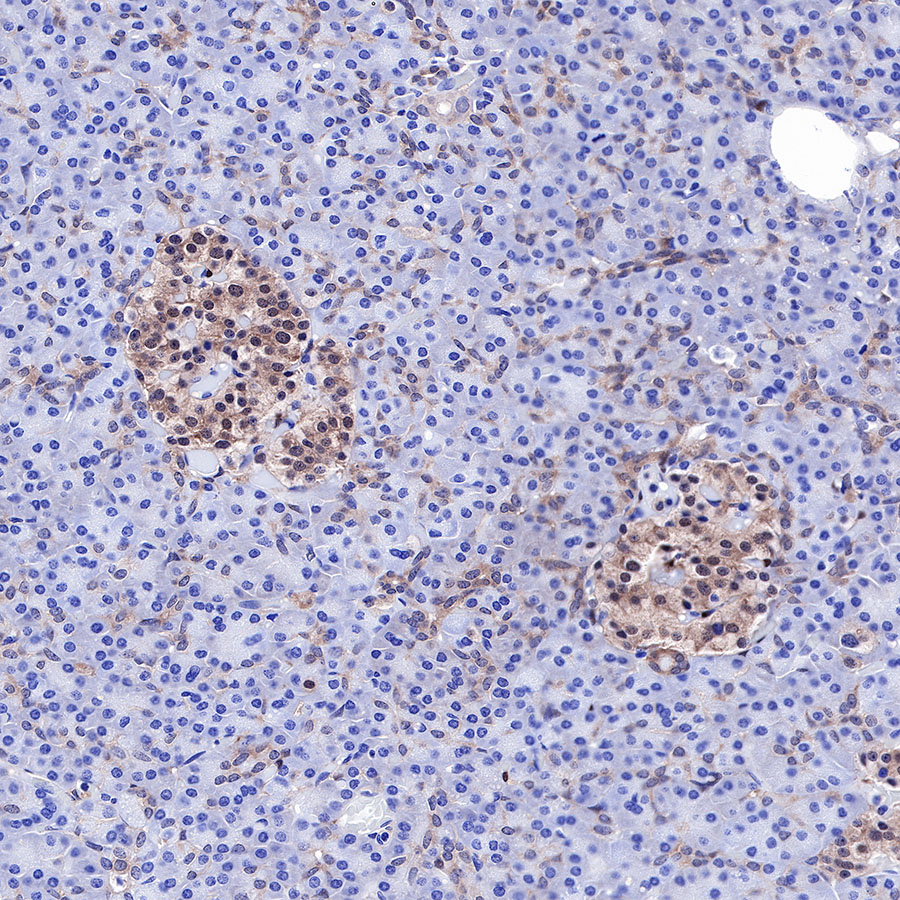
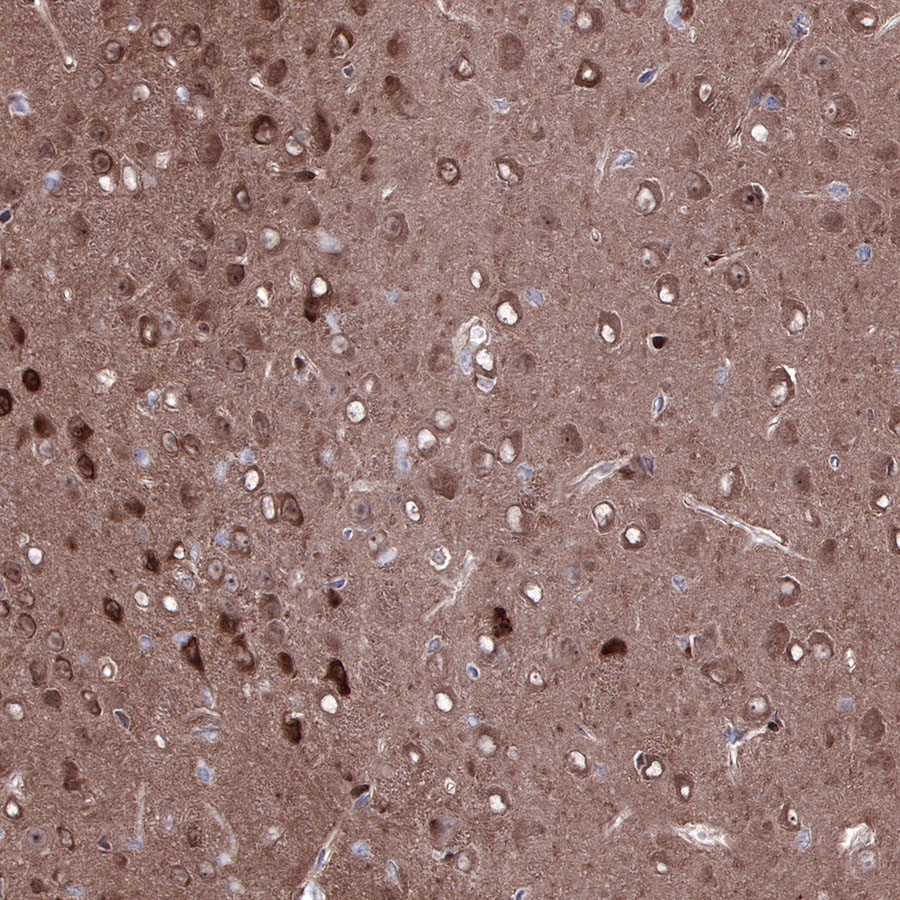
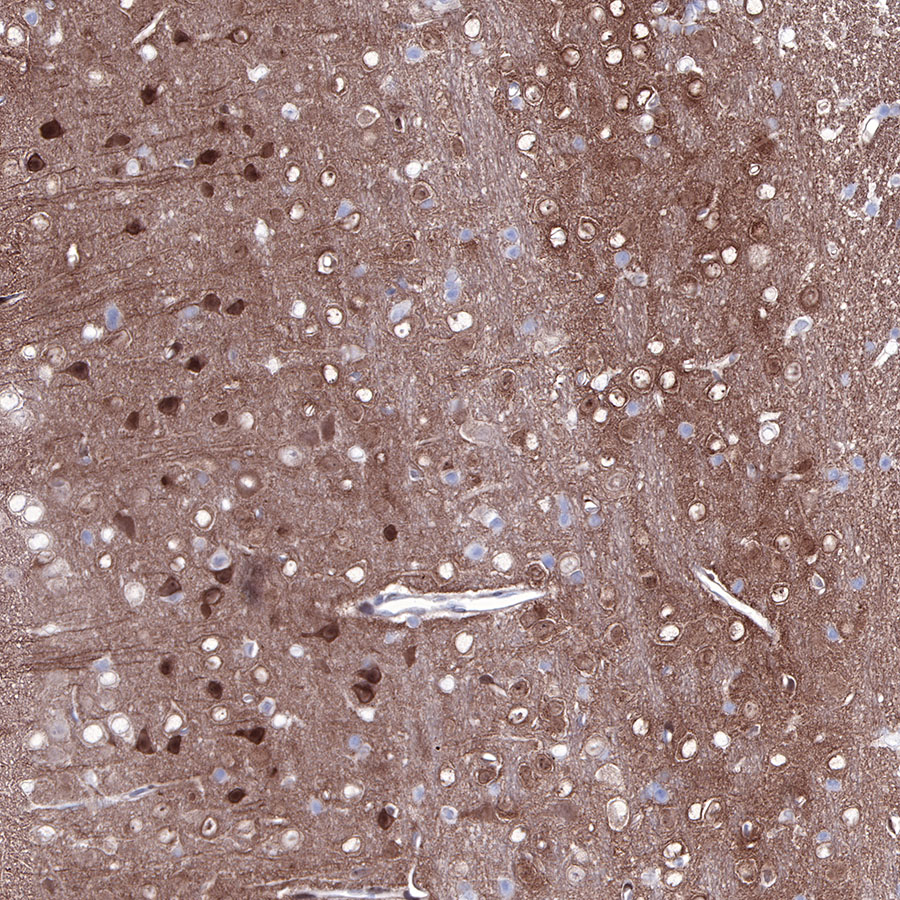
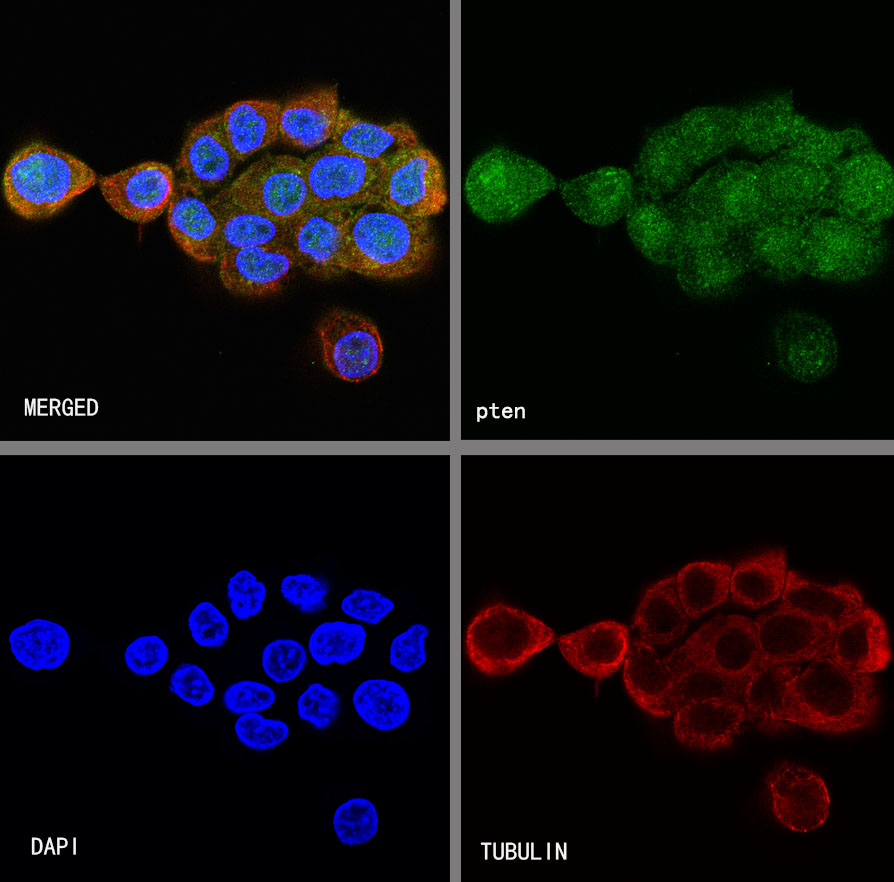
WB, IHC-P, ICC, ICFCM |
| Reactivity |
Hu, Ms, Rt |
| Purification |
Protein A |
| Concentration |
0.5 mg/ml |
| Physical Appearance |
Liquid |
| Storage Buffer |
PBS, 40% Glycerol, 0.05%BSA, 0.03% Proclin 300 |
| Stability & Storage |
12 months from date of receipt / reconstitution, -20 °C as supplied |
Dilution
| application |
dilution |
species |
| IHC-P |
1:500-1:1000 |
Hu, Ms, Rt |
| WB |
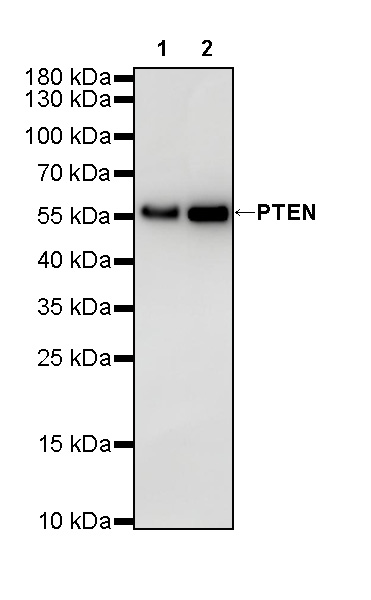
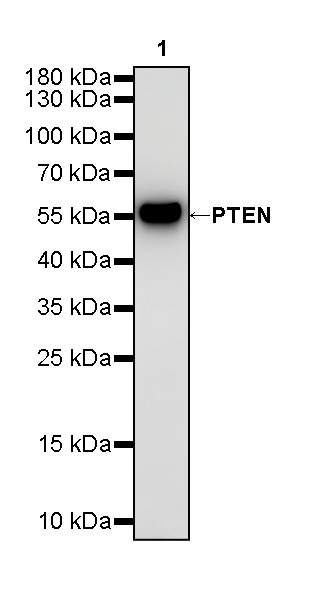
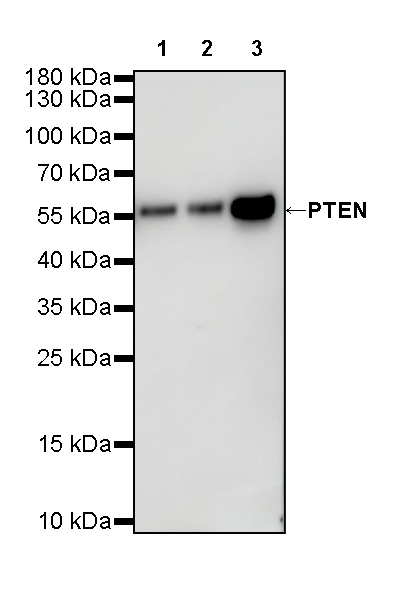
1:10000 |
Hu, Ms, Rt |
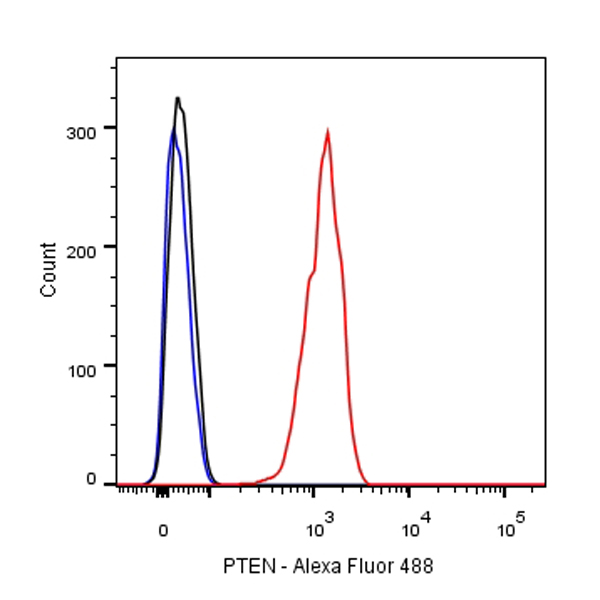
| ICFCM |
1:500 |
Hu |
| ICC |
1:500 |
Hu |
Background
PTEN is a dual-specificity phosphatase at two levels. First, PTEN has been shown to dephosphorylate protein substrates on serine/threonine and tyrosine residues, thus acting as a dual-specificity protein phosphatase. One example is the tyrosine dephosphorylation of focal adhesion kinase (FAK) to inhibit cell spreading. Second, PTEN also dephosphorylates phosphatidylinositol 3,4,5-trisphosphate (PIP3) to phosphatidylinositol 4,5-bisphosphate (PIP2) — hence, PTEN is also a dual-specificity phosphatase in the sense that it dephosphorylates lipid substrates in addition to protein substrates.