SLP-76 Recombinant Rabbit mAb (SDT-3472-13)
SLP-76 Recombinant Rabbit mAb (SDT-3472-13)

Product Details
Product Details
Product Specification
| Host | Rabbit |
| Antigen | SLP-76 |
| Synonyms | Lymphocyte cytosolic protein 2; SH2 domain-containing leukocyte protein of 76 kDa; SLP-76 tyrosine phosphoprotein (SLP76); LCP2 |
| Immunogen | Recombinant Protein |
| Location | Cytoplasm |
| Accession | Q13094 |
| Clone Number | SDT-3472-13 |
| Antibody Type | Recombinant mAb |
| Isotype | IgG |
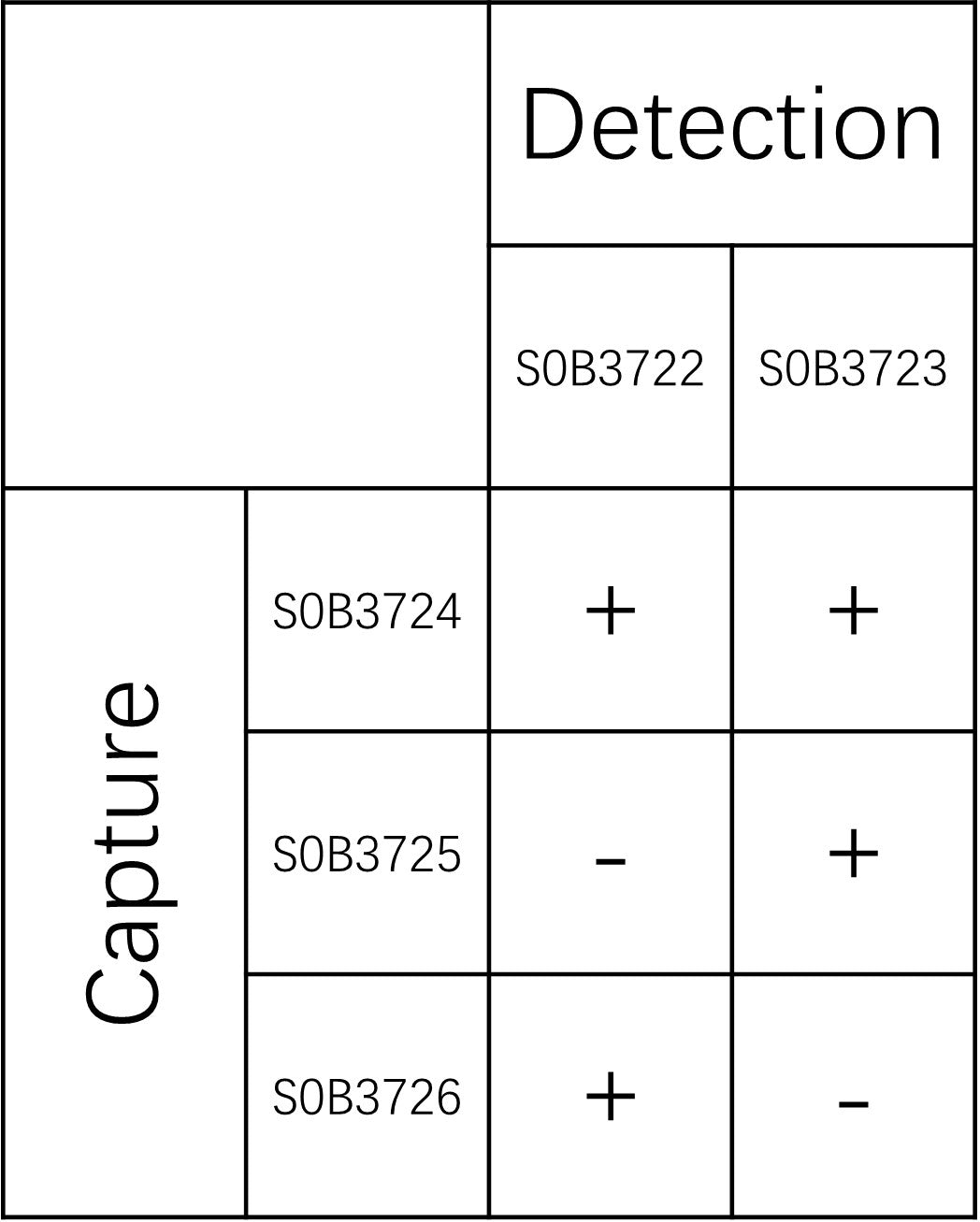
| Application | Sandwich ELISA |
| Purification | Protein A |
| Concentration | 2 mg/ml |
| Conjugation | Unconjugated |
| Physical Appearance | Liquid |
| Storage Buffer | PBS pH7.4, 0.03% Proclin 300 |
| Stability & Storage | 12 months from date of receipt, 2 to 8 °C as supplied |
Background
SLP-76 (SH2 domain-containing leukocyte protein of 76 kDa) is a critical adaptor protein in the T cell receptor (TCR) signaling pathway, expressed predominantly in hematopoietic cells, especially T cells, natural killer cells, platelets, and mast cells. Structurally, it contains several functional modules: the N-terminal region has three tandem tyrosine-based motifs responsible for recruiting SH2 domain-containing downstream effector proteins such as Vav, Nck, and Itk; the central region contains a proline-rich motif that binds adaptor proteins like Gads to mediate interaction with LAT (linker for activation of T cells); and the C-terminal SH2 domain participates in feedback regulation of the signal complex. Upon TCR activation, SLP-76 is phosphorylated by ZAP-70 kinase, subsequently recruiting and activating downstream effectors including PLCγ1, Vav, PI3K, and Grb2, thereby initiating multiple critical signaling cascades such as calcium mobilization, the Ras-MAPK pathway, cytoskeletal rearrangement, and integrin activation, ultimately regulating T cell proliferation, differentiation, cytokine production, and immunological synapse formation. SLP-76 is indispensable for early T cell development, thymocyte positive selection, regulatory T cell function, and effector T cell responses; its deficiency leads to T cell developmental arrest, immunodeficiency, and severe autoimmunity. In platelets, SLP-76 participates in collagen-induced platelet activation and thrombus formation via the GPVI receptor. Furthermore, aberrant expression or mutations of SLP-76 are associated with immune dysregulation disorders (e.g., systemic lupus erythematosus), T-cell acute lymphoblastic leukemia, and certain primary immunodeficiencies. Owing to its nature as a central adaptor protein, SLP-76 is considered a potential regulatory node for T cell-mediated immunotherapy, holding significant research value in tumor immunity, autoimmune diseases, and antiviral immunity.
Picture
Picture
Paired Recommendations