SHBG Recombinant Rabbit mAb (SDT-1615-256)
SHBG Recombinant Rabbit mAb (SDT-1615-256)

Product Details
Product Details
Product Specification
| Host | Rabbit |
| Antigen | SHBG |
| Synonyms | Sex hormone-binding globulin; Sex steroid-binding protein (SBP); Testis-specific androgen-binding protein (ABP); Testosterone-estradiol-binding globulin (TeBG); Testosterone-estrogen-binding globulin; SHBG |
| Immunogen | Recombinant Protein |
| Clone Number | SDT-1615-256 |
| Antibody Type | Recombinant mAb |
| Isotype | IgG |
| Application | CLIA, Sandwich ELISA |
| Reactivity | Hu |
| Cross Reactivity | No cross-reactivity against transferrin and Human IgG |
| Purification | Protein A |
| Concentration | 2 mg/ml |
| Purity | >95% by HPLC |
| Conjugation | Unconjugated |
| Physical Appearance | Liquid |
| Storage Buffer | PBS pH7.4, 0.03% Proclin 300 |
| Stability & Storage | 12 months from date of receipt, 2 to 8 °C as supplied |
Background
Sex hormone-binding globulin (SHBG) is a 90 kDa homodimeric β-globulin produced primarily by hepatocytes but also by Sertoli cells, placenta and brain, whose single 373-residue polypeptide chain folds into a tandem steroid-binding/β-barrel domain that, after dimerization, creates two symmetrical hydrophobic pockets with high nanomolar affinity for 17β-hydroxysteroids such as testosterone and 17β-estradiol, thereby regulating the equilibrium between protein-bound (biologically inactive) and free (bioactive) sex steroids in blood, and whose hepatic synthesis is up-regulated by estrogens, thyroid hormones and anticonvulsants and down-regulated by androgens, progestins, insulin, obesity and inflammatory cytokines, so that circulating SHBG levels serve as a sensitive inverse index of insulin resistance and metabolic syndrome risk, while genetic polymorphisms and epigenetic modifications of the SHBG gene influence hormone-dependent phenotypes ranging from pubertal timing and bone density to polycystic ovary syndrome, androgen-deprivation therapy responses and hormone-sensitive cancers, making SHBG both a clinically useful biomarker and a potential therapeutic target for metabolic and endocrine disorders.
Picture
Picture
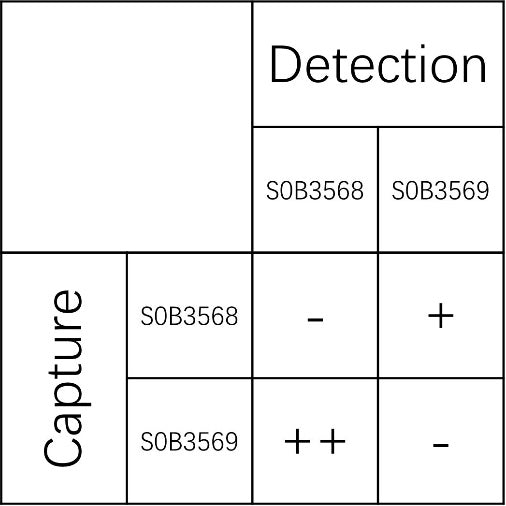
Paired Recommendations