Measured by its ability to induce Topflash reporter activity in HEK293T human embryonic kidney cells. The typical EC50 is 18-28ng/ml in the presence of 5ng/ml Recombinant Human Wnt Surrogate (UA040250).
R-spondin-1 Protein, Mouse
R-spondin-1 Protein, Mouse
Price:
Regular price
$115 USD
Regular price
Sale price
$115 USD
Unit price
per
For shipping services or bulk orders, you may request a quotation.
Secure checkout with

View full details
Product Details
Product Details
Product Specification
| Species | Mouse |
| Synonyms | R-spondin-1, Cysteine-rich and single thrombospondin domain-containing protein 3 (Cristin-3; mCristin-3), Roof plate-specific spondin-1,RSPO1 |
| Accession | Q9Z132 |
| Amino Acid Sequence | Ser21-Gln265 |
| Expression System | HEK293 |
| Molecular Weight | 38-40 kDa (Reducing) |
| Purity | >95% by Bis-Tris PAGE & HPLC. |
| Endotoxin | <0.1EU/μg |
| Conjugation | Unconjugated |
| Tag | No Tag |
| Physical Appearance | Lyophilized Powder |
| Storage Buffer | PBS, pH7.4 |
| Reconstitution | Reconstitute at 0.1-1 mg/ml according to the size in ultrapure water after rapid centrifugation. |
| Stability & Storage | ·12 months from date of receipt, lyophilized powder stored at -20 to -80℃. |
| Reference | Nature. 2011 Jan 20;469(7330):415-8. |
Background
The R-spondin (RSPO) family comprises four secreted glycoproteins (RSPO1-4) that function as critical modulators of canonical Wnt/β-catenin signaling. These proteins are characterized by two N-terminal furin-like cysteine-rich domains and a C-terminal thrombospondin type 1 repeat (TSR-1) motif. Mouse models have been instrumental in elucidating RSPO functions, revealing their essential roles in developmental morphogenesis, adult stem cell maintenance, and disease pathogenesis through interactions with LGR4/5/6 receptors and regulation of Wnt receptor availability.
Industrially, recombinant mouse RSPO proteins have become indispensable components in organoid culture systems for drug screening and personalized medicine. Pharmaceutical companies utilize RSPO-based platforms to generate patient-derived intestinal, gastric, hepatic, mammary, and prostate organoids for high-throughput drug testing. Therapeutically, RSPO1 shows promise for treating inflammatory bowel disease, chemotherapy-induced mucositis, and short bowel syndrome by promoting intestinal regeneration. Conversely, anti-RSPO antibodies are under development as cancer therapeutics for RSPO-fusion-positive tumors, representing a targeted approach in precision oncology.
Picture
Picture
Bioactivity
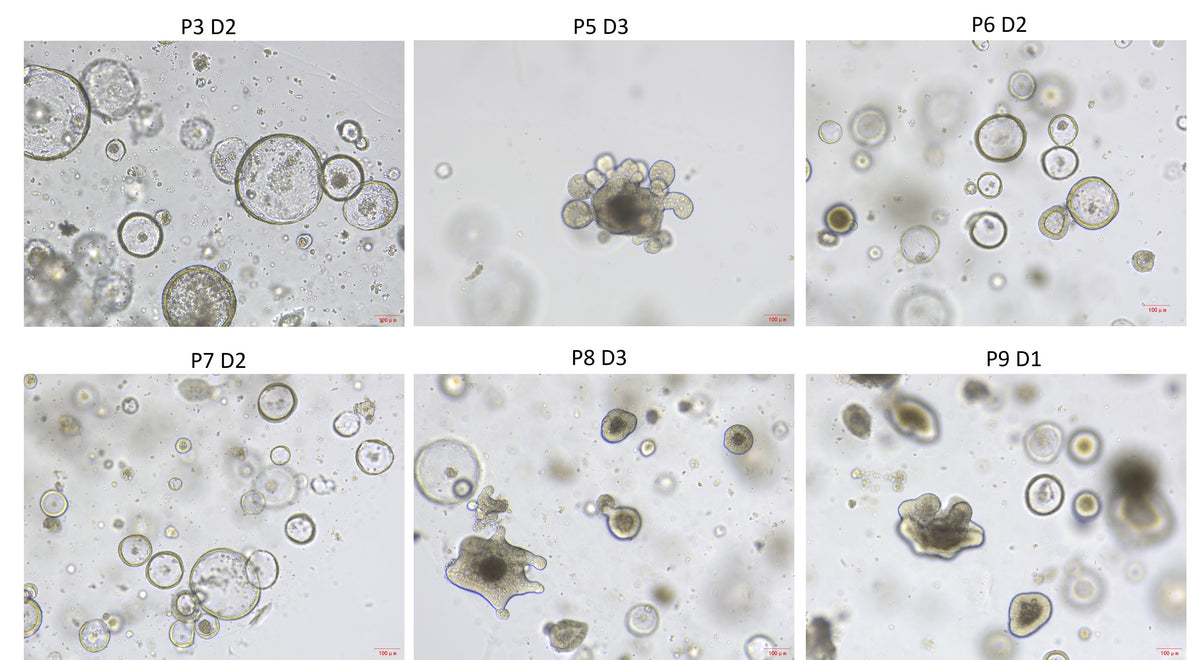
Mouse bile duct organoids were cultured with R-spondin-1(UA040525), Noggin(UA040404), EGF(UA040126), FGF-10(UA040076), HGF(UA040194) and Wnt Surrogate(UA040250).
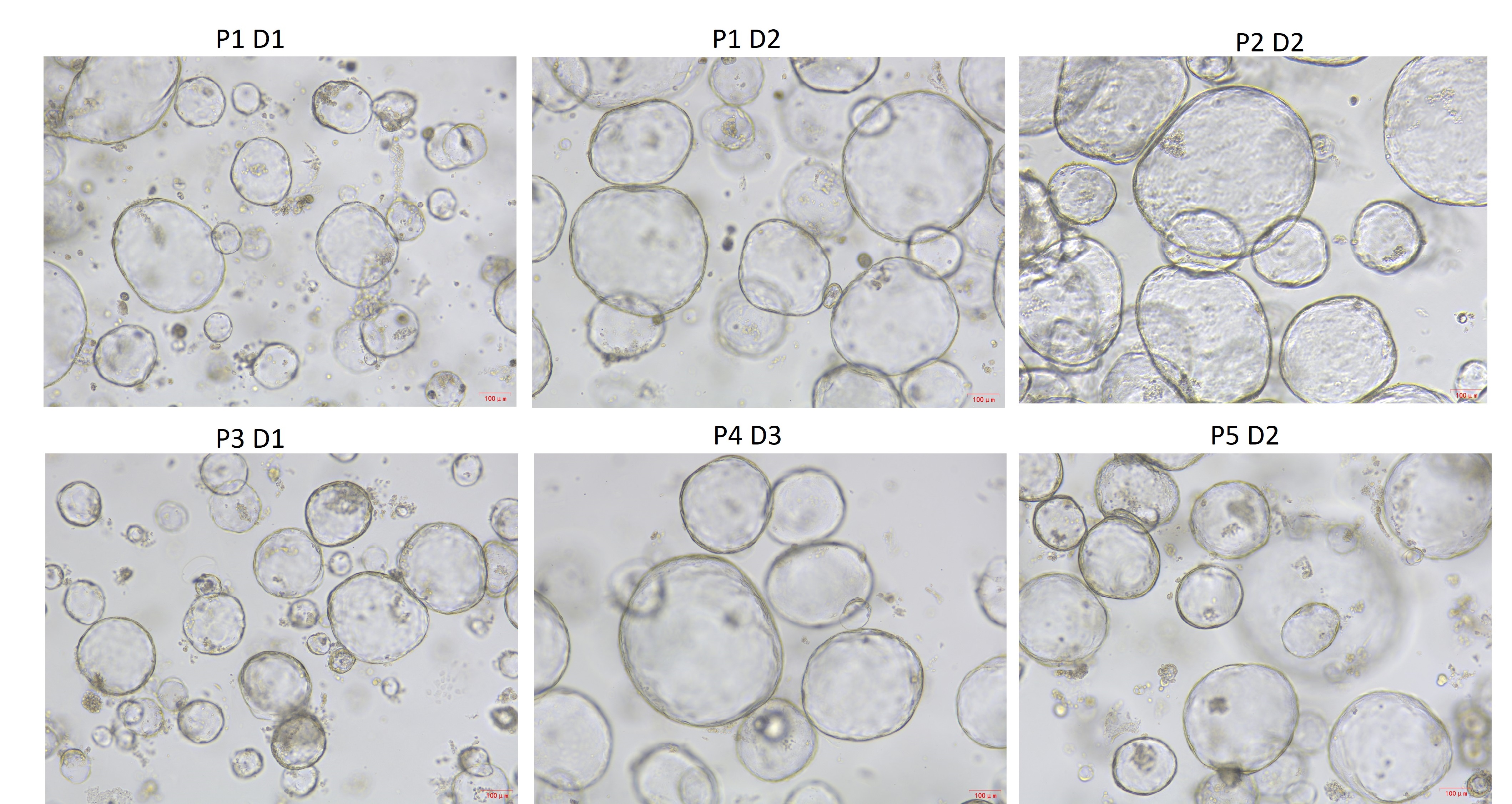
Mouse lung organoids were cultured with R-spondin-1(UA040525), Noggin(UA040404), EGF(UA040126), FGF-10(UA040076), HGF(UA040194), Wnt Surrogate(UA040250) and KGF/FGF-7(UA040110)
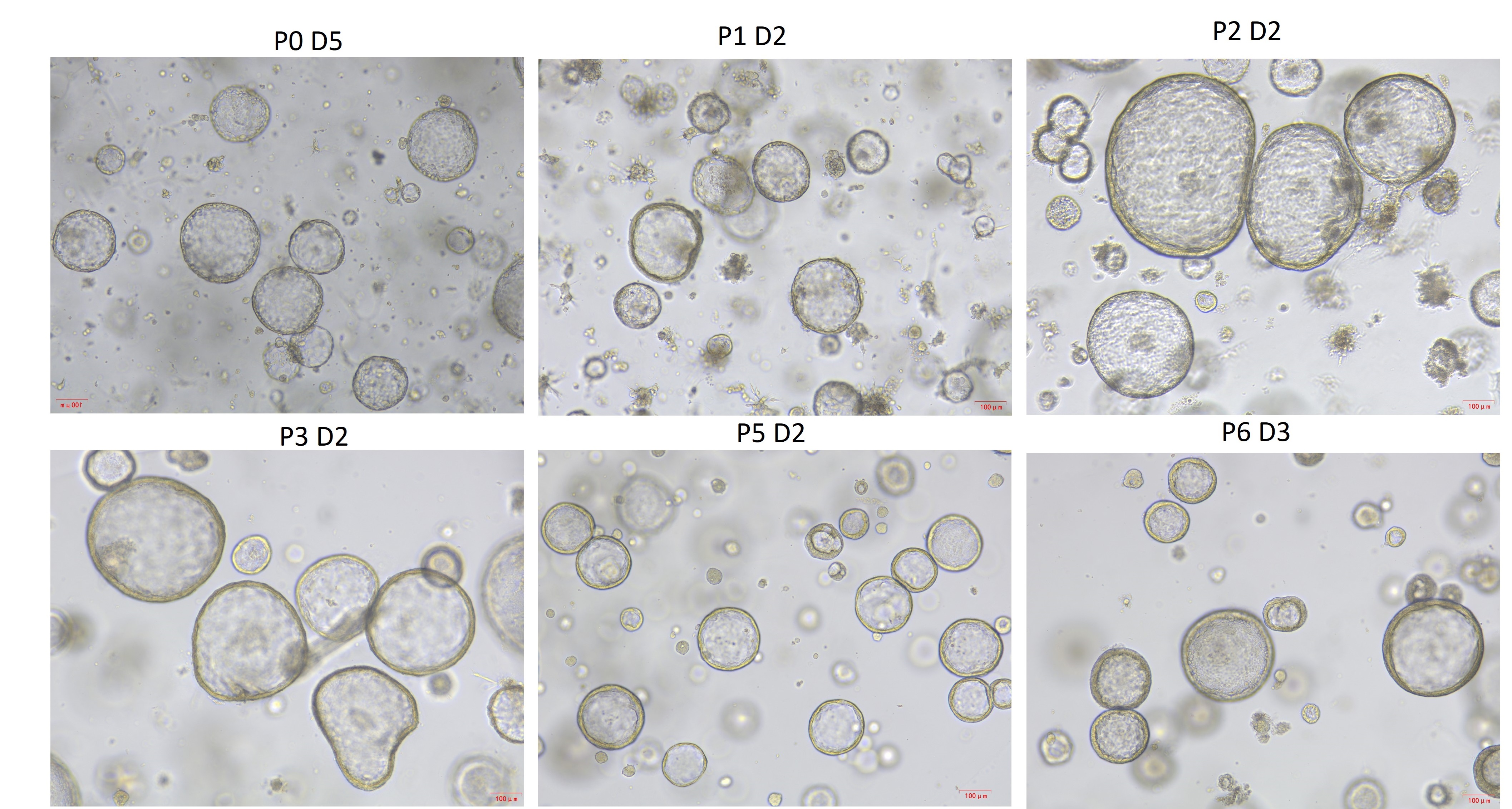
Mouse Gastric organoids were cultured with R-spondin-1(UA040525), Noggin(UA040404), EGF(UA040126), Wnt Surrogate(UA040250), KGF/FGF-7(UA040110) and FGF-basic(UA040339)
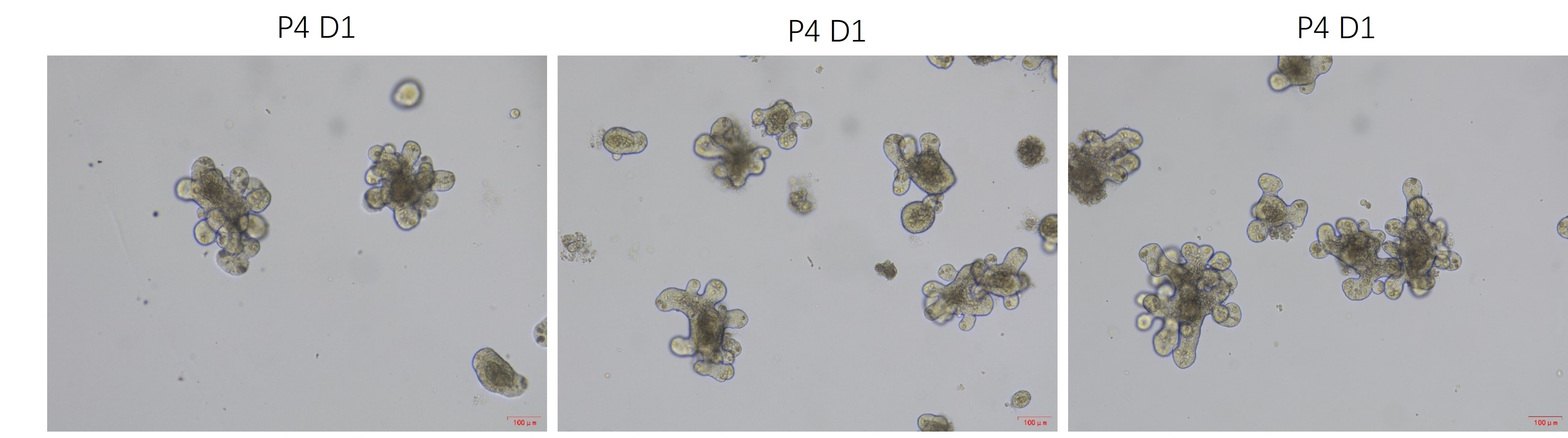
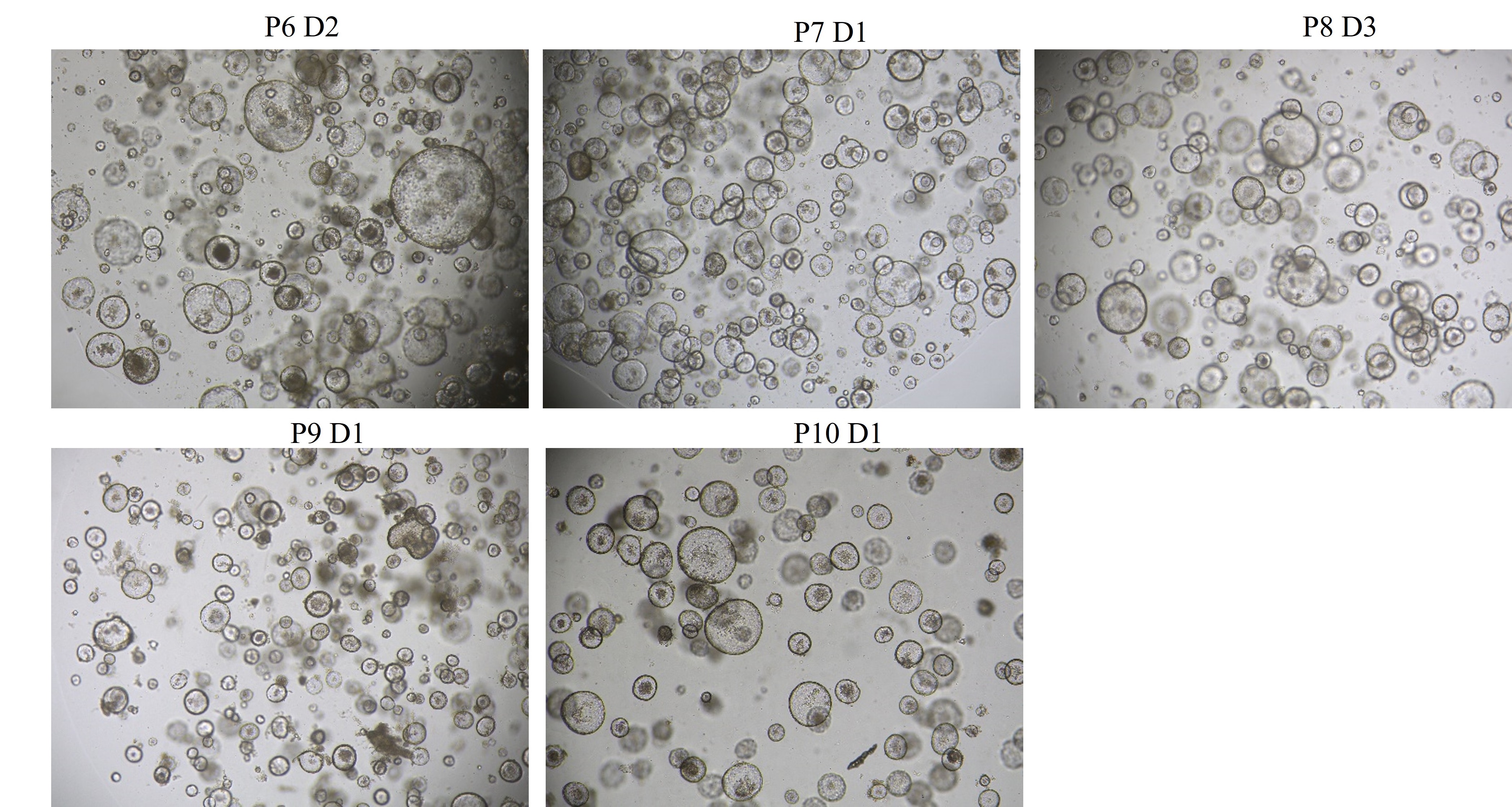
Mouse small intestinal organoids were cultured with R-spondin-1(UA040525), Noggin(UA040404), EGF(UA040126), Wnt Surrogate(UA040250).
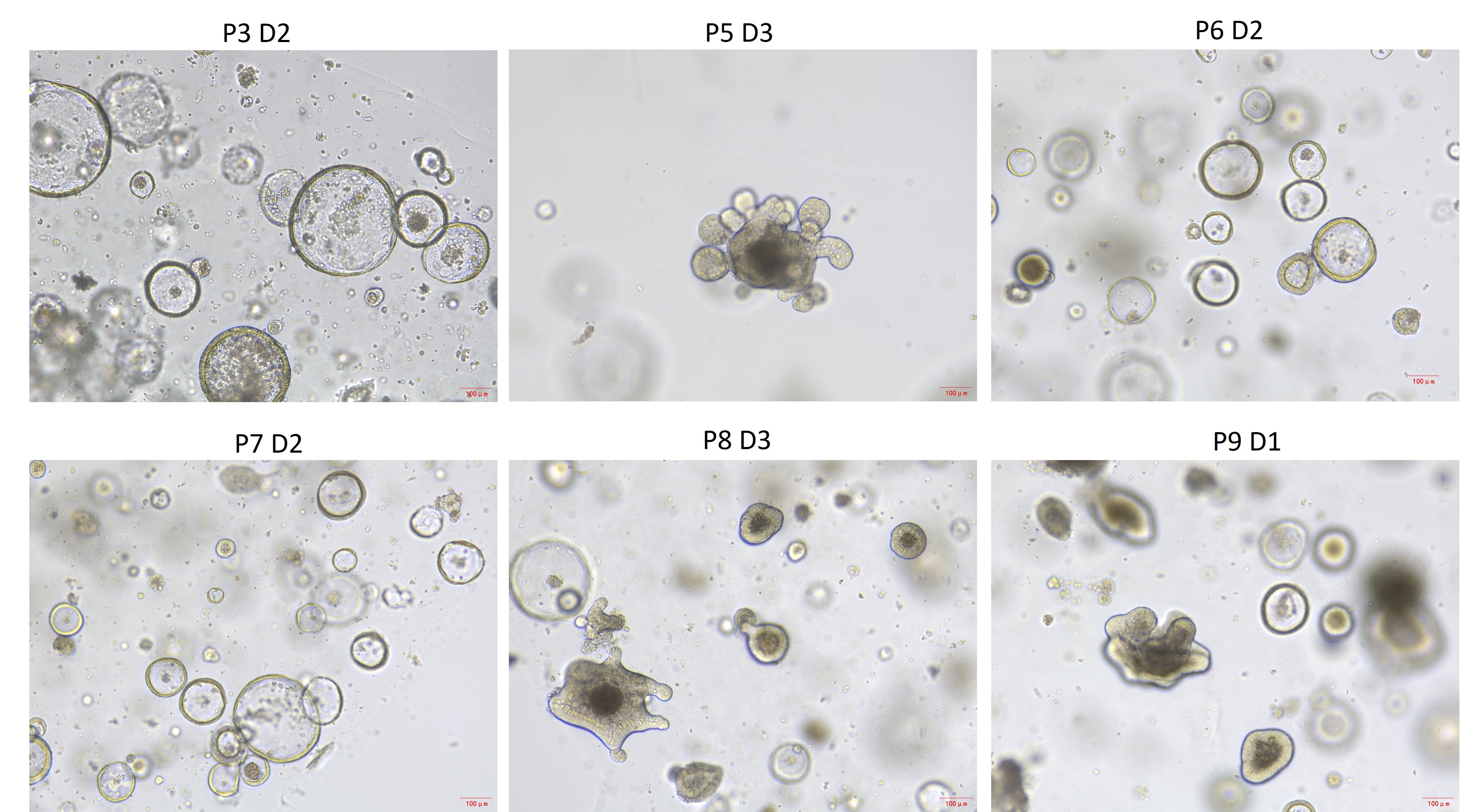
Mouse Colon organoids were cultured with R-spondin-1(UA040525), Noggin(UA040404), EGF(UA040126), Wnt Surrogate(UA040250).
SDS-PAGE
2μg (R: reducing condition, N: non-reducing condition).
RP-HPLC
>95% as determined by RP-HPLC.