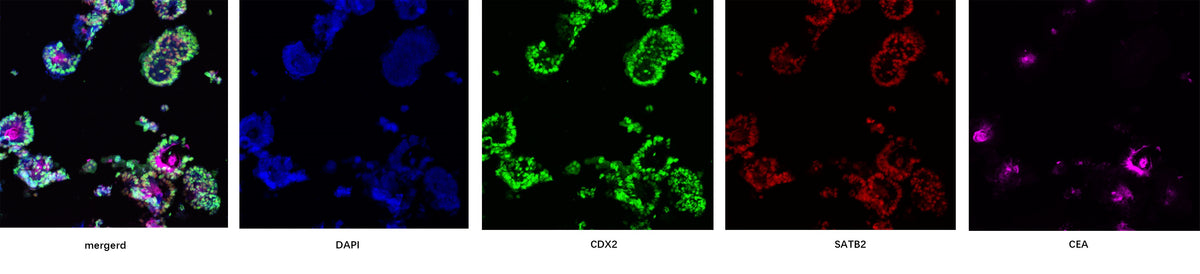
Measured by its ability to inhibit the activation of Human BMP (Luc) HEK293T Reporter cell by Human BMP-2 Protein. The EC50 for this effect is 59 ng/ml.
Noggin Protein, Human
Noggin Protein, Human
Price:
Regular price
$120 USD
Regular price
Sale price
$120 USD
Unit price
per
For shipping services or bulk orders, you may request a quotation.
Secure checkout with

View full details
Product Details
Product Details
Product Specification
| Species | Human |
| Synonyms | Noggin, SYM1, SYNS1, NOG |
| Accession | Q13253 |
| Amino Acid Sequence | Gln28-Cys232 |
| Expression System | CHO |
| Molecular Weight | 26-35 kDa (Reducing) |
| Purity | >95% by SDS-PAGE. |
| Endotoxin | <0.1EU/μg |
| Conjugation | Unconjugated |
| Tag | No Tag |
| Physical Appearance | Lyophilized powder |
| Storage Buffer | PBS, 5% Trehalose, pH7.4 |
| Reconstitution | Reconstitute at 0.1-1 mg/ml according to the size in ultrapure water after rapid centrifugation. |
| Stability & Storage | ·12 months from date of receipt, lyophilized powder stored at -20 to -80℃. |
| Reference | Cell. 1996 Aug 23;86(4):599-606. |
Background
Human Noggin is a secreted homodimeric glycoprotein encoded by the NOG gene (17q22). Originally identified in Xenopus as the dorsalizing factor from Spemann’s organizer, it is a pivotal antagonist of bone morphogenetic proteins (BMPs). Noggin is essential for embryonic axis formation, neural induction, somite patterning, and joint morphogenesis; loss-of-function mutations in humans cause proximal symphalangism (SYM1) and multiple synostoses syndrome.
Noggin binds BMP-2, BMP-4, and BMP-7 with high affinity, physically blocking their interaction with type I and type II serine/threonine kinase receptors. This prevents receptor oligomerization and downstream SMAD1/5/8 phosphorylation, thereby inhibiting BMP-driven transcriptional programs. Its cystine-knot structure confers thermal stability and potent antagonistic activity, making recombinant human Noggin a standard reagent in stem-cell and developmental biology.
Picture
Picture
Bioactivity
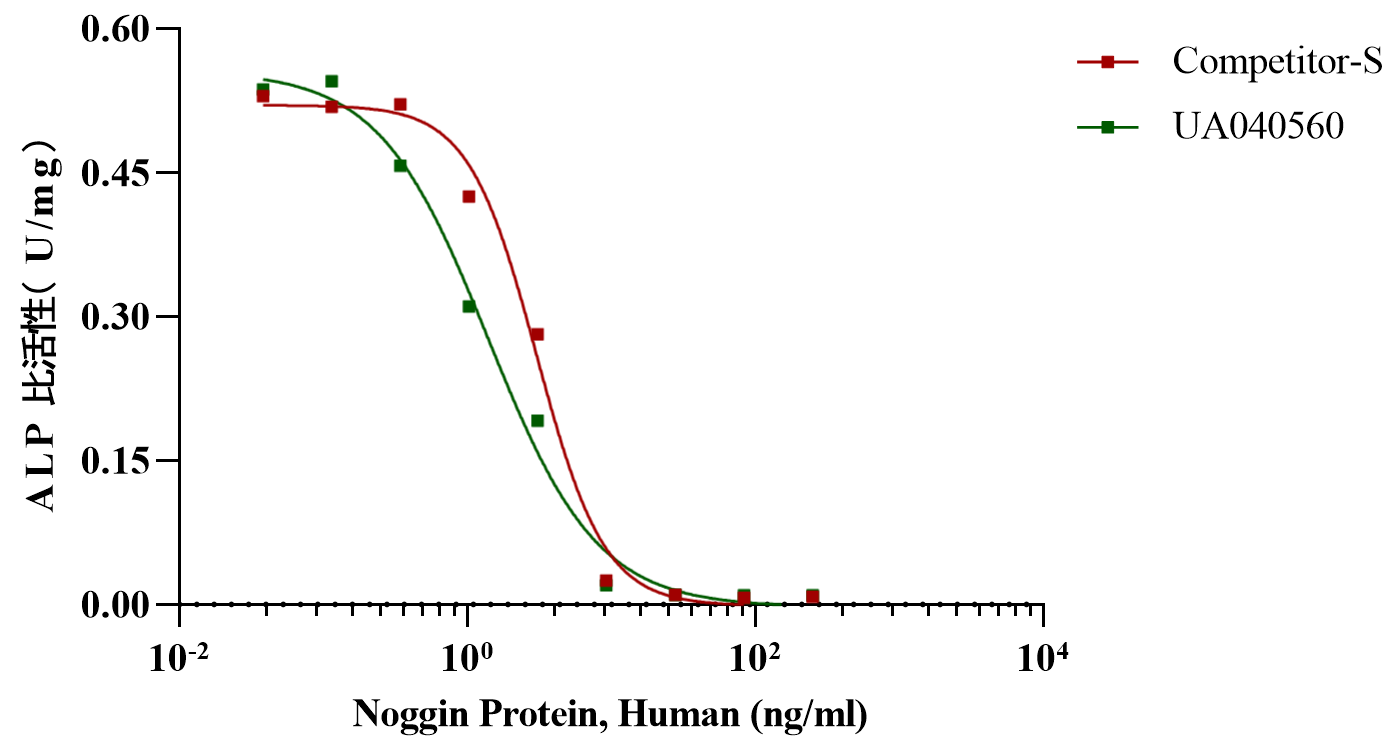
Determined by its ability to inhibit 5.0 ng/ml of BMP-4 induced alkaline phosphatase production by ATDC-5 chondrogenic cells. The expected IC50 for this effect is 0.89-1.8 ng/ml of Noggin.
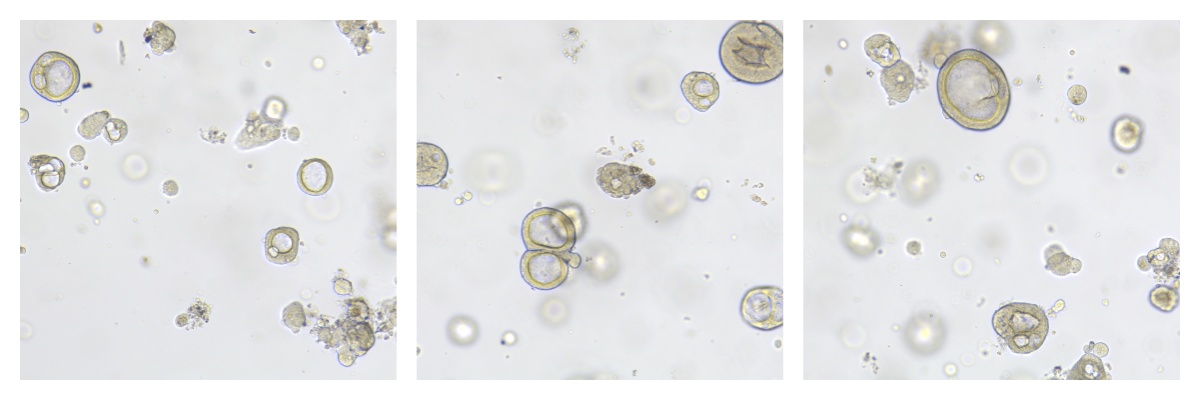
Noggin Protein, Human (Cat#UA040560) maintains lung cancer organoid growth well during multiple passages and long-term culture processes.
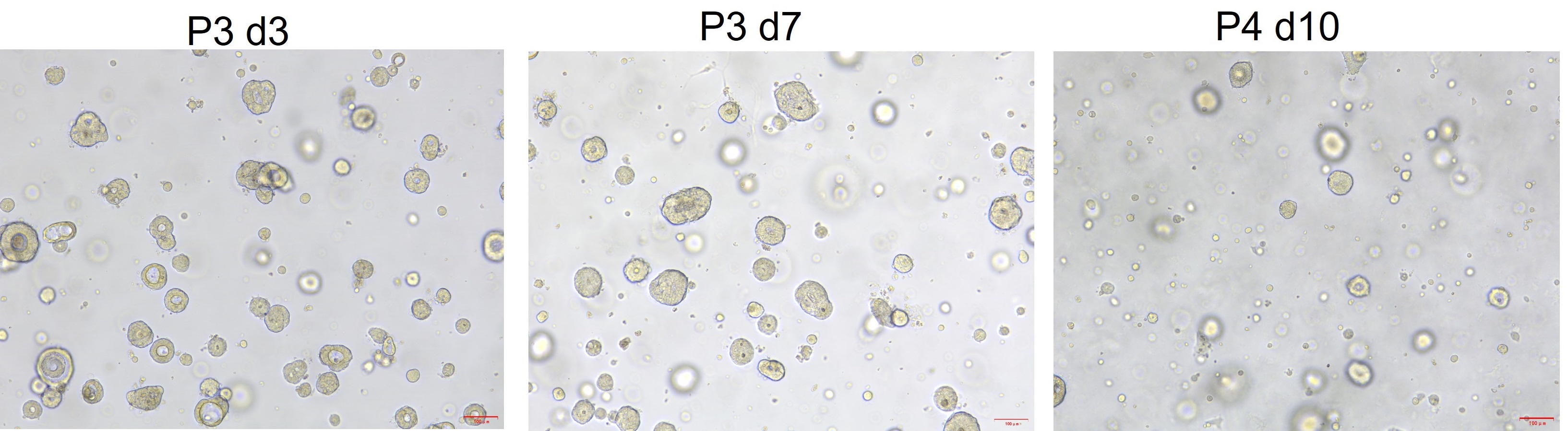
Noggin Protein, Human(Cat#UA040560) maintains colorectal cancer organoid growth well during multiple passages and long-term culture processes.
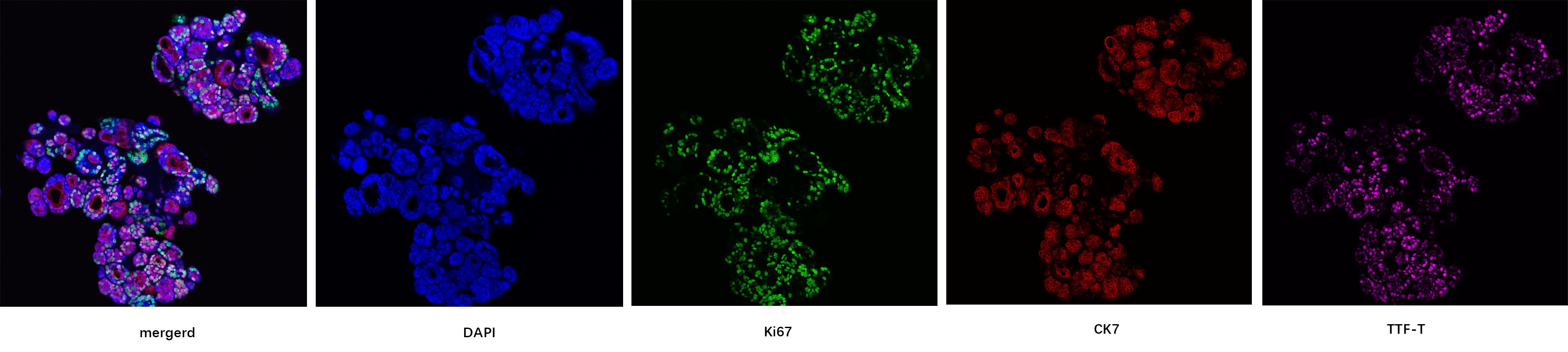
Immunofluorescence staining showed co‑expression of TTF1 (purple), Ki67 (green), and CK7 (red) in human lung cancer organoids, confirming their lung epithelial origin and proliferative activity.
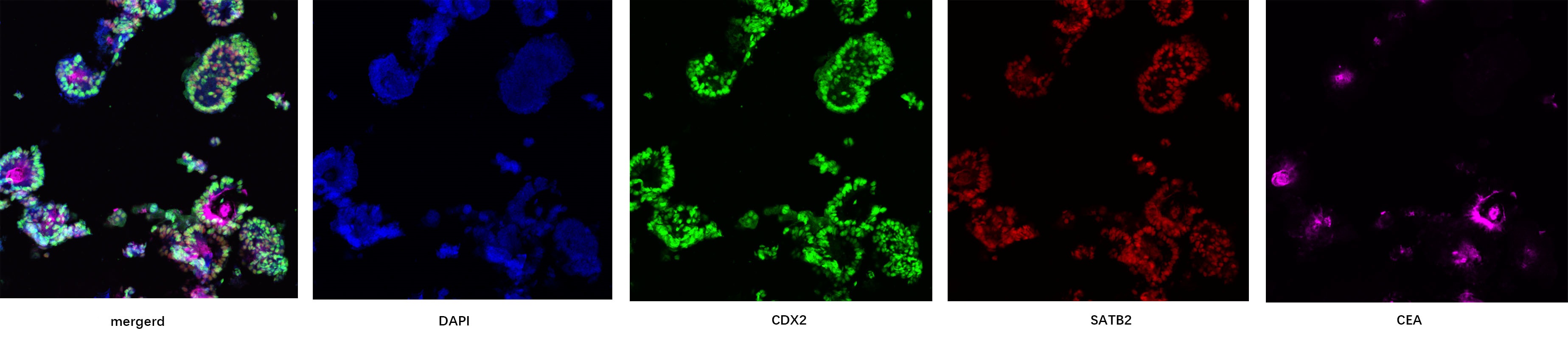
Immunofluorescence staining showed co‑expression of CEA (purple), CDX2 (green), and SATB2 (red) in human colorectal cancer organoids, confirming their colorectal epithelial phenotype.
SDS-PAGE
2μg (R: reducing condition, N: non-reducing condition).