Neurogranin Recombinant Rabbit mAb (SDT-3231-69)
Neurogranin Recombinant Rabbit mAb (SDT-3231-69)

Product Details
Product Details
Product Specification
| Host | Rabbit |
| Antigen | Neurogranin |
| Synonyms | Neurogranin; NRGN; Ng; RC3 |
| Immunogen | Recombinant Protein |
| Accession | Q92686 |
| Clone Number | SDT-3231-69 |
| Antibody Type | Recombinant mAb |
| Isotype | IgG |
| Application | Sandwich ELISA |
| Reactivity | Hu, Ms, Rt |
| Cross Reactivity | No cross-reactivity against NFL |
| Purification | Protein A |
| Concentration | 2 mg/ml |
| Purity | >95% by HPLC |
| Conjugation | Unconjugated |
| Physical Appearance | Liquid |
| Storage Buffer | PBS pH7.4, 0.09% sodium azide |
| Stability & Storage | 12 months from date of receipt, 2 to 8 °C as supplied |
Background
Neurogranin (NRGN) is a neuron-specific postsynaptic protein governing synaptic plasticity, memory and calcium signal transduction, whose abnormal release into cerebrospinal fluid (CSF) and peripheral blood mirrors early synaptic damage—an irreversible hallmark of Alzheimer’s disease (AD), mild cognitive impairment (MCI), traumatic brain injury (TBI) and schizophrenia. Matched capture-detection antibody pairs enable sandwich immunoassays (ELISA, chemiluminescence) for ultrasensitive, quantitative NRGN measurement, forming the core of translational and clinical synaptic biomarker testing.
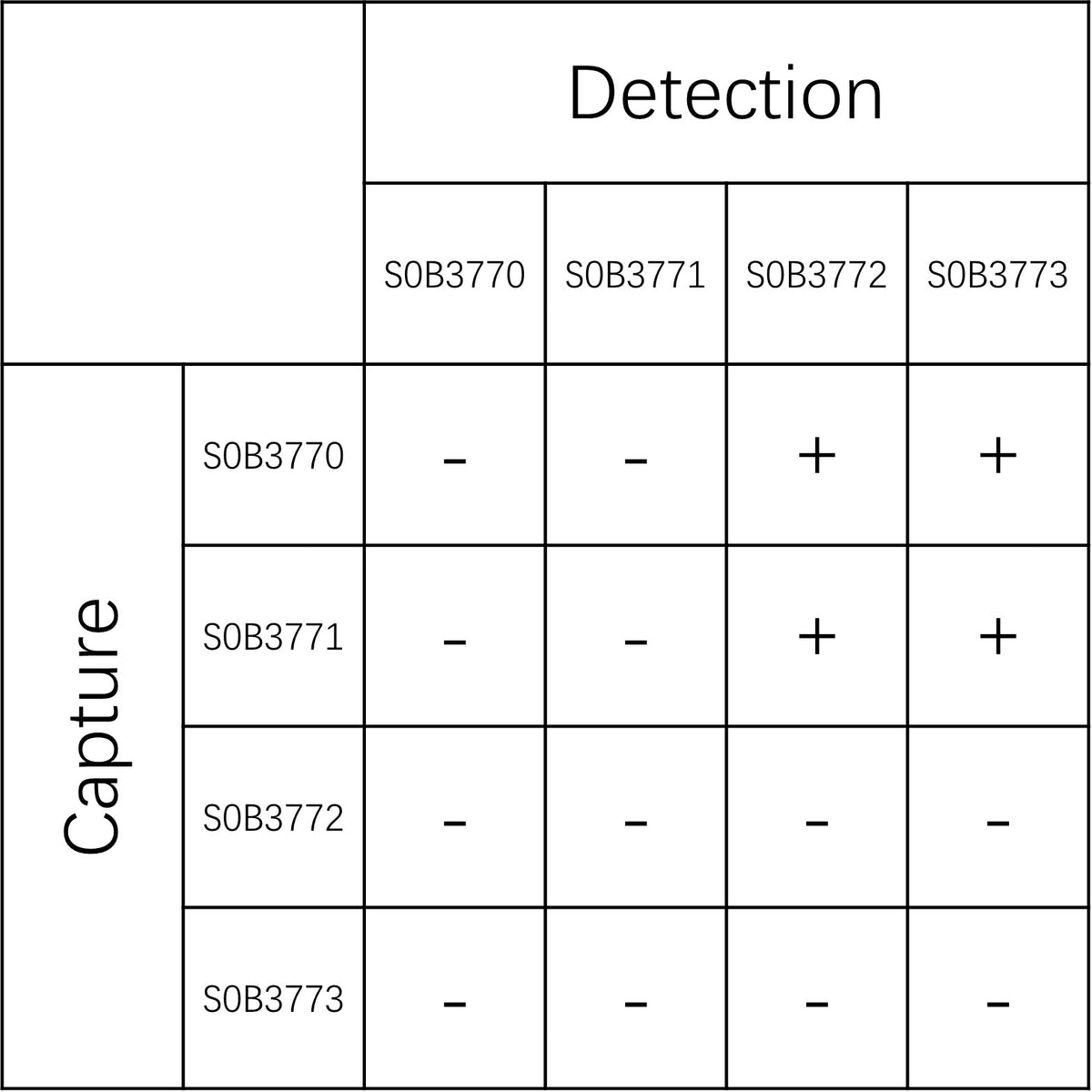
Technically, well-validated antibody pairs target distinct NRGN epitopes to eliminate cross-reactivity, achieving pg/mL-level sensitivity compatible with tiny CSF, plasma and exosome samples, while ensuring stable inter-batch reproducibility critical for longitudinal monitoring. Clinically, paired antibody assays quantify elevated CSF NRGN in preclinical AD and MCI, with high AUC values distinguishing neurodegenerative patients from healthy controls; CSF NRGN concentrations strongly correlate with cognitive decline and core AD markers (Aβ, tau), supporting early differential diagnosis before overt dementia emerges. Peripheral NRGN detected via antibody pairs also serves as a non-invasive TBI prognostic marker reflecting neuronal injury severity and recovery trajectory.
For drug development, paired antibody NRGN detection acts as a target engagement readout in clinical trials, tracking synaptic protection from disease-modifying therapies. Collectively, matched antibody pairs unlock NRGN’s full biomarker potential, bridging basic neuroscience research and minimally invasive early diagnosis of neurocognitive disorders.
Picture
Picture
Paired Recommendations