Mouse C4 Recombinant mAb (SDT-2628-241)
Mouse C4 Recombinant mAb (SDT-2628-241)

Product Details
Product Details
Product Specification
| Host | Rabbit |
| Antigen | Mouse C4 |
| Synonyms | Complement C4-B; C4; C4b |
| Immunogen | Recombinant Protein |
| Accession | P01029 |
| Clone Number | SDT-2628-241 |
| Antibody Type | Recombinant mAb |
| Isotype | IgG |
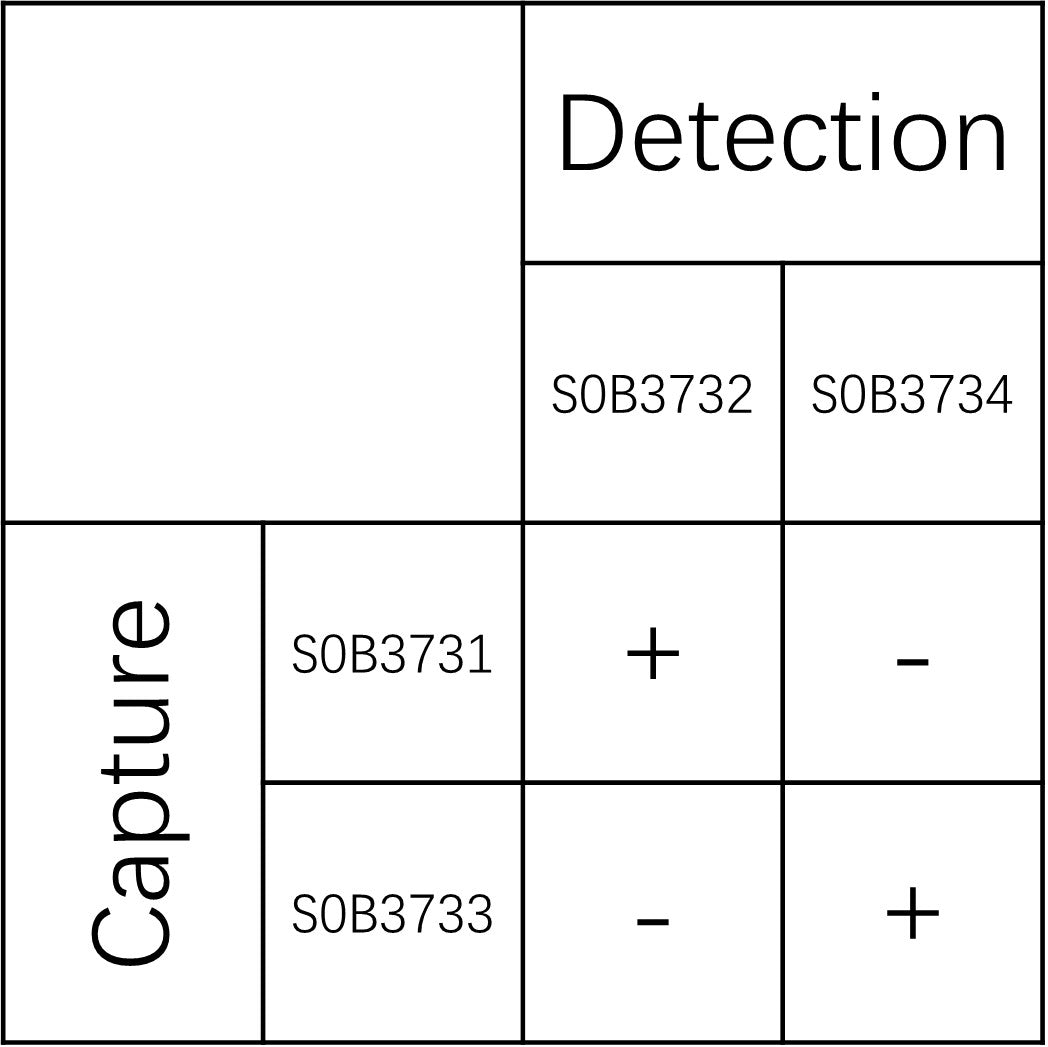
| Application | Sandwich ELISA |
| Reactivity | Ms |
| Cross Reactivity | No cross reactivity against Mouse C5a |
| Purification | Protein A |
| Concentration | 2 mg/ml |
| Conjugation | Unconjugated |
| Physical Appearance | Liquid |
| Storage Buffer | PBS pH7.4, 0.03% Proclin 300 |
| Stability & Storage | 12 months from date of receipt, 2 to 8 °C as supplied |
Background
Mouse complement component 4 (C4) is a critical glycoprotein within the murine immune system that serves as a central element of the classical and lectin pathways of the complement cascade, primarily synthesized in the liver as a single-chain precursor that is subsequently cleaved into alpha, beta, and gamma chains upon activation. Functionally, C4 plays an indispensable role in innate immunity and immune complex clearance by binding to activated C1s or MASP enzymes to form C4b, which covalently attaches to pathogen surfaces or immune complexes to facilitate opsonization, phagocytosis, and the assembly of the C3 convertase (C4b2a), thereby amplifying the downstream inflammatory response and membrane attack complex formation. In mice, the C4 locus is characterized by significant genetic polymorphism and duplication events, often resulting in multiple isoforms (such as C4A and C4B analogs) with varying hemolytic activities, making it a vital subject for studying autoimmune diseases like systemic lupus erythematosus (SLE), where C4 deficiency or dysfunction is strongly linked to impaired clearance of apoptotic cells and subsequent loss of self-tolerance.
Picture
Picture
Paired Recommendations