KIM-1 Recombinant Rabbit mAb (SDT-932-102)
KIM-1 Recombinant Rabbit mAb (SDT-932-102)

Product Details
Product Details
Product Specification
| Host | Rabbit |
| Synonyms | Kidney injury molecule 1 (KIM-1), T-cell immunoglobulin and mucin domain-containing protein 1 (TIMD-1), T-cell immunoglobulin mucin receptor 1 (TIM; TIM-1), T-cell membrane protein 1 |
| Immunogen | Recombinant Protein |
| Accession | Q96D42 |
| Clone Number | SDT-932-102 |
| Antibody Type | Recombinant mAb |
| Isotype | IgG |
| Application | Lateral Flow, Sandwich ELISA |
| Reactivity | Hu |
| Cross Reactivity | Does not recognize TIM-3, TIM-4 |
| Purification | Protein A |
| Concentration | 2 mg/ml |
| Purity | >95% by HPLC |
| Conjugation | Unconjugated |
| Physical Appearance | Liquid |
| Storage Buffer | PBS pH7.4, 0.03% Proclin 300 |
| Stability & Storage | 12 months from date of receipt, 2 to 8 °C as supplied |
Background
Preclinical subtractive hybridization screens identified kidney injury molecule 1 (Kim-1) as a gene that is markedly up-regulated in ischemic rat kidneys. Downstream proteomic studies have also shown KIM-1 to be one of the most highly induced proteins in the kidney after AKI in animal models. KIM-1 is a transmembrane protein that is not expressed in normal kidney but is specifically upregulated in dedifferentiated proximal tubule cells after ischemic or nephrotoxic AKI. It has been identified as a phosphatidylserine receptor that transforms epithelial cells into phagocytes by recognizing cell surface-specific epitopes expressed by apoptotic tubular epithelia. A proteolytically processed extracellular domain of KIM-1 is detectable in the urine soon after AKI. KIM-1 represents a promising biomarker for the early diagnosis of AKI and its clinical outcomes. The recent availability of a rapid urine dipstick test for KIM-1 will facilitate its further evaluation in preclinical and clinical studies.
Picture
Picture
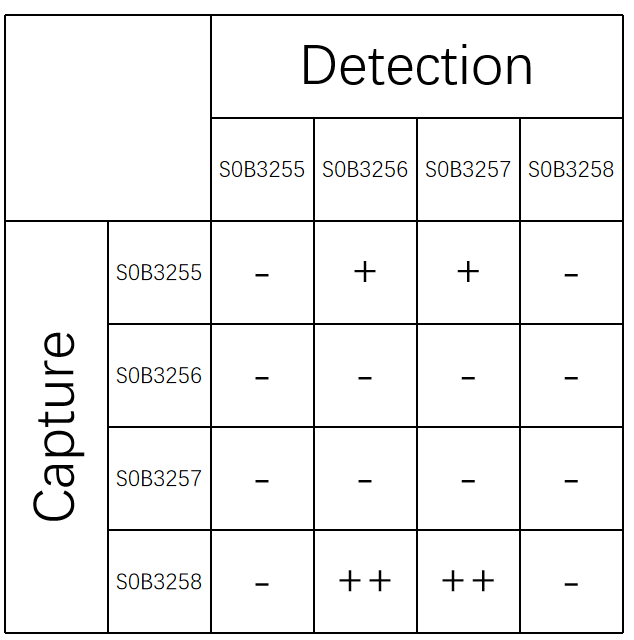
Paired Recommendations