IL-33 Recombinant Rabbit mAb (SDT-1700-17)
IL-33 Recombinant Rabbit mAb (SDT-1700-17)

Product Details
Product Details
Product Specification
| Host | Rabbit |
| Antigen | IL-33 |
| Synonyms | Interleukin-33; Interleukin-1 family member 11 (IL-1F11) |
| Immunogen | Recombinant Protein |
| Accession | O95760 |
| Clone Number | SDT-1700-17 |
| Antibody Type | Recombinant mAb |
| Isotype | IgG |
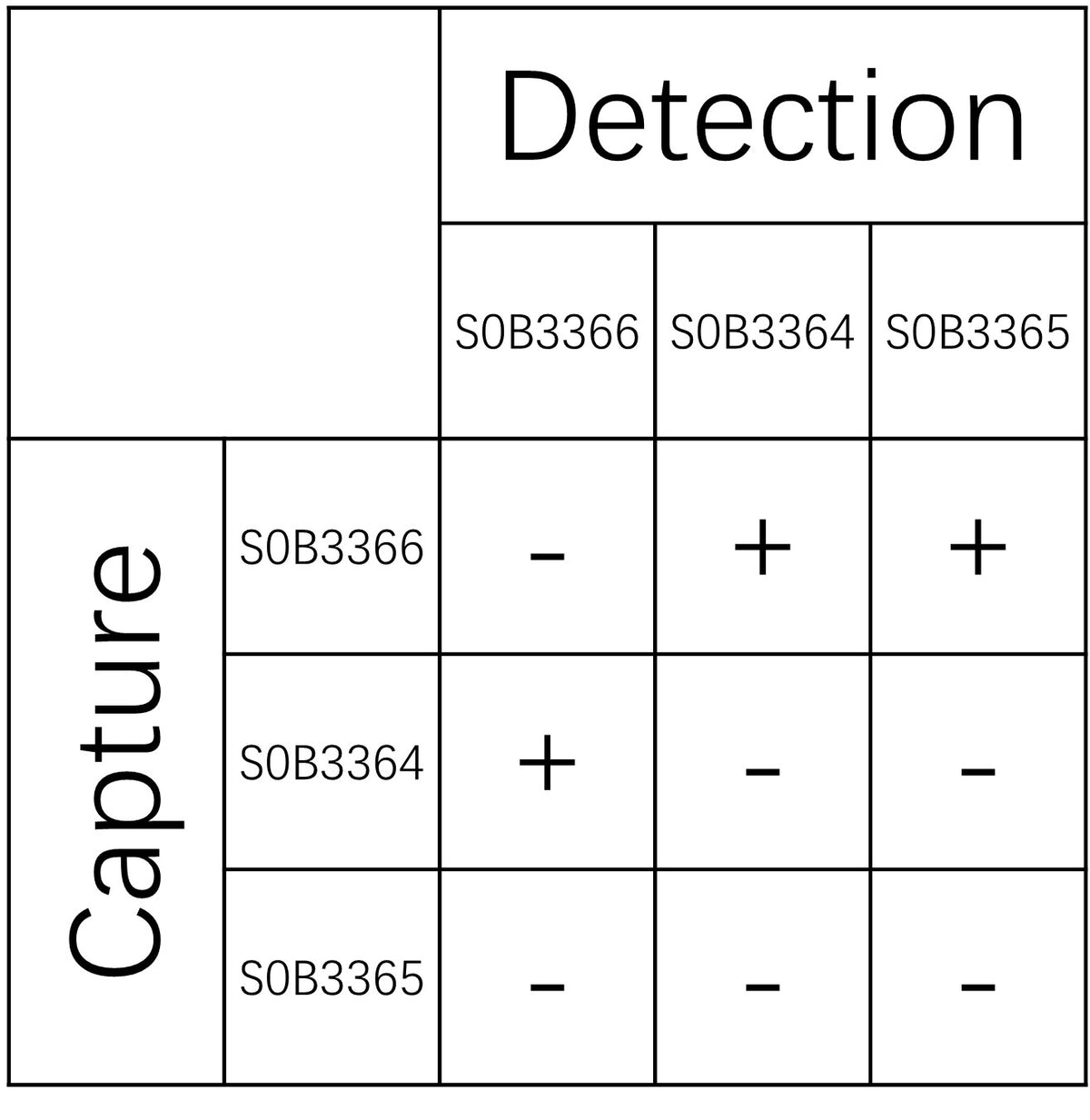
| Application | Sandwich ELISA |
| Reactivity | Hu |
| Cross Reactivity | No cross-reactivity against IL-1a IL-1b, IL-1Ra, IL-18 |
| Purification | Protein A |
| Concentration | 2 mg/ml |
| Purity | ≥95% |
| Conjugation | Unconjugated |
| Physical Appearance | Liquid |
| Storage Buffer | PBS pH7.4, 0.03% Proclin 300 |
| Stability & Storage | 12 months from date of receipt, 2 to 8 °C as supplied |
Background
Interleukin-33 (IL-33) is a multifunctional cytokine and a member of the IL-1 family, primarily known for its role in type 2 immune responses and as an alarmin that alerts the immune system upon cell damage or tissue injury. It is predominantly expressed in the nuclei of epithelial cells, endothelial cells, and fibroblasts. Upon cellular damage or necrosis, IL-33 is released into the extracellular environment, where it binds to its receptor ST2 and the co-receptor IL-1 Receptor Accessory Protein (IL-1AcP) to form an active signaling complex. This interaction triggers a range of immune responses, including the activation of Th2 cells, eosinophils, mast cells, and group 2 innate lymphoid cells (ILC2s), leading to the production of pro-inflammatory cytokines. IL-33 is implicated in various chronic inflammatory diseases such as asthma, atopic dermatitis, and chronic obstructive pulmonary disease (COPD), as well as in tissue remodeling and fibrosis. Additionally, IL-33 has been identified as a potential therapeutic target for allergic and inflammatory conditions due to its significant role in driving type 2 inflammation.
Picture
Picture
Paired Recommendations