IL-1α Recombinant Rabbit mAb (SDT-2638-228)
IL-1α Recombinant Rabbit mAb (SDT-2638-228)

Product Details
Product Details
Product Specification
| Host | Rabbit |
| Antigen | IL-1α |
| Synonyms | Hematopoietin-1, IL-1 alpha |
| Immunogen | Recombinant Protein |
| Accession | P01583 |
| Clone Number | SDT-2638-228 |
| Antibody Type | Recombinant mAb |
| Isotype | IgG |
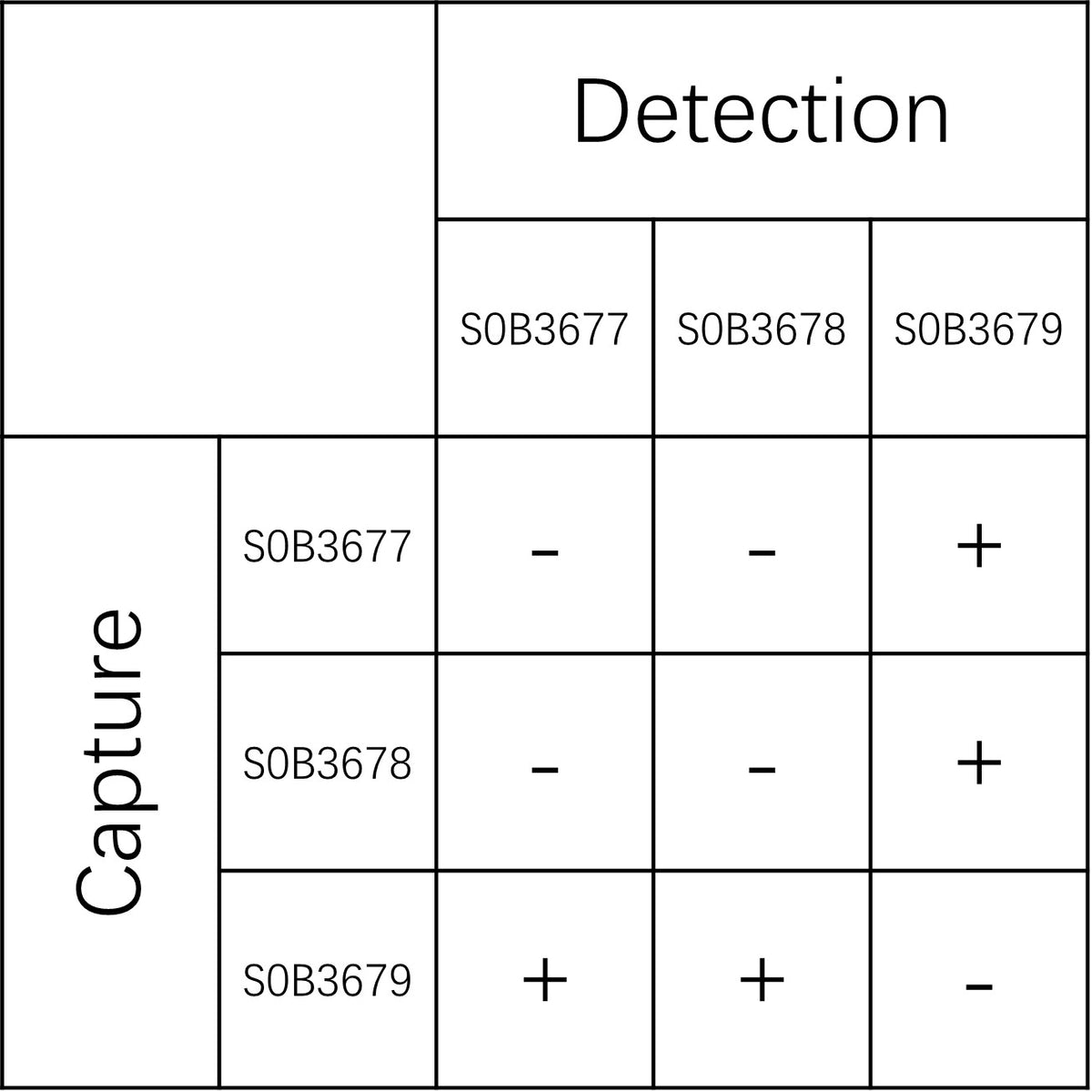
| Application | Sandwich ELISA |
| Reactivity | Hu |
| Cross Reactivity | No cross-reactivity against IL-2, IL-1beta |
| Purification | Protein A |
| Concentration | 2 mg/ml |
| Conjugation | Unconjugated |
| Physical Appearance | Liquid |
| Storage Buffer | PBS pH7.4, 0.03% Proclin 300 |
| Stability & Storage | 12 months from date of receipt, 2 to 8 °C as supplied |
Background
IL-1α (Interleukin-1 alpha) is a pivotal member of the IL-1 cytokine family, functioning as a potent pro-inflammatory mediator. Unlike its counterpart IL-1β, IL-1α is constitutively expressed in a precursor form (pro-IL-1α) within the cytoplasm of many cell types, including endothelial cells, epithelial cells, and fibroblasts. It acts as a dual-function "alarmin." Intracellularly, it can translocate to the nucleus upon cellular stress, influencing gene expression. Its primary inflammatory role is initiated upon release from cells during necrosis or via non-canonical secretion, where it binds to the IL-1 Receptor (IL-1R1), triggering downstream NF-κB and MAPK signaling pathways. This drives the production of other cytokines, chemokines, and adhesion molecules, amplifying the immune response.The biological significance of IL-1α lies in its role as a central initiator of sterile inflammation—responding to injury, ischemia, or stress in the absence of pathogens. It is crucial for recruiting leukocytes, promoting fever, and orchestrating acute phase responses. However, dysregulated IL-1α signaling is implicated in the pathogenesis of chronic inflammatory and autoimmune diseases (e.g., psoriasis, rheumatoid arthritis) and contributes to tumor progression by fostering a pro-tumorigenic microenvironment.Detection of IL-1α holds substantial clinical and research significance. Quantifying its levels in serum, plasma, or tissue samples via ELISA, immunoassays, or immunohistochemistry serves as a valuable biomarker for assessing inflammatory disease activity and severity. In oncology, measuring IL-1α in the tumor stroma can provide prognostic information. Furthermore, detecting IL-1α is critical in basic research for elucidating mechanisms of sterile inflammation and cellular stress responses. Given its central role, IL-1α is also a therapeutic target, making its accurate detection essential for patient stratification and for monitoring the efficacy of treatments aimed at modulating the IL-1 pathway.
Picture
Picture
Paired Recommendations