Glypican-3 Recombinant Rabbit mAb (SDT-802-252)
Glypican-3 Recombinant Rabbit mAb (SDT-802-252)

Product Details
Product Details
Product Specification
| Host | Rabbit |
| Antigen | Glypican-3 |
| Synonyms | Glypican-3; GTR2-2; Intestinal protein OCI-5; MXR7; OCI5; GPC3 |
| Immunogen | Recombinant Protein |
| Accession | P51654 |
| Clone Number | SDT-802-252 |
| Antibody Type | Recombinant mAb |
| Isotype | IgG |
| Application | Sandwich ELISA |
| Reactivity | Human |
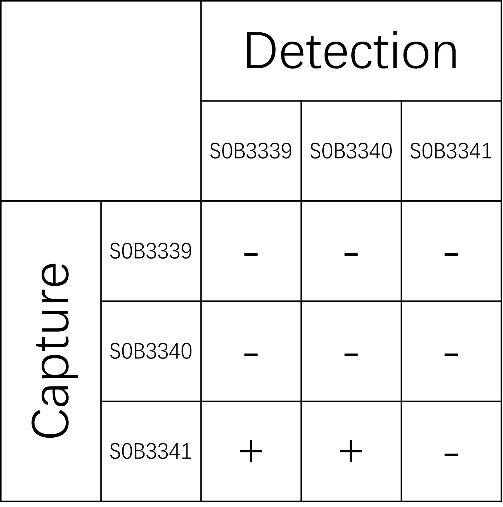
| Cross Reactivity | No cross-reactivity against DPP4/CD26 |
| Purification | Protein A |
| Concentration | 2 mg/ml |
| Purity | >95% by HPLC |
| Conjugation | Unconjugated |
| Physical Appearance | Liquid |
| Storage Buffer | PBS pH7.4, 0.03% Proclin 300 |
| Stability & Storage | 12 months from date of receipt, 2 to 8 °C as supplied |
Background
Glypican-3 (GPC3) is a member of the glypican family, a group of heparan sulfate proteoglycans that are anchored to the cell membrane via a glycosylphosphatidylinositol (GPI) anchor. GPC3 is composed of a core protein with heparan sulfate chains and is primarily expressed in fetal liver and placenta, but not in normal adult liver. It plays a crucial role in cell growth, differentiation, and migration by interacting with various growth factors such as Wnt, fibroblast growth factor, and insulin-like growth factor. GPC3 is highly overexpressed in hepatocellular carcinoma (HCC) and several other cancers, including melanoma and ovarian clear cell carcinoma, while being minimally expressed in normal adult tissues. This specific expression pattern makes GPC3 a promising target for cancer diagnosis and immunotherapy. It serves as a reliable immunohistochemical marker for HCC diagnosis, and its presence in the blood can be used as a liquid biopsy marker. Additionally, various immunotherapies targeting GPC3, such as vaccines and chimeric-antigen-receptor modified cells, are being developed to treat HCC and other GPC3-positive cancers.
Picture
Picture
Paired Recommendations