FOLR1 Recombinant Rabbit mAb (SDT-3635-104)
FOLR1 Recombinant Rabbit mAb (SDT-3635-104)

Product Details
Product Details
Product Specification
| Host | Rabbit |
| Antigen | Human folate receptor alpha |
| Synonyms | Folate receptor alpha; FR-alpha; Adult folate-binding protein (FBP); Folate receptor 1; Folate receptor; adult; KB cells FBP; Ovarian tumor-associated antigen MOv18; FOLR; FOLR1 |
| Immunogen | Recombinant Protein |
| Accession | P15328 |
| Clone Number | SDT-3635-104 |
| Antibody Type | Recombinant mAb |
| Isotype | IgG |
| Application | Sandwich ELISA |
| Reactivity | Hu |
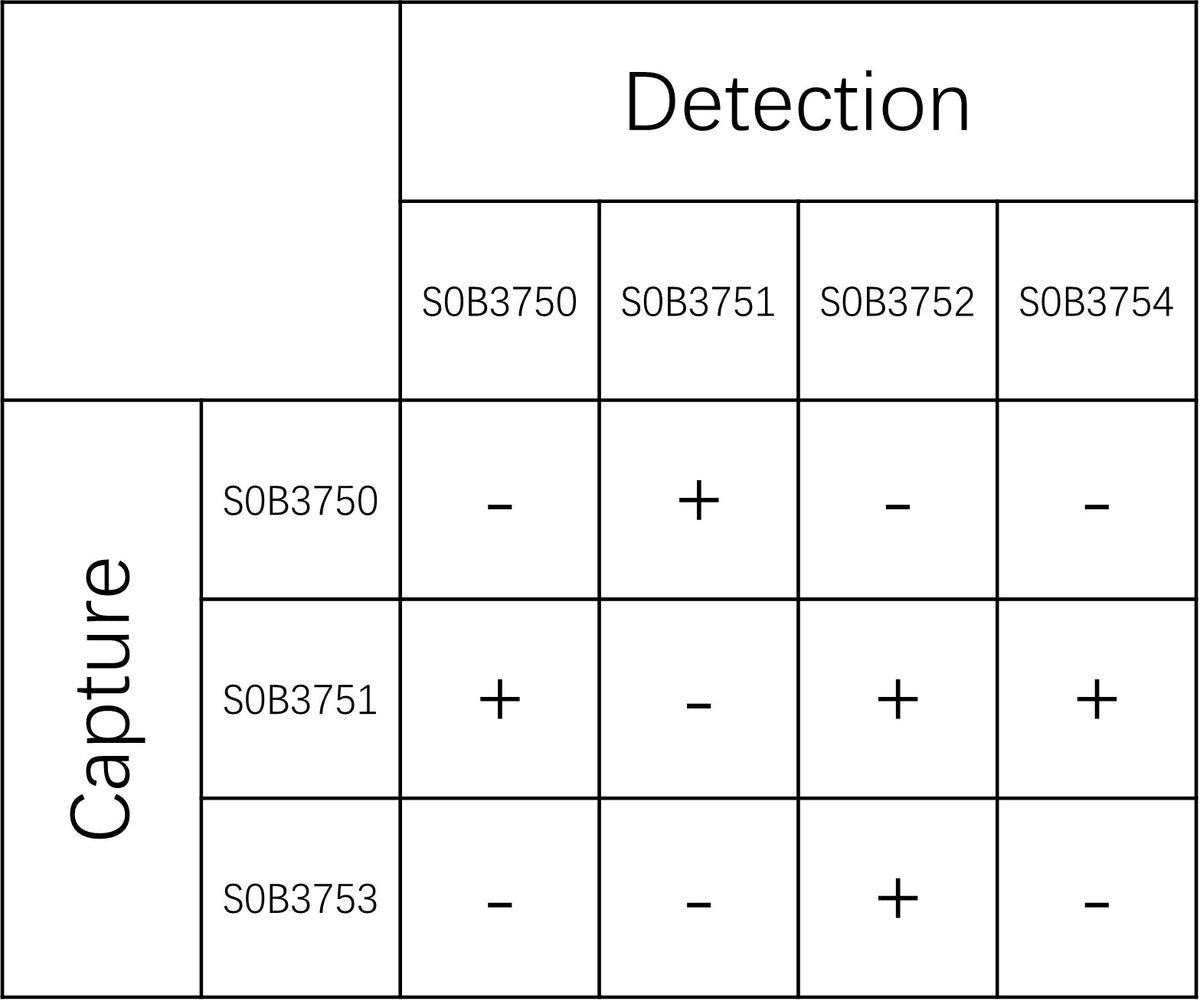
| Cross Reactivity | No cross-reactivity against FOLR2, FOLR3, FOLR4 |
| Purification | Protein A |
| Concentration | 2 mg/ml |
| Purity | >95% by SDS-PAGE |
| Conjugation | Unconjugated |
| Physical Appearance | Liquid |
| Storage Buffer | PBS pH7.4, 0.03% Proclin 300 |
| Stability & Storage | 12 months from date of receipt, 2 to 8 °C as supplied |
Background
Soluble FOLR1 (sFOLR1) is the circulating extracellular fragment of folate receptor alpha released from tumor cell membranes, serving as a promising non-invasive serological biomarker for clinical laboratory testing. Its core value lies in auxiliary tumor screening and differential diagnosis. Serum sFOLR1 obviously rises in patients with ovarian cancer, lung adenocarcinoma, cervical and endometrial cancers, while maintaining low concentrations in healthy individuals and most benign gynecological diseases. Combined with classic markers such as CA125, sFOLR1 improves early cancer detection accuracy and distinguishes malignant from benign ascites. Dynamic monitoring of peripheral sFOLR1 helps assess treatment response: effective surgery or chemotherapy leads to decreased serum levels, whereas persistent elevation implies residual tumor or early recurrence risk. Though unable to replace tissue IHC for FR-targeted ADC medication selection, sFOLR1 provides convenient real-time surveillance of tumor burden.
Moreover, elevated baseline sFOLR1 correlates with advanced tumor stage and poor prognosis, supporting clinical risk stratification and individualized disease management.
Picture
Picture
Paired Recommendations