


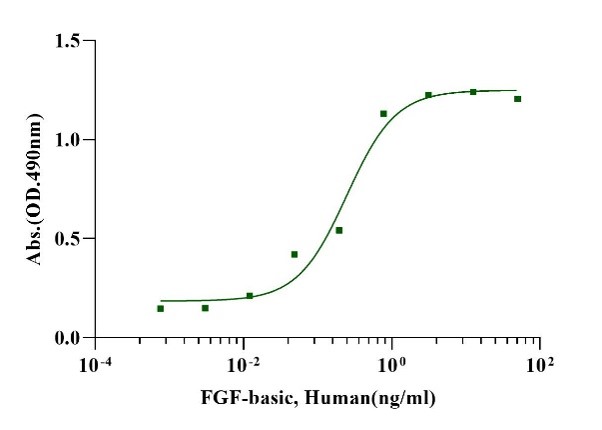
Measured in a cell proliferation assay using Balb/c 3T3 mouse fibroblast cells.The EC50 for this effect is less than 0.1ng/ml.corresponding to a specific activity of > 1 x 10⁷ units/mg.
FGF-basic(154aa) Protein, Human
FGF-basic(154aa) Protein, Human
Price:
Regular price
$80 USD
Regular price
Sale price
$80 USD
Unit price
per
For shipping services or bulk orders, you may request a quotation.
Secure checkout with

View full details
Product Details
Product Details
Product Specification
| Species | Human |
| Synonyms | bFGF,FGF-2,Heparin-binding growth factor 2,Basic fibroblast growth factor,FGFB,HBGF-2,FGF2,Fibroblast Growth Factor 2 (Basic) |
| Accession | P09038 |
| Amino Acid Sequence | Ala135-Ser288 |
| Expression System | E.coli |
| Molecular Weight | 17-18kDa(Reducing) |
| Purity | >95%, by SDS-PAGE under reducing conditions |
| Endotoxin | <1EU/μg |
| Conjugation | Unconjugated |
| Tag | No Tag |
| Physical Appearance | Lyophilized Powder |
| Storage Buffer | 20mM PB, 500mM NaCl, pH7.4 |
| Reconstitution | Reconstitute at 0.5 mg/ml according to the size in ultrapure water after rapid centrifugation. |
| Stability & Storage |
· 12 months from date of receipt, lyophilized powder stored at -20 to -80℃. · 3 months, -20 to -80℃ under sterile conditions after reconstitution. · 1 week, 2 to 8℃ under sterile conditions after reconstitution. · Please avoid repeated freeze-thaw cycles. |
Background
Basic fibroblast growth factor (bFGF), also known as FGF2, is a member of the fibroblast growth factor (FGF) family. It is a highly specific chemotactic and mitogenic factor for many cell types, appears to be involved in remodeling damaged tissue, such as ulcer healing, vascular repair, traumatic brain injury (TBI). bFGF is a critical component of human embryonic stem cell culture medium. In addition, bFGF protein is a heparin-binding cationic protein involved in a variety of pathological conditions including angiogenesis and solid tumour growth. Thus, bFGF is regarded as a target for cancers chemopreventive and therapeutic strategies.
Picture
Picture
Bioactivity
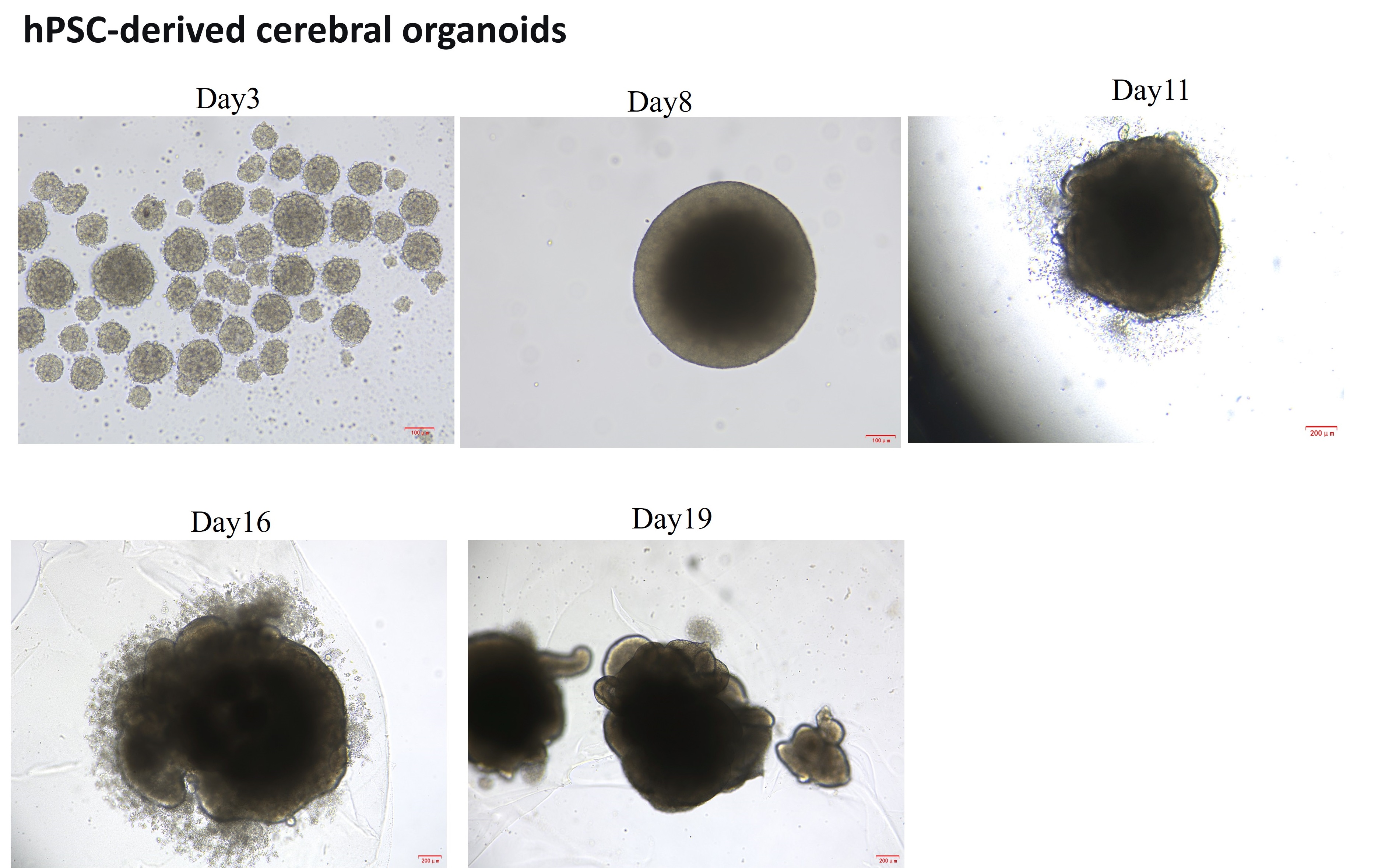
Progression of cerebral organoid development from human PSCs.
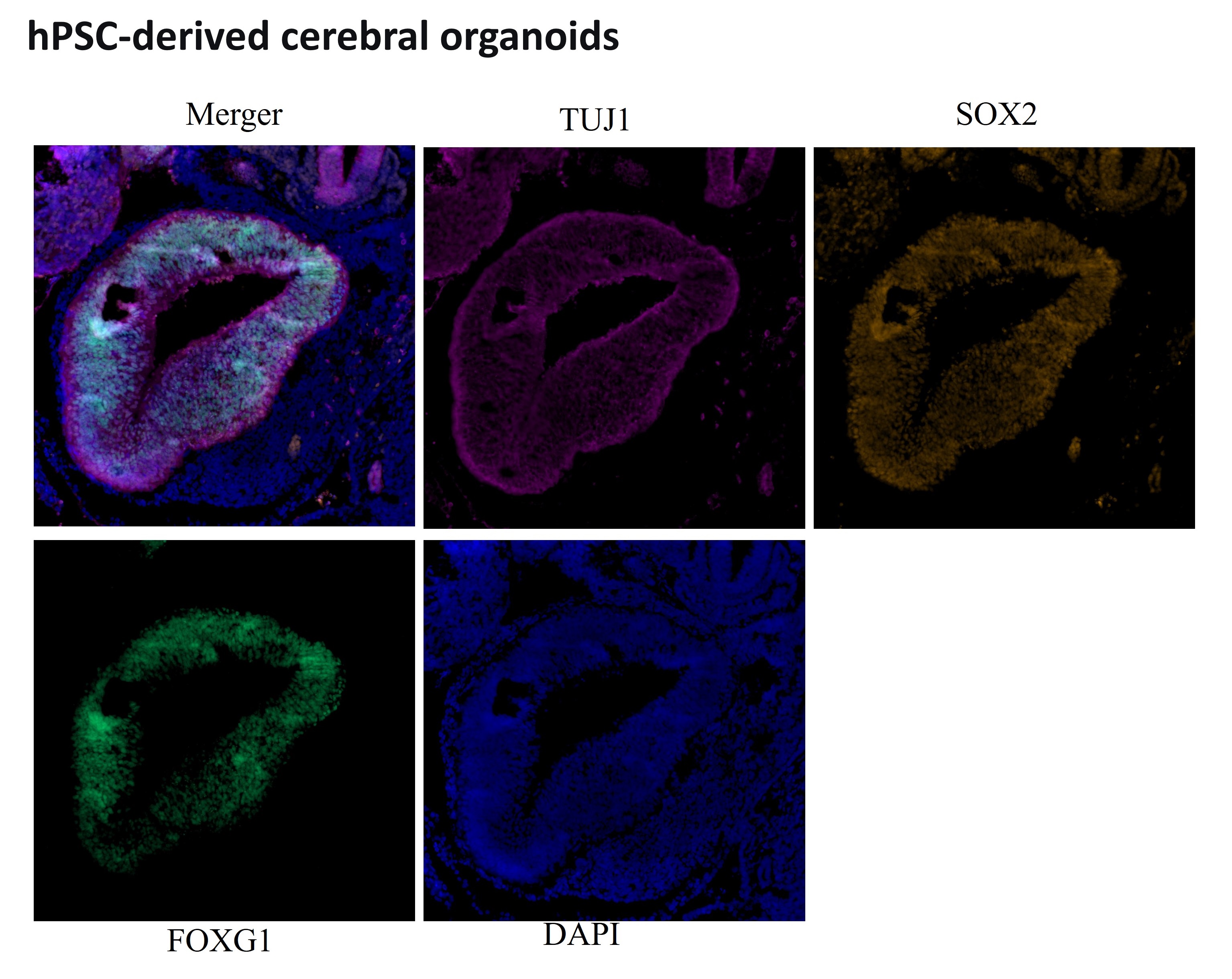
Staining for brain regions and neuronal cell identities.
Staining for neurons (TUJ1, purple) and progenitors (SOX2, orange) in a large continuous cortical tissue within an organoid. A forebrain region of an organoid staining positive for the marker FOXG1 (green).
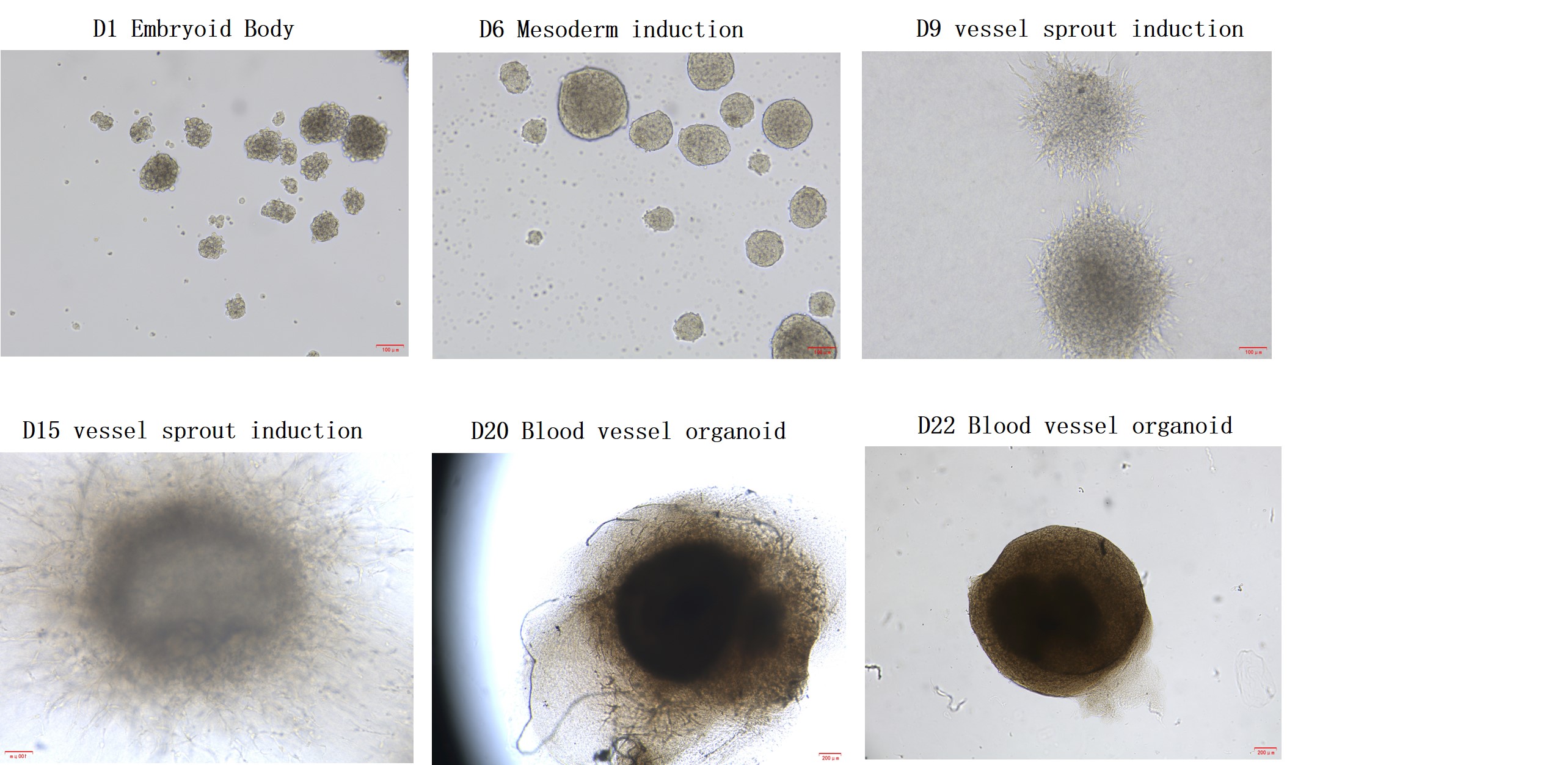
The construction and differentiation process of vascular organoids was supplemented with VEGF‑121 (UA040082), FGF‑basic (UA040007), and BMP‑4 during culture.
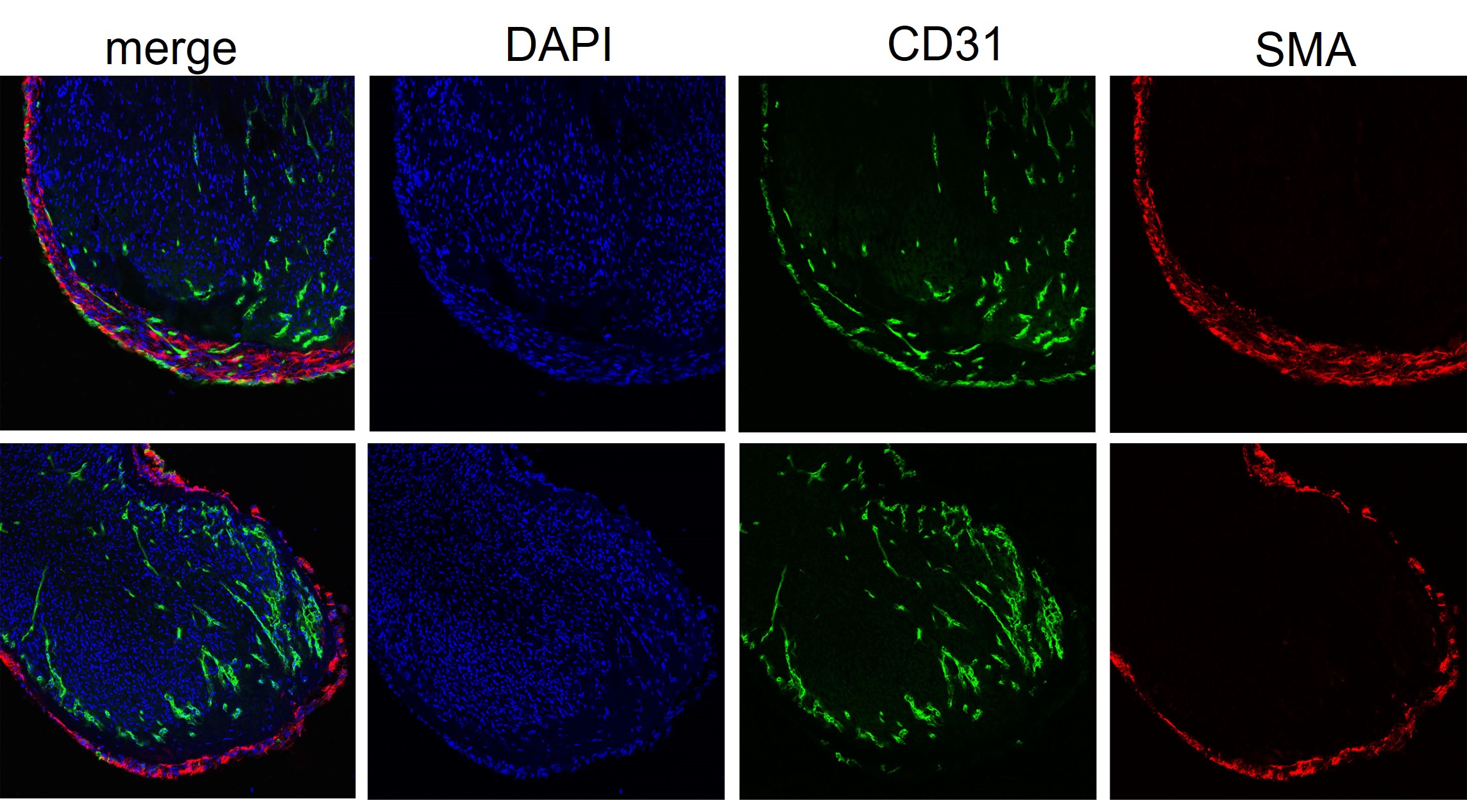
Immunofluorescence detection of characteristic protein expression in vascular organoids: the vascular organoids express endothelial cell marker CD31 (green) and pericyte marker SMA (red).
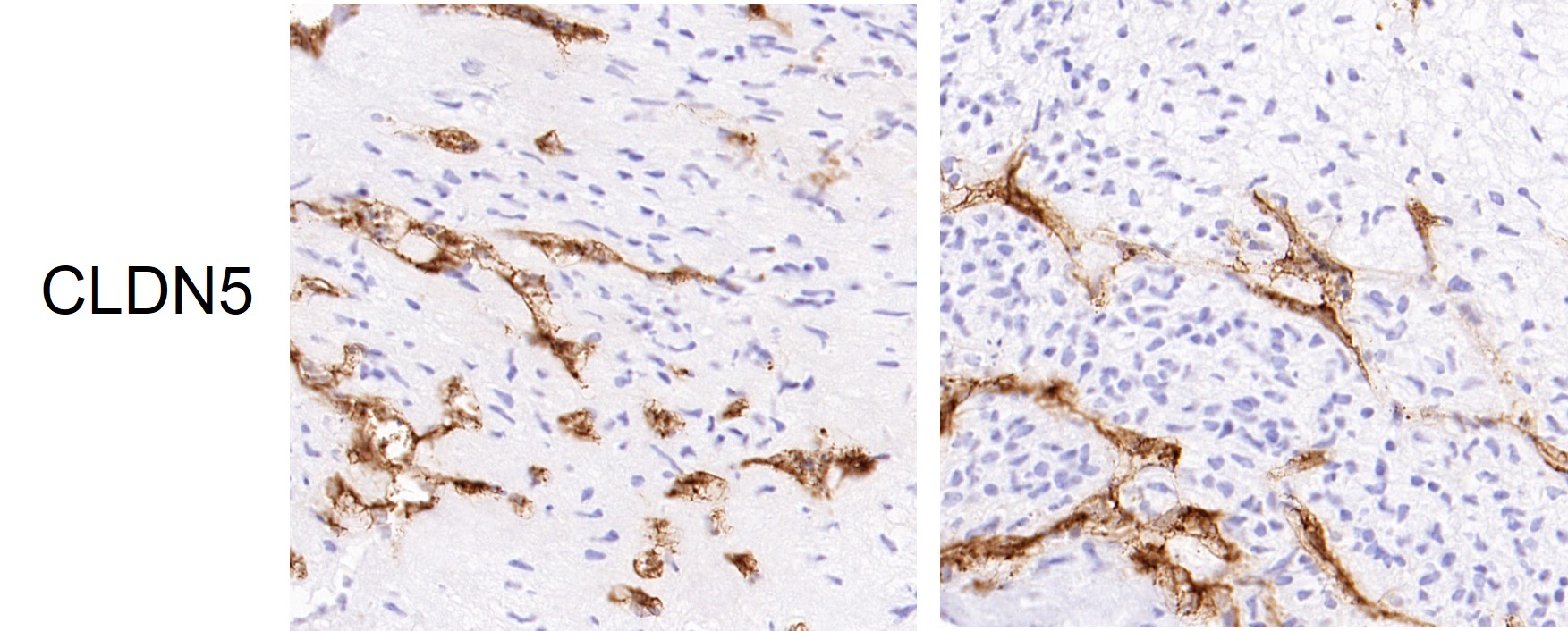
Immunohistochemical identification: the vascular organoids express endothelial cell marker CLDN5 (brown).
SDS-PAGE
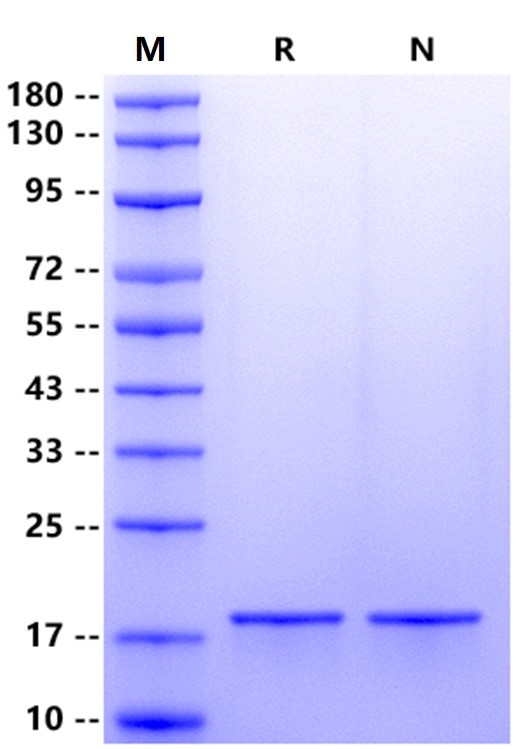
FGF-basic(154aa), Human ,1μg(R: reducing conditions, N: non-reducing conditions).
SEC-HPLC
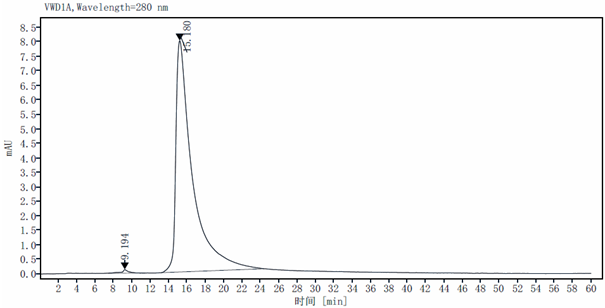
ELISA
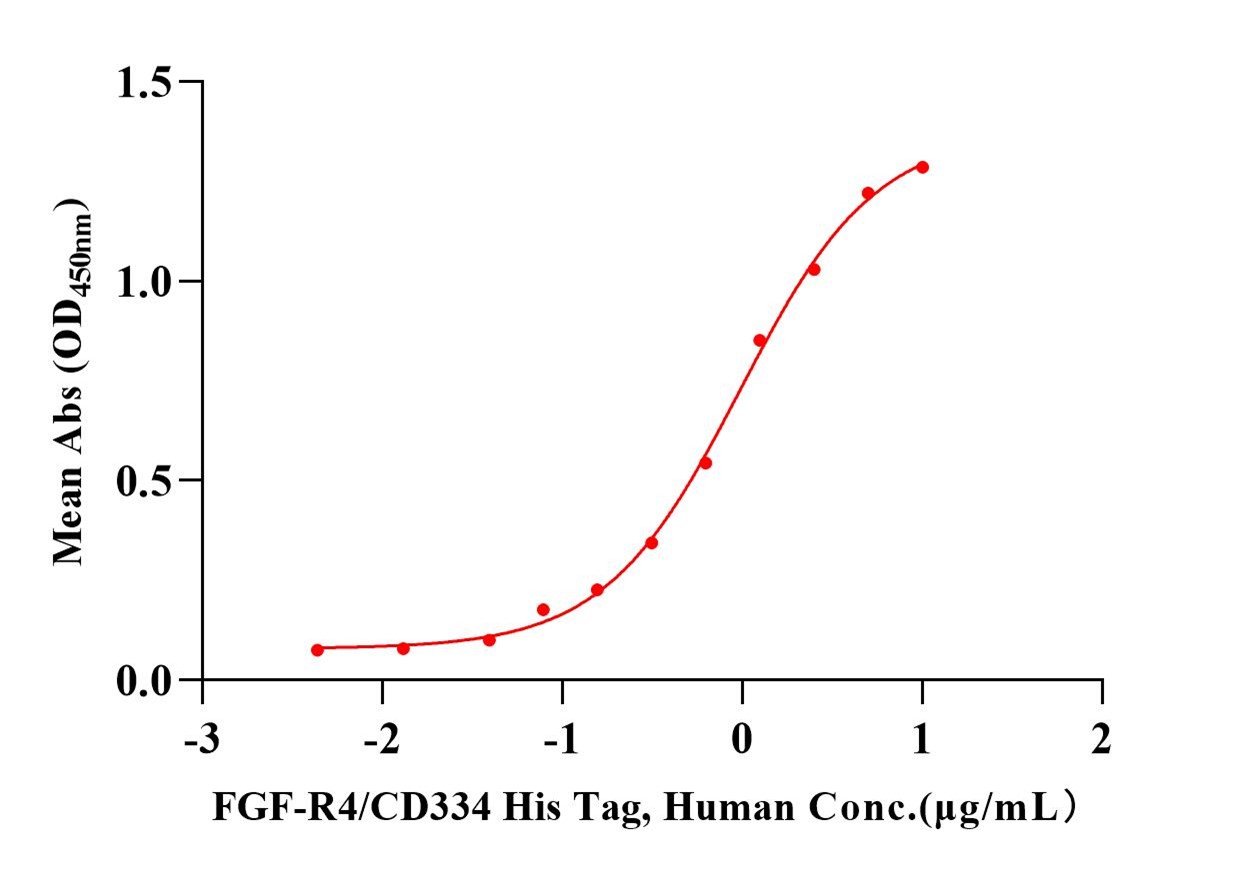
Immobilized FGF-basic(154aa), Human (Cat. No. UA040007) at 1μg/mL (100μL/well) can bind FGF-R4/CD334 His Tag, Human (Cat. No. UA020009) with EC50 of 0.968μg/mL.
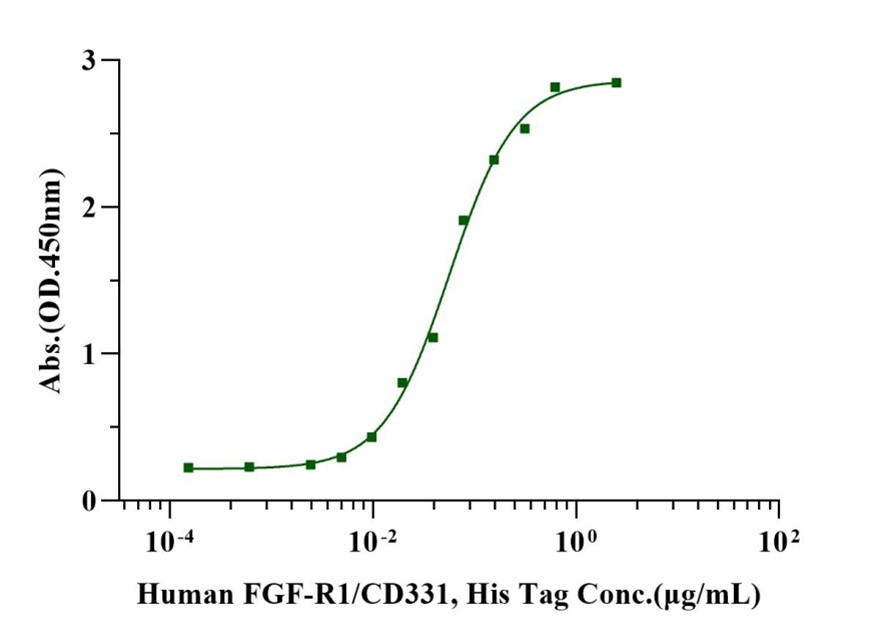
Immobilized FGF-basic(154aa), Human (Cat. No. UA040007) at 2.5μg/mL (100μL/well) can bind Human FGF-R1/CD331, His Tag (Cat. No. UA020008) with EC50 of 0.049-0.066μg/ ml.
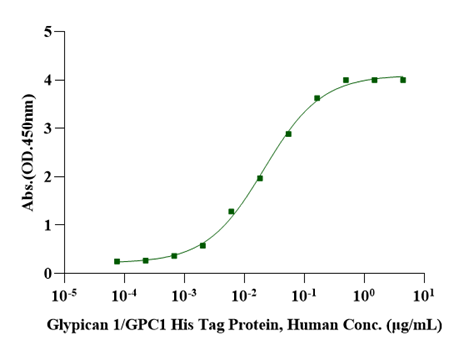
Immobilized FGF-basic(154aa) Protein, Human (Cat. No. UA040007) at 2.0μg/mL (100μL/well) can bind Glypican 1/GPC1 His Tag Protein, Human (Cat. No. UA011160) with EC50 of 17.56-25.93ng/mL.
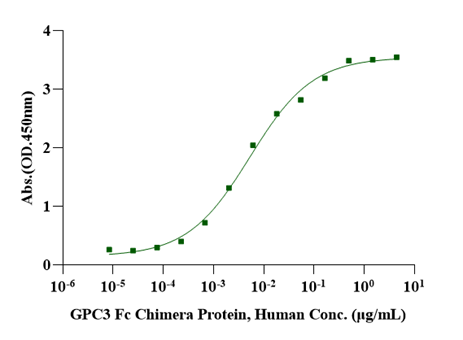
Immobilized FGF-basic(154aa) Protein, Human (Cat. No. UA040007) at 2.0μg/mL (100μL/well) can bind GPC3 Fc Chimera Protein, Human (Cat. No. UA010680) with EC50 of 3.97-7.23ng/mL.
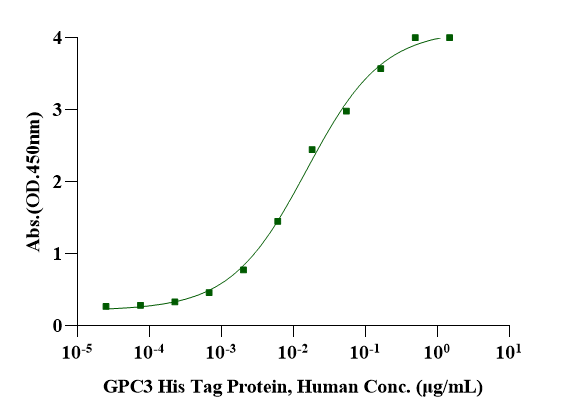
Immobilized FGF-basic(154aa) Protein, Human (Cat. No. UA040007) at 2.0μg/mL (100μL/well) can bind GPC3 His Tag Protein, Human (Cat. No. UA010073) with EC50 of 11.98-19.94ng/mL.
SPR
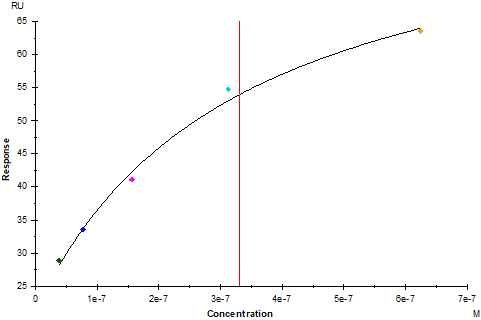
Anti-His antibody Immobilized on CM5 Chip captured FGF-R1/CD331 His Tag, Human (Cat. No. UA020008), can bind FGF-basic(154aa), Human (Cat. No. UA040007) with an affinity constant of 0.33μM as determined in SPR assay.


