Measured in a cell proliferation assay using Hacat cells.
FGF-10 Protein, Human
FGF-10 Protein, Human
Price:
Regular price
$160 USD
Regular price
Sale price
$160 USD
Unit price
per
For shipping services or bulk orders, you may request a quotation.
Secure checkout with

View full details
Product Details
Product Details
Product Specification
| Species | Human |
| Synonyms | Fibroblast growth factor 10, FGF-10, Keratinocyte growth factor 2 |
| Accession | O15520 |
| Amino Acid Sequence | Gln38-Ser208 |
| Expression System | E.coli |
| Molecular Weight | 19-21 kDa (Reducing) |
| Purity | >95% by SDS-PAGE & HPLC. |
| Endotoxin | <0.1EU/μg |
| Conjugation | Unconjugated |
| Tag | No Tag |
| Physical Appearance | Lyophilized Powder |
| Storage Buffer | PBS, pH7.4 |
| Reconstitution | Reconstitute at 0.1-1 mg/ml according to the size in ultrapure water after rapid centrifugation. |
| Stability & Storage | ·12 months from date of receipt, lyophilized powder stored at -20 to -80℃. |
| Reference | Front Genet. 2018 Sep 25;9:418. |
Background
Fibroblast Growth Factor 10 (FGF-10), also known as Keratinocyte Growth Factor 2 (KGF-2), is a member of the fibroblast growth factor (FGF) family, specifically belonging to the FGF7 subfamily. Human FGF-10 is a 19 kDa protein composed of 208 amino acids, encoded by the FGF10 gene located on chromosome 5p13-p12. It was first isolated from human lung cDNA libraries by Emoto et al. in 1997 and subsequently characterized as a paracrine signaling molecule with structural homology to FGF-7 (KGF).
Unlike endocrine FGFs, FGF-10 functions as a paracrine signaling factor that requires heparan sulfate proteoglycans as essential co-factors for high-affinity binding to its cognate receptor. FGF-10 exhibits high specificity for the FGFR2-IIIb splice variant (also known as FGFR2b or K-sam), which is predominantly expressed in epithelial cells. This ligand-receptor interaction is critical for mediating mesenchymal-epithelial communication during development and tissue homeostasis.
Structurally, FGF-10 contains a conserved β-trefoil core domain characteristic of the FGF family, along with unique N-terminal and C-terminal extensions that influence its receptor binding specificity and biological activity. The protein is secreted through the classical endoplasmic reticulum-Golgi pathway and undergoes proteolytic processing to generate the mature, biologically active form.
Picture
Picture
Bioactivity
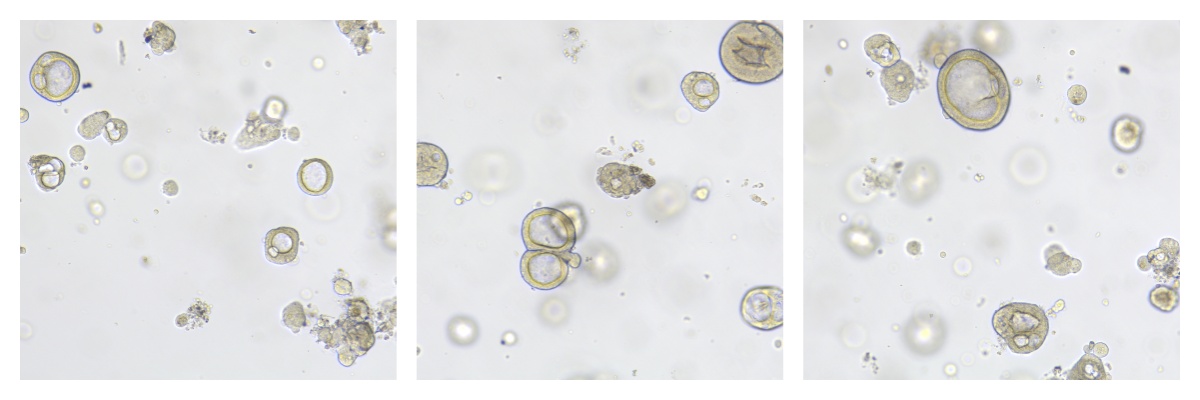
FGF-10 Protein, Human (Cat#UA040565) maintains lung cancer organoid growth well during multiple passages and long-term culture processes.
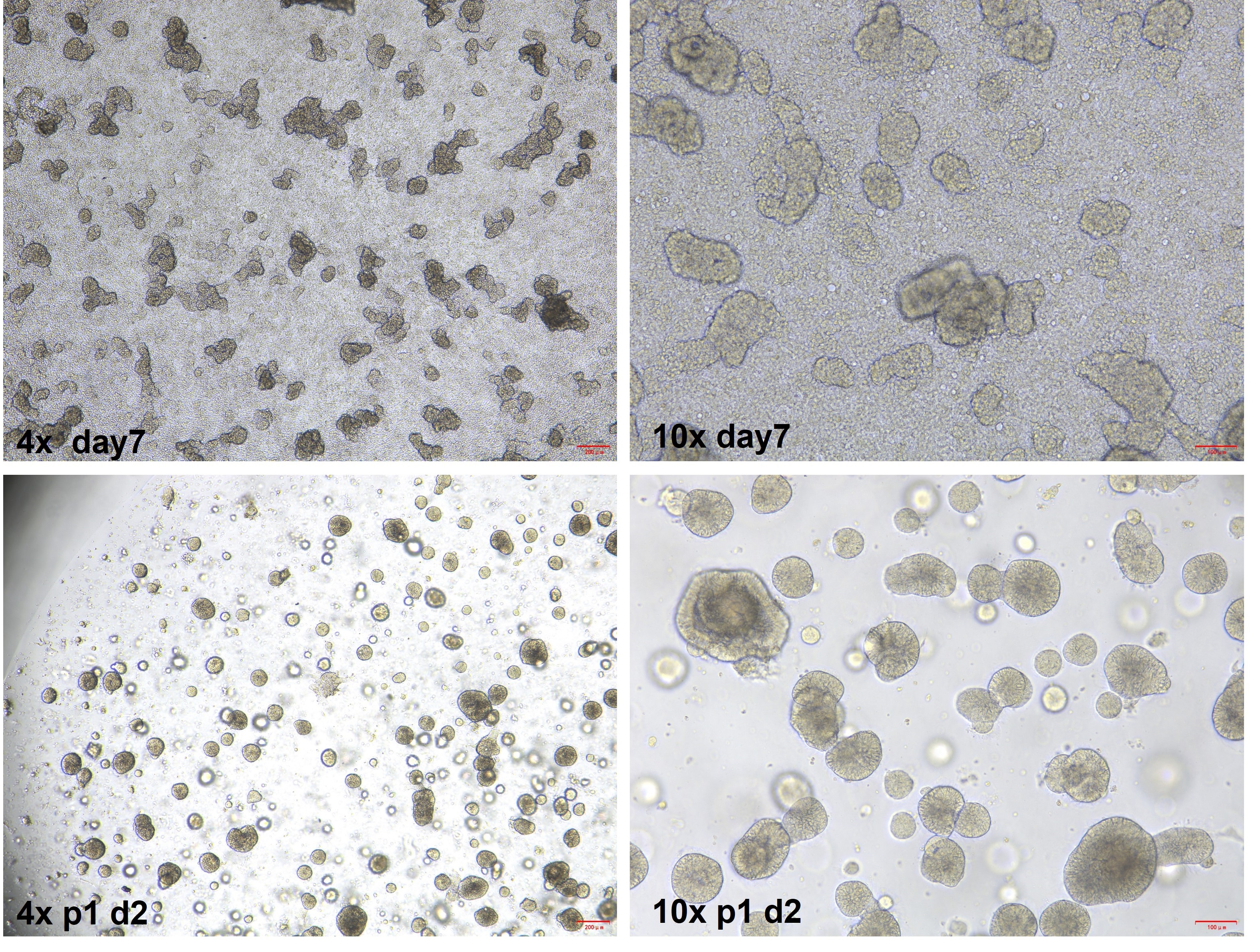
iPSC‑derived lung organoids were cultured in medium supplemented with Activin A (UA040418), FGF‑4 (UA040046), FGF‑10 (UA040565), and Noggin (UA040560).
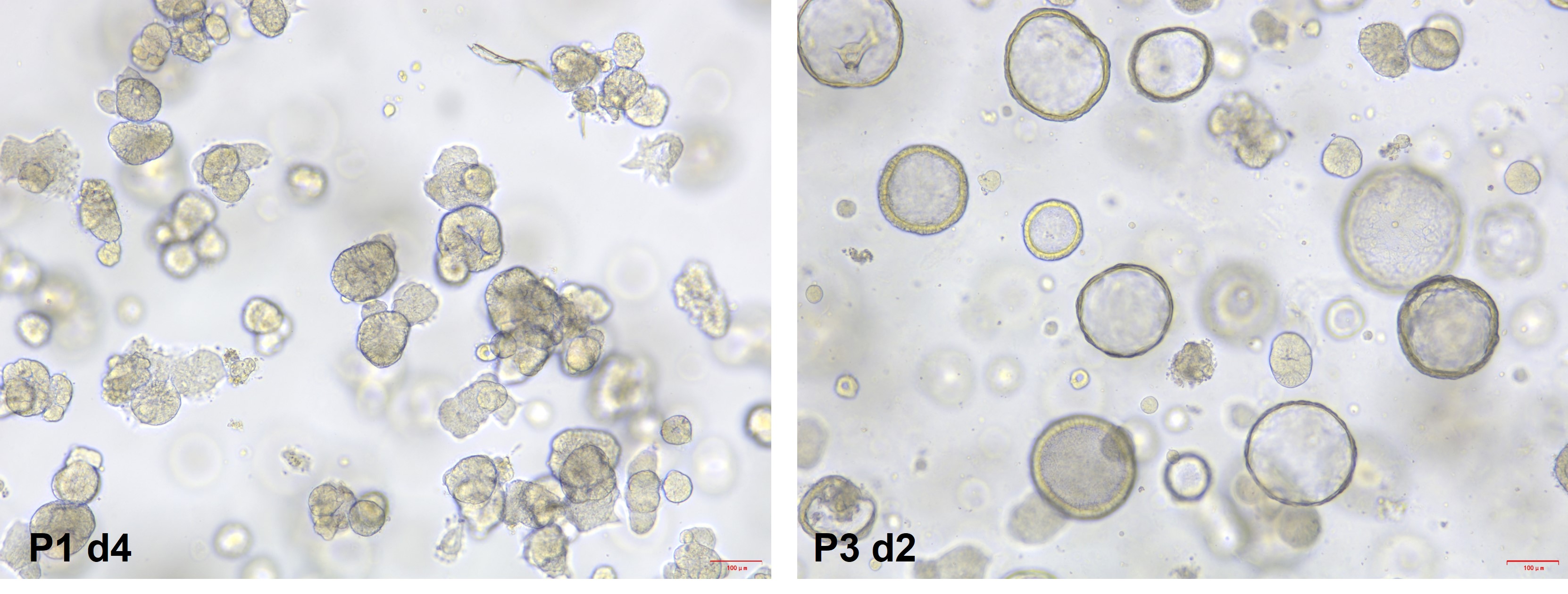
iPSC‑derived hepatic endodermal organoids were cultured in medium supplemented with Activin A (UA040418), FGF‑10 (UA040565), Noggin (UA040560), HGF, BMP-4.
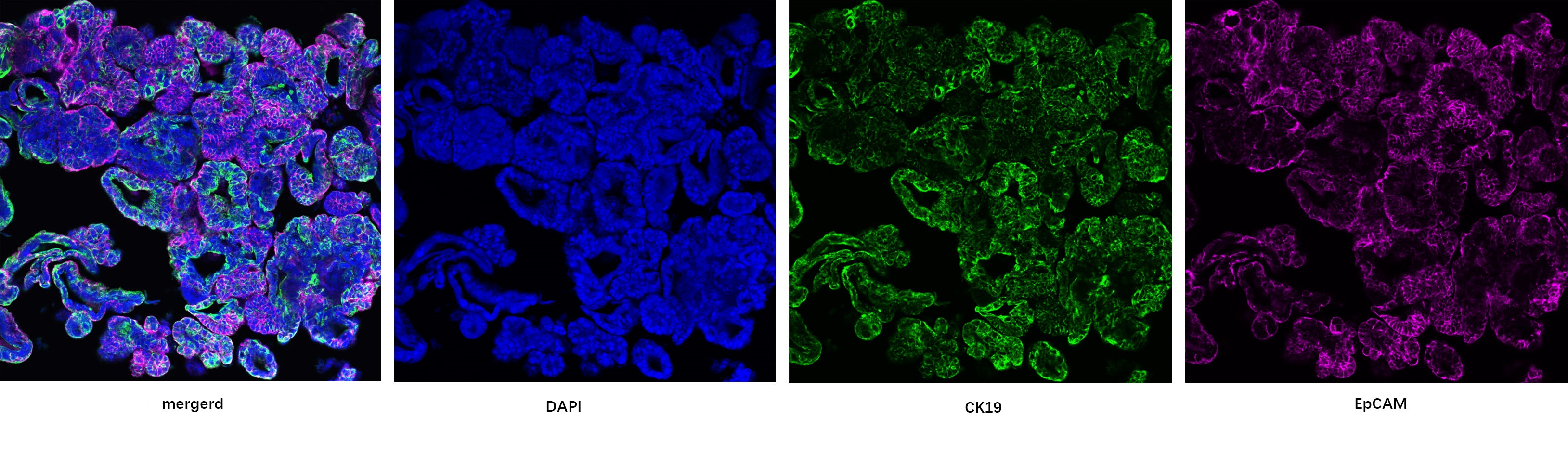
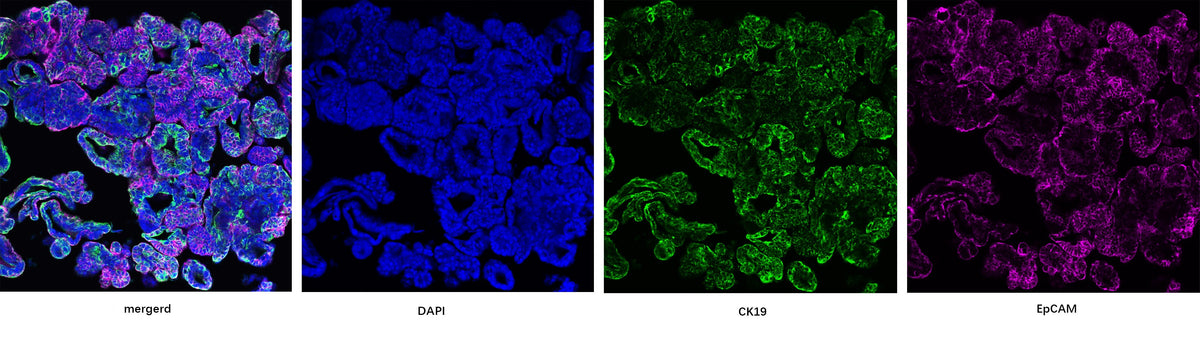
Immunofluorescence staining showed that hPSC‑derived hepatic endodermal organoids (hHEOs) were positive for CK19 (green) and EpCAM (purple), with co‑localization confirming their hepatic endodermal/progenitor identity.
SDS-PAGE
2μg (R: reducing condition, N: non-reducing condition).
SEC-HPLC
>95% as determined by SEC-HPLC.
RP-HPLC
>95% as determined by RP-HPLC.