Measured in a cell inhibition assay using A431 cell. The expected IC50 is 2.3 ng/ml.
EGF Protein, Human
EGF Protein, Human
Price:
Regular price
$25 USD
Regular price
Sale price
$25 USD
Unit price
per
For shipping services or bulk orders, you may request a quotation.
Secure checkout with

View full details
Product Details
Product Details
Product Specification
| Species | Human |
| Synonyms | Pro-epidermal growth factor, EGF, Epidermal growth factor, Urogastrone |
| Accession | P01133 |
| Amino Acid Sequence | Asn971-Arg1023 |
| Expression System | E.coli |
| Molecular Weight | 10 kDa (Reducing) |
| Purity | >95% by SDS-PAGE & HPLC. |
| Endotoxin | <0.1EU/μg |
| Conjugation | Unconjugated |
| Tag | No Tag |
| Physical Appearance | Lyophilized powder |
| Storage Buffer | PBS, pH7.4 |
| Reconstitution | Reconstitute at 0.1-1 mg/ml according to the size in ultrapure water after rapid centrifugation. |
| Stability & Storage | ·12 months from date of receipt, lyophilized powder stored at -20 to -80℃. |
| Reference | Chevalier RL, Goyal S, Thornhill BA. 1999. J Urol, 162: 1532-6. |
Background
Epidermal Growth Factor (EGF) is a potent growth factor that stimulates the proliferation of various epidermal and epithelial cells. Epidermal growth factor (EGF) binds to epidermal growth factor receptor and stimulates an intracellular signal transduction cascade, leading to activation of genes that regulate cell proliferation, angiogenesis, motility, and metastasis. Epidermal growth factor (EGF) mRNA and protein are expressed in a number of adult tissues, especially in epithelial cells in the gastrointestinal tract. Predominant sites of synthesis of this peptide are the submandibular glands, the Brunner glands in the small intestine and the kidney.
Picture
Picture
Bioactivity
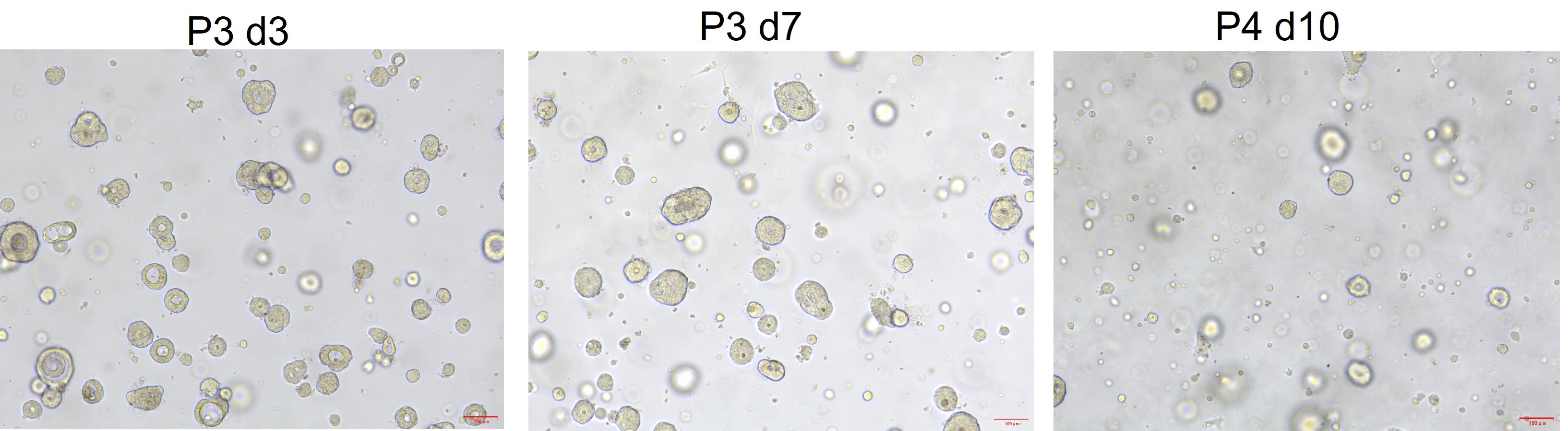
EGF Protein, Human (Cat#UA040575) maintains colorectal cancer organoid growth well during multiple passages and long-term culture processes.
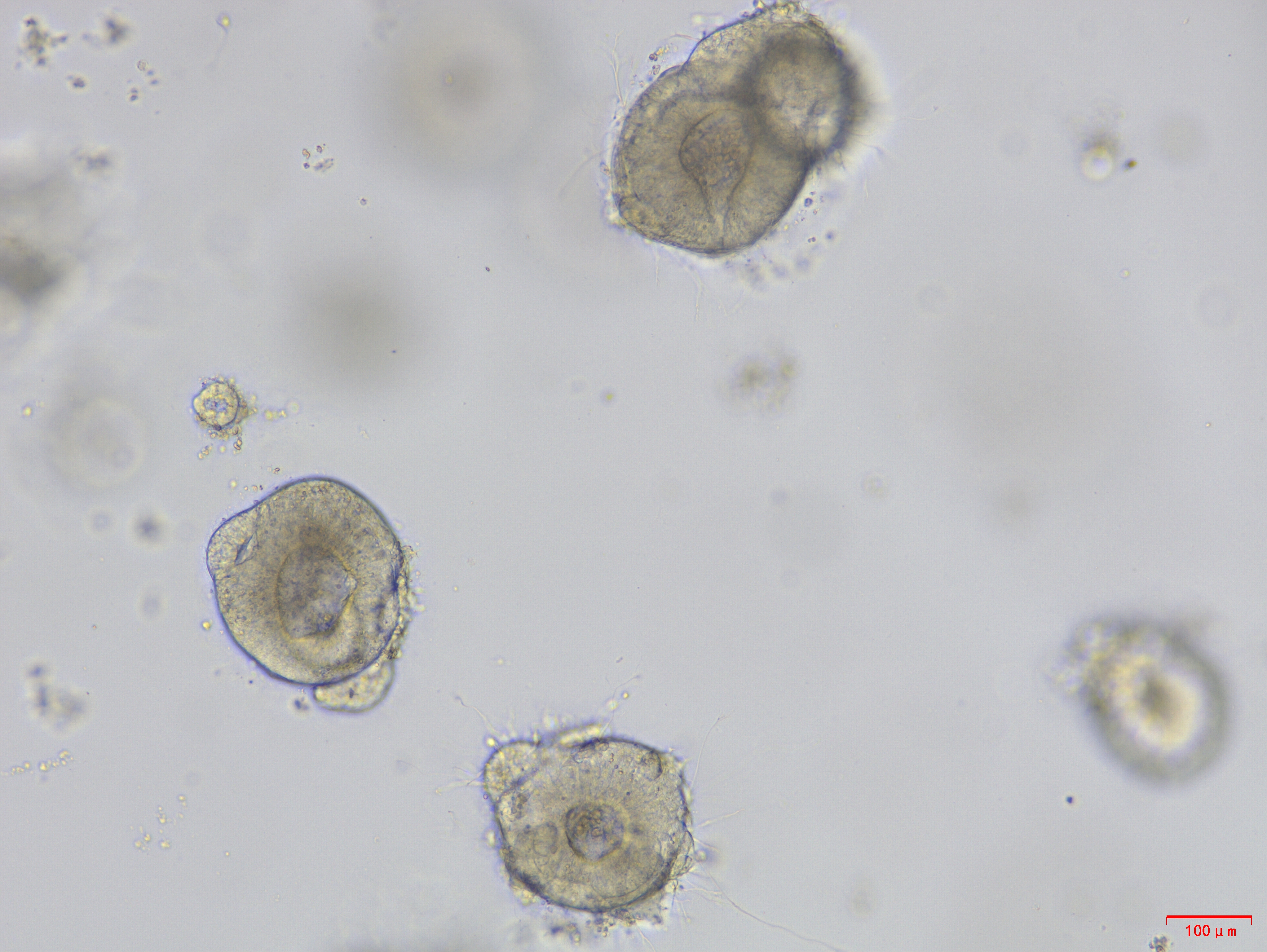
Growth state of iPSC-derived gastric organoids on day 12 of encapsulation culture, with the culture medium supplemented with Activin (UA040418), EGF (UA040575), FGF-4 (UA040046), Noggin (UA040560), and BMP-4.
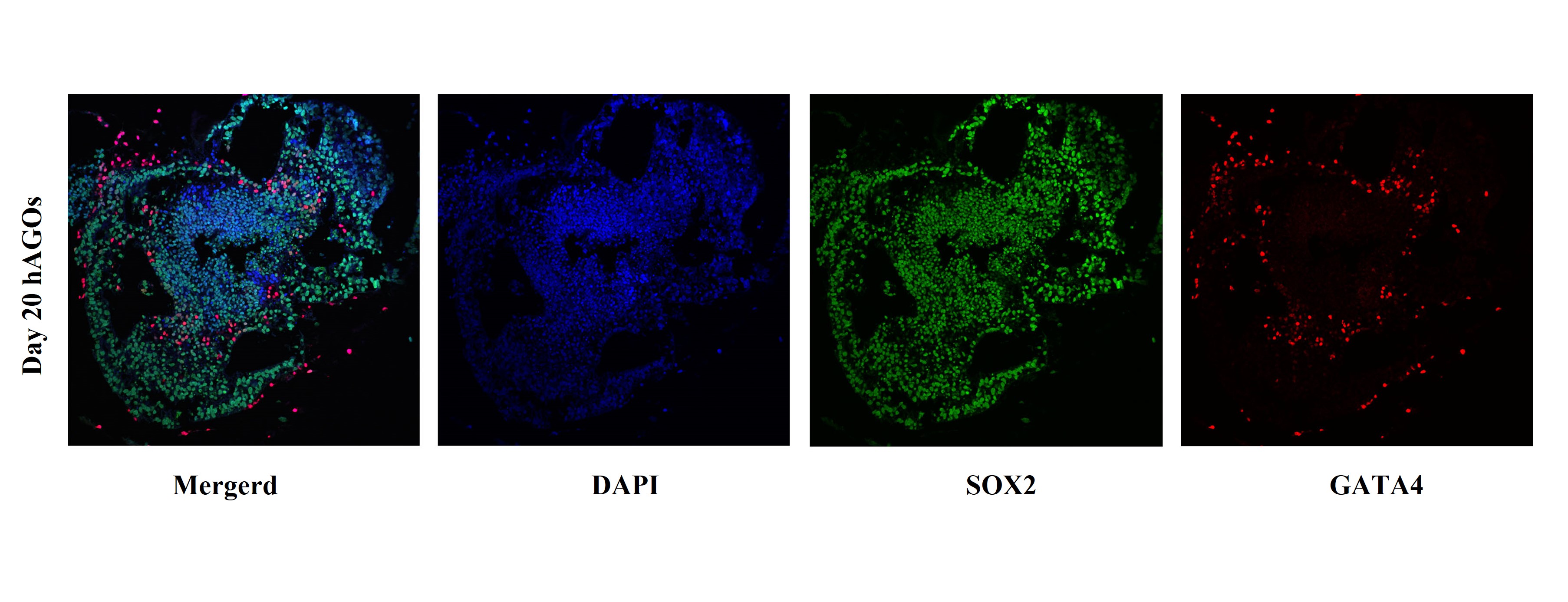
Immunofluorescence staining of gastric organoids for SOX2 (green, gastric epithelium marker) and GATA4 (red, gastric progenitor cell marker).
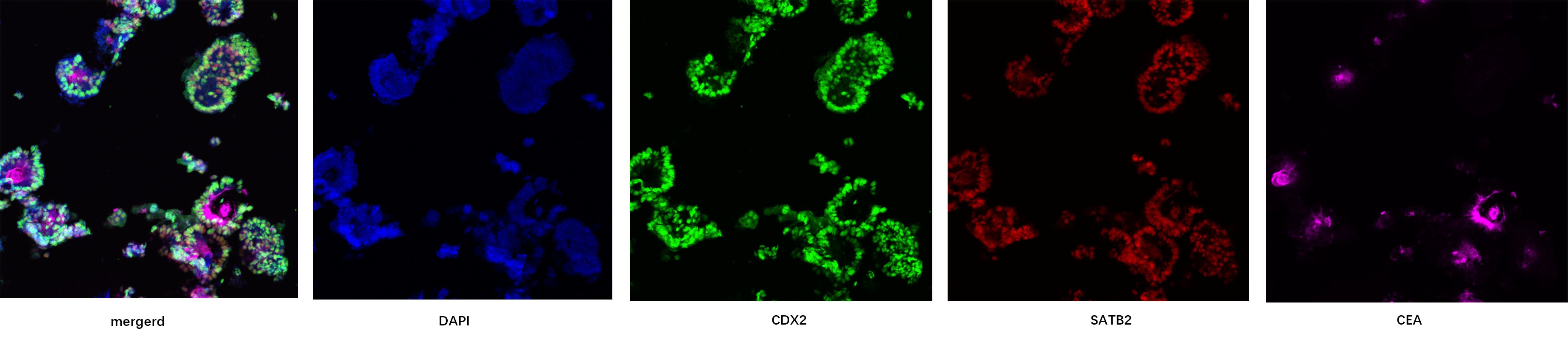
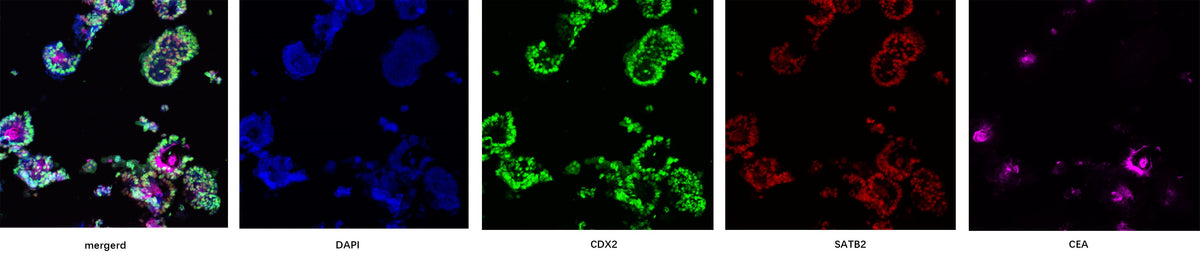
Immunofluorescence staining showed co‑expression of CEA (purple), CDX2 (green), and SATB2 (red) in human colorectal cancer organoids, confirming their colorectal epithelial phenotype.
SDS-PAGE
2μg (R: reducing condition, N: non-reducing condition).
SEC-HPLC
>95% as determined by SEC-HPLC.
RP-HPLC
>95% as determined by RP-HPLC.