DKK-1 Recombinant Rabbit mAb (SDT-232-235)
DKK-1 Recombinant Rabbit mAb (SDT-232-235)

Product Details
Product Details
Product Specification
| Host | Rabbit |
| Synonyms | Dickkopf-related protein 1, Dickkopf-1, hDkk-1, SK |
| Immunogen | Recombinant Protein |
| Accession | O94907 |
| Clone Number | SDT-232-235 |
| Antibody Type | Recombinant mAb |
| Isotype | IgG |
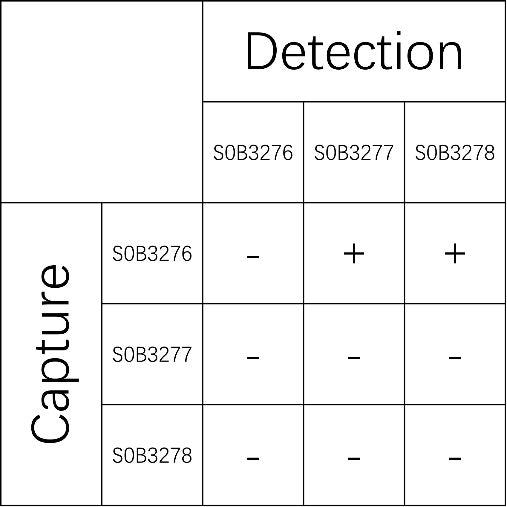
| Application | Sandwich ELISA |
| Reactivity | Hu |
| Cross Reactivity | Does not recognize DKK-3 |
| Purification | Protein A |
| Concentration | 2 mg/ml |
| Purity | >95% by HPLC |
| Conjugation | Unconjugated |
| Physical Appearance | Liquid |
| Storage Buffer | PBS pH7.4, 0.03% Proclin 300 |
| Stability & Storage | 12 months from date of receipt / reconstitution, 2 to 8 °C as supplied |
Background
DKK-1 protein is a secreted protein belonging to the DKK protein family that plays crucial roles in various biological processes. DKK-1 serves as an effective antagonist of canonical Wnt signaling, inhibiting the interaction between LRP5/6 and Wnt. It forms a ternary complex with KREMEN, leading to the internalization of LRP5/6. Additionally, DKK-1 has pro-apoptotic functions independent of Wnt antagonism through KREMEN1 and exhibits anti-apoptotic activities. This protein is associated with limb development, ensuring normal limb patterning by regulating Wnt signaling. DKK-1 protein has potential applications in diagnostic testing for osteoporosis, bone tumors, bone metabolic diseases, and cardiovascular disease risk assessment. For instance, measuring DKK-1 levels in serum or urine can aid in the diagnosis and assessment of osteoporosis severity and fracture risk. In bone tumor diagnosis, elevated DKK-1 expression may provide auxiliary evidence and be used for prognostic evaluation. Additionally, DKK-1 is associated with various bone metabolic diseases such as rheumatoid arthritis and hyperparathyroidism, where it serves as an important biomarker for diagnosis and monitoring.
Picture
Picture
Paired Recommendations