CXCL9 Recombinant Rabbit mAb (SDT-1314-113)
CXCL9 Recombinant Rabbit mAb (SDT-1314-113)

Product Details
Product Details
Product Specification
| Host | Rabbit |
| Antigen | CXCL9 |
| Synonyms | C-X-C motif chemokine 9; Gamma-interferon-induced monokine; Monokine induced by interferon-gamma (HuMIG; MIG); Small-inducible cytokine B9; CMK; MIG; SCYB9 |
| Immunogen | Recombinant Protein |
| Accession | Q07325 |
| Clone Number | SDT-1314-113 |
| Antibody Type | Recombinant mAb |
| Isotype | IgG |
| Application | Sandwich ELISA |
| Reactivity | Hu |
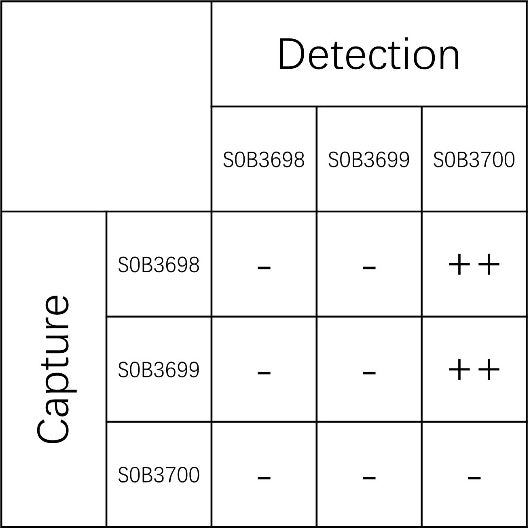
| Cross Reactivity | No cross-reactivity against UA040122 |
| Purification | Protein A |
| Concentration | 2 mg/ml |
| Conjugation | Unconjugated |
| Physical Appearance | Liquid |
| Storage Buffer | PBS pH7.4, 0.03% Proclin 300 |
| Stability & Storage | 12 months from date of receipt, 2 to 8 °C as supplied |
Background
CXCL9, also known as Monokine induced by gamma interferon (MIG), is a small chemokine belonging to the CXC subfamily that plays a pivotal role in cell-mediated immunity and inflammation. Primarily produced by monocytes, macrophages, and endothelial cells in response to interferon-gamma (IFN-γ) stimulation, CXCL9 functions by binding specifically to the CXCR3 receptor expressed on the surface of activated T cells, particularly Th1 cells, as well as natural killer (NK) cells and NKT cells. This ligand-receptor interaction triggers potent chemotactic signals that recruit these immune effector cells to sites of infection, tissue injury, or tumor microenvironments, thereby facilitating antigen-specific immune responses and contributing to the organization of lymphoid structures. Beyond its chemotactic properties, CXCL9 exhibits significant anti-angiogenic activity by inhibiting endothelial cell proliferation and migration, which helps restrict blood vessel formation in pathological conditions such as chronic inflammation and cancer. Due to its critical involvement in recruiting cytotoxic lymphocytes and suppressing tumor vasculature, CXCL9 is widely recognized as a key biomarker for favorable prognosis in various malignancies and a potential therapeutic target for enhancing immunotherapy efficacy, although its sustained overexpression can also contribute to the pathology of autoimmune diseases like rheumatoid arthritis and multiple sclerosis by promoting excessive leukocyte infiltration.
Picture
Picture
Paired Recommendations