CCL3 Recombinant Rabbit mAb (SDT-1945-508)
CCL3 Recombinant Rabbit mAb (SDT-1945-508)

Product Details
Product Details
Product Specification
| Host | Rabbit |
| Antigen | CCL3 |
| Synonyms | C-C motif chemokine 3; G0/G1 switch regulatory protein 19-1; Macrophage inflammatory protein 1-alpha (MIP-1-alpha); PAT 464.1; SIS-beta; Small-inducible cytokine A3; Tonsillar lymphocyte LD78 alpha protein; G0S19-1; MIP1A; SCYA3; CCL3 |
| Immunogen | Recombinant Protein |
| Accession | P10147 |
| Clone Number | SDT-1945-508 |
| Antibody Type | Recombinant mAb |
| Isotype | IgG |
| Application | Sandwich ELISA |
| Reactivity | Hu |
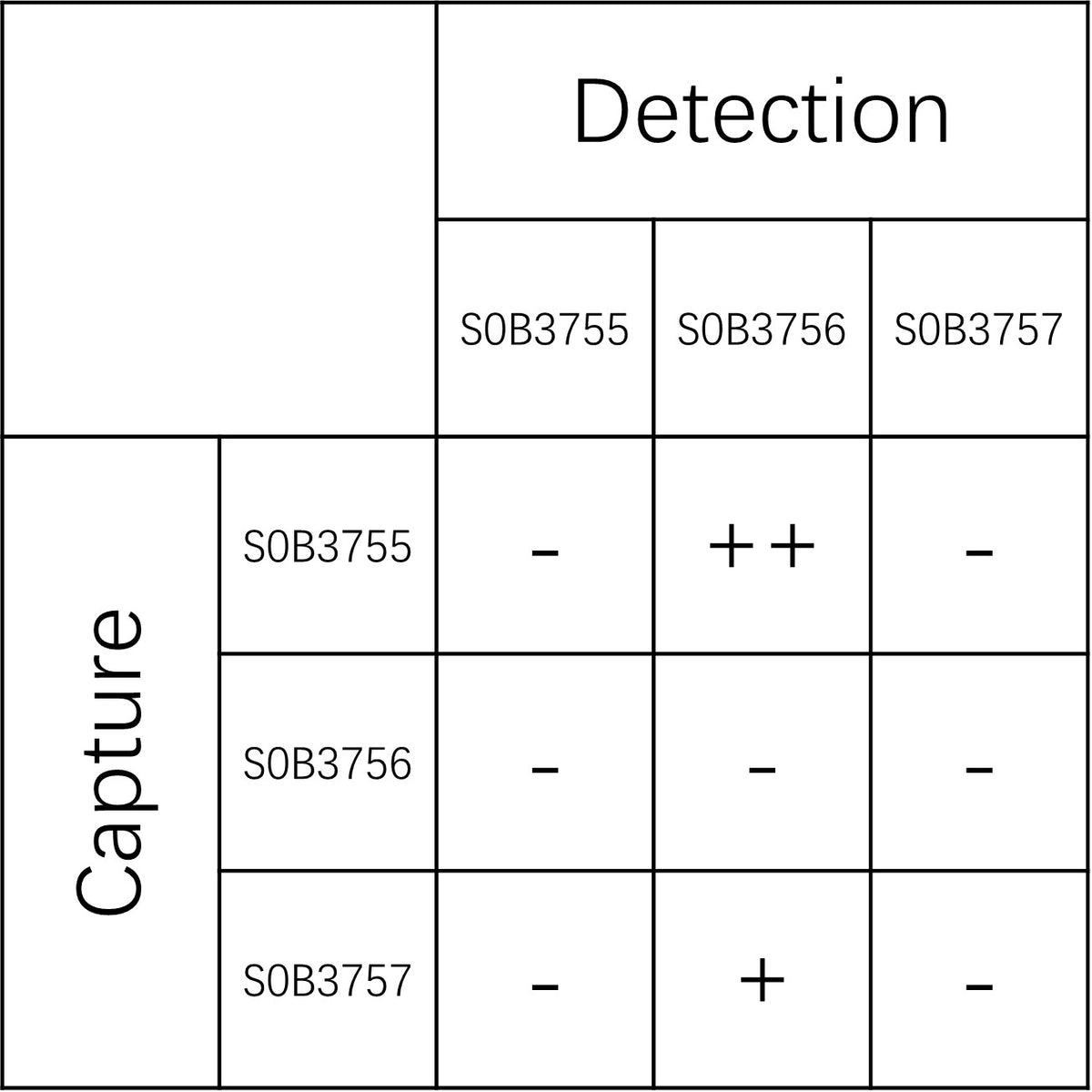
| Cross Reactivity | No cross-reactivity against CCL2 and CCL4 |
| Purification | Protein A |
| Concentration | 2 mg/ml |
| Purity | >95% by SDS-PAGE |
| Conjugation | Unconjugated |
| Physical Appearance | Liquid |
| Storage Buffer | PBS pH7.4, 0.09% sodium azide |
| Stability & Storage | 12 months from date of receipt, 2 to 8 °C as supplied |
Background
CCL3, also named MIP‑1α, is a classic CC‑chemokine categorized into cytokine superfamily, whose quantitative detection carries prominent clinical and research values. Secreted predominantly by macrophages, lymphocytes and dendritic cells upon inflammatory stimulation, CCL3 binds specifically to CCR1 and CCR5 to recruit innate and adaptive immune cells to inflamed lesions. Serum and body fluid CCL3 levels serve as sensitive inflammatory biomarkers. Elevated CCL3 reflects acute bacterial/viral infection, autoimmune disorders and chronic inflammatory diseases, assisting early diagnosis and severity evaluation of ongoing inflammation. Notably, as a natural competitor against HIV binding to CCR5 receptor, its concentration helps predict HIV susceptibility and monitor antiviral efficacy. In oncology, abnormal CCL3 expression remodels tumor microenvironment by regulating immune cell infiltration; its test facilitates prognosis assessment of multiple malignancies. Meanwhile, CCL3 measurement in cerebrospinal fluid contributes to diagnosing neuroinflammation and neurodegenerative diseases. Overall, CCL3 detection provides objective laboratory evidence for disease screening, therapeutic effect tracking and pathological mechanism exploration.
Picture
Picture
Paired Recommendations