CCL17 Recombinant Rabbit mAb (SDT-1847-112)
CCL17 Recombinant Rabbit mAb (SDT-1847-112)

Product Details
Product Details
Product Specification
| Host | Rabbit |
| Antigen | CCL17 |
| Synonyms | C-C motif chemokine 17; CC chemokine TARC; Small-inducible cytokine A17; Thymus and activation-regulated chemokine; SCYA17; TARC |
| Immunogen | Recombinant Protein |
| Accession | Q92583 |
| Clone Number | SDT-1847-112 |
| Antibody Type | Recombinant mAb |
| Isotype | IgG |
| Application | Sandwich ELISA |
| Reactivity | Hu |
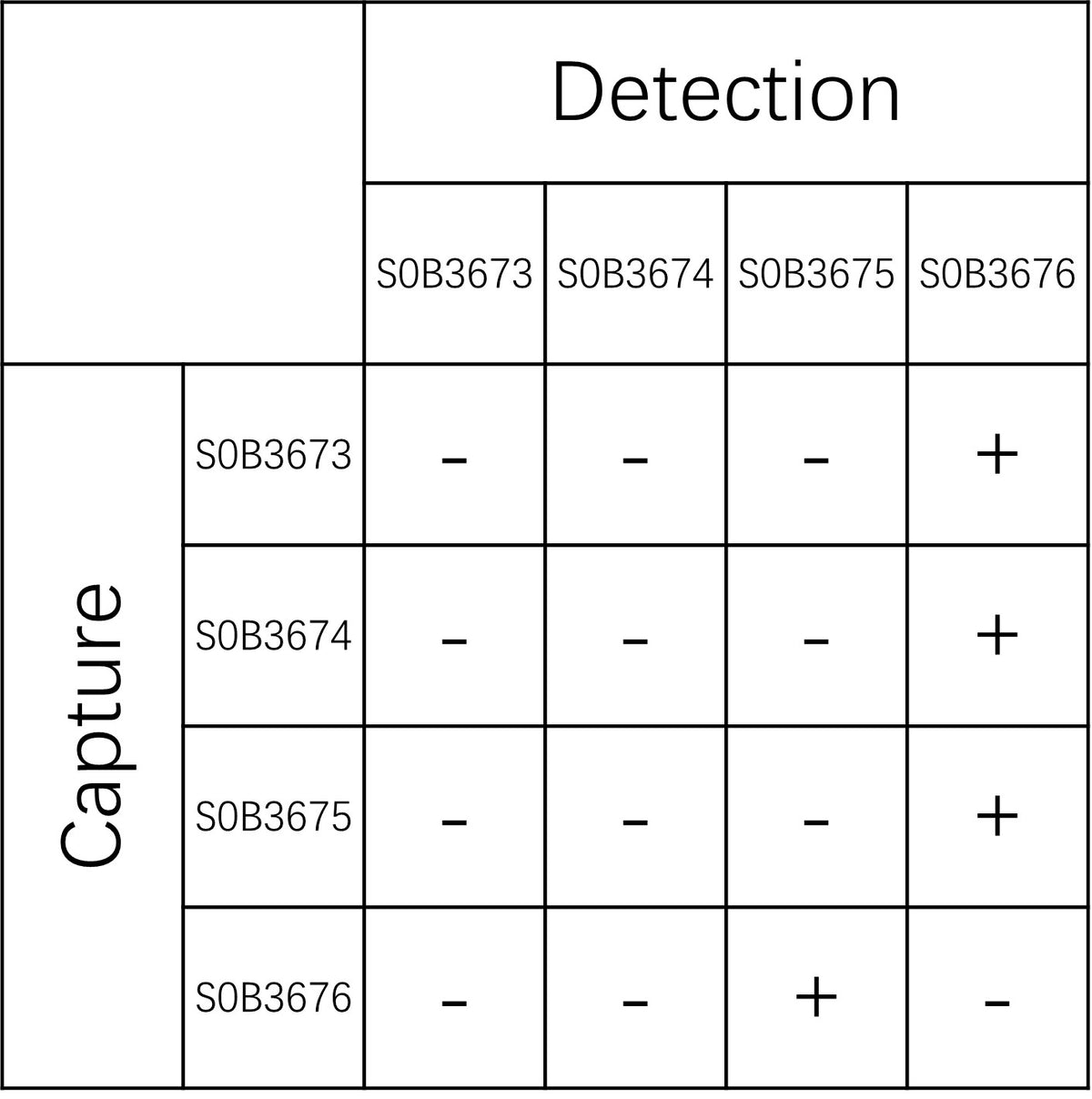
| Cross Reactivity | No cross-reactivity against CCL2, CCL3, CCL4, CXCL1 |
| Purification | Protein A |
| Concentration | 2 mg/ml |
| Conjugation | Unconjugated |
| Physical Appearance | Liquid |
| Storage Buffer | PBS pH7.4, 0.03% Proclin 300 |
| Stability & Storage | 12 months from date of receipt, 2 to 8 °C as supplied |
Background
CCL17, also known as Thymus and Activation-Regulated Chemokine (TARC), is a protein that belongs to the C-C chemokine family. It is primarily produced by dendritic cells, endothelial cells, keratinocytes, and fibroblasts, and is highly expressed in the thymus. CCL17 plays a crucial role in immune regulation by recruiting lymphocytes and modulating immune function. It acts as a ligand for the C-C chemokine receptor type 4 (CCR4), which is highly expressed on helper T cells. This chemokine is involved in various biological processes, including T-cell development, trafficking, and activation of mature T cells. Additionally, CCL17 has been implicated in several diseases, such as chronic kidney disease, where it may promote renal fibrosis by inducing epithelial-mesenchymal transition. In the context of cancer, CCL17 can influence the tumor microenvironment by recruiting regulatory T cells and affecting tumor progression.
Picture
Picture
Paired Recommendations