Canine Coronavirus Nucleocapsid (CCoV N) Recombinant Rabbit mAb (SDT-406-72)
Canine Coronavirus Nucleocapsid (CCoV N) Recombinant Rabbit mAb (SDT-406-72)

Product Details
Product Details
Product Specification
| Host | Rabbit |
| Synonyms | Canine Coronavirus Nucleocapsid, CCV N |
| Immunogen | Recombinant Protein |
| Accession | Q7T6S8 |
| Clone Number | SDT-406-72 |
| Antibody Type | Recombinant mAb |
| Isotype | IgG |
| Application | Lateral Flow, Sandwich ELISA |
| Reactivity | Canine Coronavirus |
| Cross Reactivity | Does not recognize RAV N protein |
| Purification | Protein A |
| Concentration | 2 mg/ml |
| Purity | >95% by HPLC |
| Conjugation | Unconjugated |
| Physical Appearance | Liquid |
| Storage Buffer | PBS pH7.4, 0.03% Proclin 300 |
| Stability & Storage | 12 months from date of receipt / reconstitution, 2 to 8 °C as supplied |
Dilution
| application | dilution | species |
| Sandwich ELISA | N/A |
Background
Canine Coronavirus (CCV) belongs to the coronaviridae family and can result in an intestinal disease for both wild and domestic dogs. However, the majority of infected dogs usually completely recover and also develop immunity against the virus. The dogs which are unable to recover and not build immunity to CCV, results in the disease progressing into a fatal form. This fatal form is a chronic and progressive disease which can lead to weakness, loss of appetite, diarrhea and many intestinal diseases. The virus can also enter into a new host if a contaminated object is introduced into their environment. It had been noted that dogs under 2 years of age are most susceptible to getting this lethal variant of CCV in the majority of cases. However, some sources of evidence have told us that the age of vulnerability to CCV is 2–5 years old.
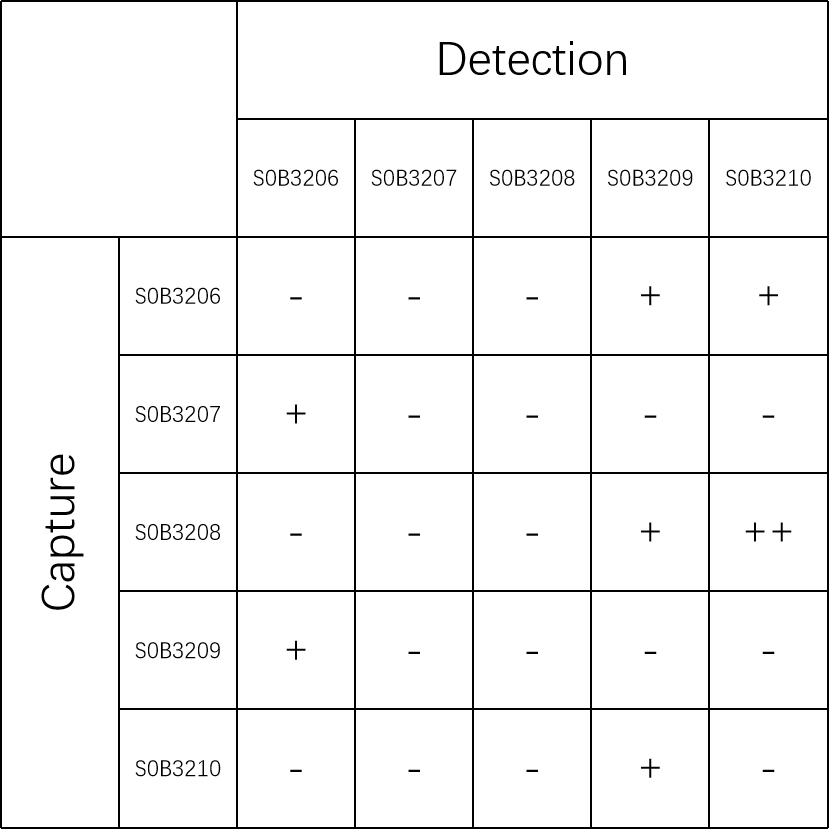
Picture
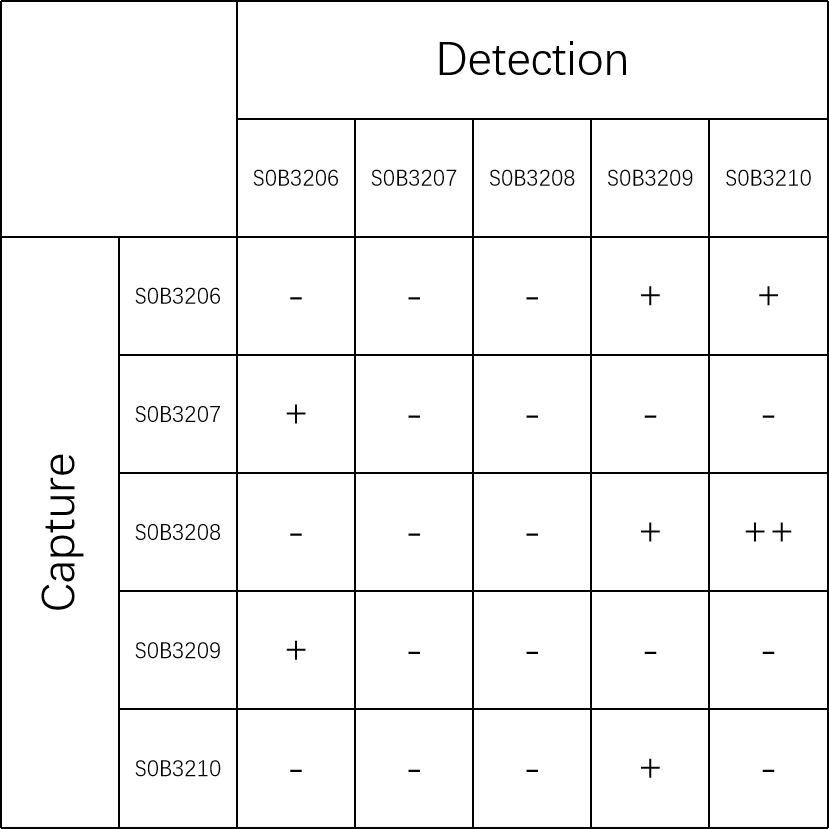
Picture
Paired Recommendations