Skip to product information
1 of 12

Beta III tubulin Recombinant Rabbit mAb (SDT-251-28)

Beta III tubulin Recombinant Rabbit mAb (SDT-251-28)

Catalog Number: S0B0089 Application: WB, IHC-P, ICC, IP, ICFCM Reactivity: Hu, Ms, Rt Conjugation: Brand: Starter
Price:
Regular price $70 USD
Regular price Sale price $70 USD
Size:

For shipping services or bulk orders, you may request a quotation.
Secure checkout with
View full details

Product Details

Product Specification


Host Rabbit
Antigen Beta III Tubulin
Synonyms Tubulin beta-3 chain, Tubulin beta-4 chain, Tubulin beta-III
Immunogen Synthetic Peptide
Location Cytoplasm, Cytoskeleton
Accession Q13509
Clone Number SDT-251-28
Antibody Type Recombinant mAb
Application WB, IHC-P, ICC, IP, ICFCM
Reactivity Hu, Ms, Rt
Purification Protein A
Concentration 0.05 mg/ml
Physical Appearance Liquid
Storage Buffer

PBS, 40% Glycerol, 0.05% BSA, 0.03% Proclin 300

Stability & Storage

12 months from date of receipt / reconstitution, -20 °C as supplied.

Dilution


application dilution species
WB 1:1000-1:5000 Hu, Ms, Rt
IHC-P 1:200 Hu, Ms, Rt
ICFCM 1:50 Hu
ICC 1:50 Hu
IP 1:25 Hu

Background

Beta III Tubulin (βIII-tubulin, encoded by the TUBB3 gene) is a highly specialized β-tubulin isotype within the tubulin protein family. Its most distinctive feature is its highly restricted expression under normal physiological conditions—it is found almost exclusively in the testes and in tissues derived from the neural crest, which has led to its widespread use as a classic marker for neural development and neuronal lineage identification. However, the "identity" of this protein undergoes a dramatic shift in disease states: in various epithelial-derived tumors such as lung cancer, breast cancer, and ovarian cancer, βIII-tubulin is aberrantly overexpressed and is closely associated with increased tumor aggressiveness and poor patient prognosis. At the functional level, it may play specialized roles in normal neurons, potentially by enhancing microtubule dynamic instability or providing protection against reactive oxygen species. On the other hand, its overexpression is also a major mechanism underlying cancer cell resistance to microtubule-targeting drugs such as taxanes, making it a highly promising prognostic biomarker for cancer and a therapeutic target for overcoming drug resistance.

Picture

Western Blot

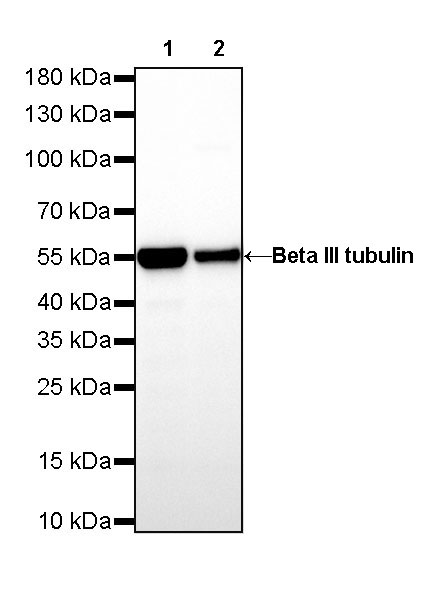
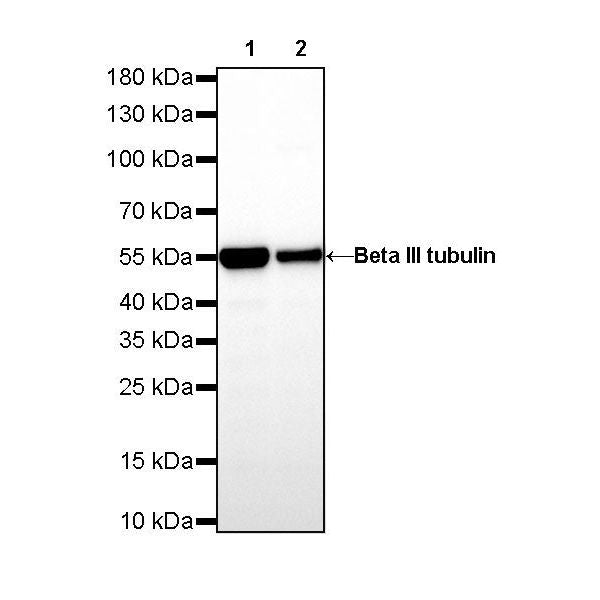
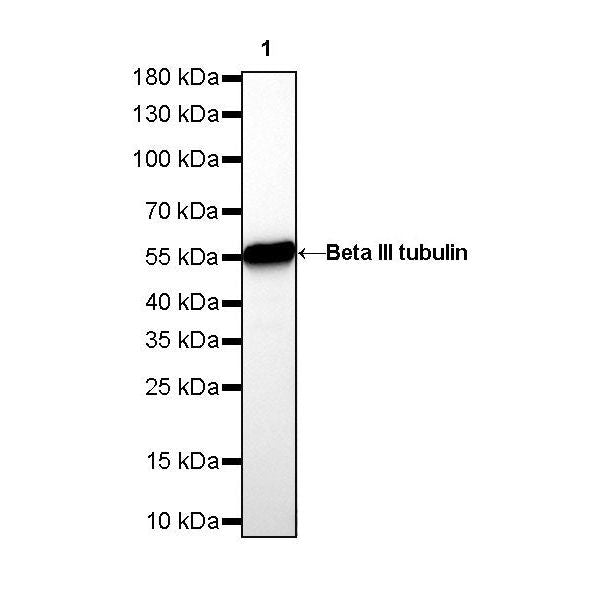
WB result of Beta III tubulin Rabbit mAb Primary antibody: Beta III tubulin Rabbit mAb at 1/5000 dilution Lane 1: SH-SY5Y whole cell lysate 20 µg Lane 2: U-87 MG whole cell lysate 20 µg Secondary antibody: Goat Anti-Rabbit IgG, (H+L), HRP conjugated at 1/10000 dilution Predicted MW: 50kDa Observed MW: 55kDa
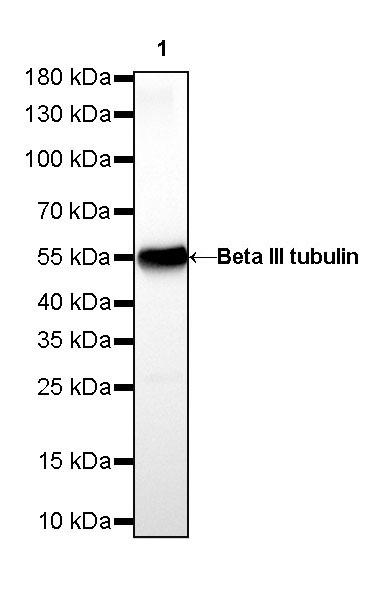
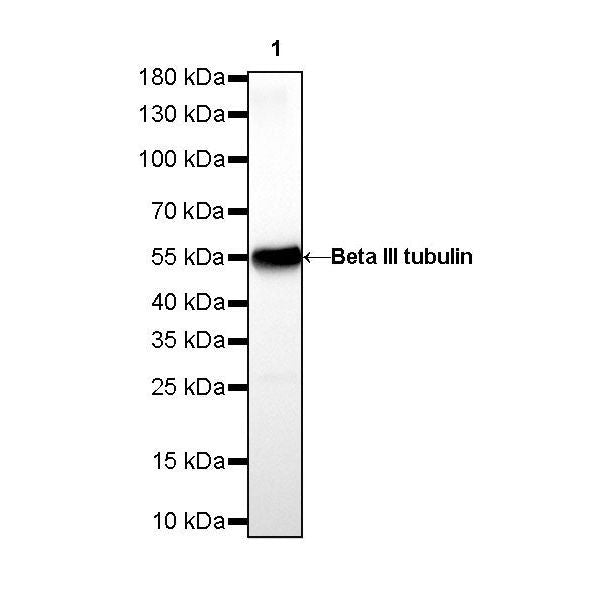
WB result of Beta III tubulin Rabbit mAb Primary antibody: Beta III tubulin Rabbit mAb at 1/5000 dilution Lane 1: mouse brain lysate 20 µg Secondary antibody: Goat Anti-Rabbit IgG, (H+L), HRP conjugated at 1/10000 dilution Predicted MW: 50kDa Observed MW: 55kDa
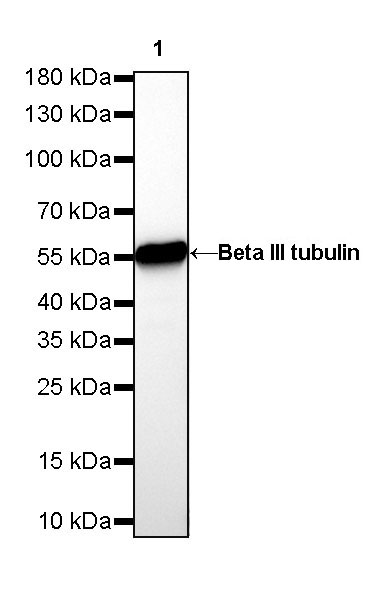
WB result of Beta III tubulin Rabbit mAb Primary antibody: Beta III tubulin Rabbit mAb at 1/5000 dilution Lane 1: rat brain lysate 20 µg Secondary antibody: Goat Anti-Rabbit IgG, (H+L), HRP conjugated at 1/10000 dilution Predicted MW: 50kDa Observed MW: 55kDa

FC

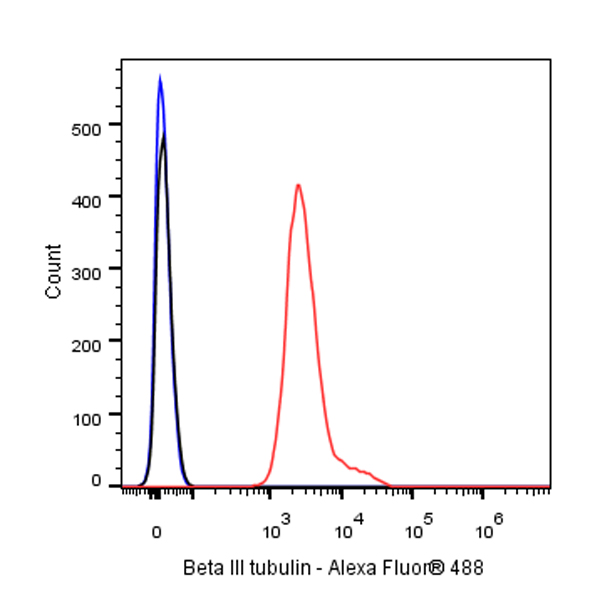
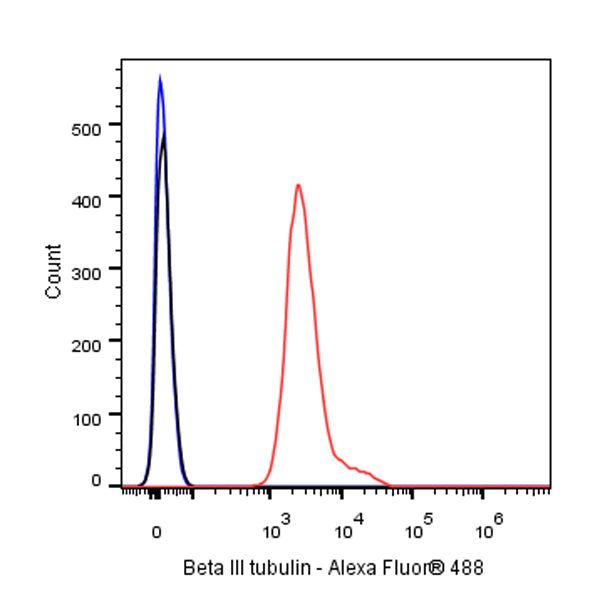
Flow cytometric analysis of 4% PFA fixed 90% methanol permeabilized SH-SY5Y (Human neuroblastoma epithelial cell) cells labelling Beta III tubulin antibody at 1/50 (0.1 μg) dilution / (red) compared with a Rabbit monoclonal IgG (Black) isotype control and an unlabelled control (cells without incubation with primary antibody and secondary antibody) (Blue). Goat Anti - Rabbit IgG Alexa Fluor® 488 was used as the secondary antibody.

IP
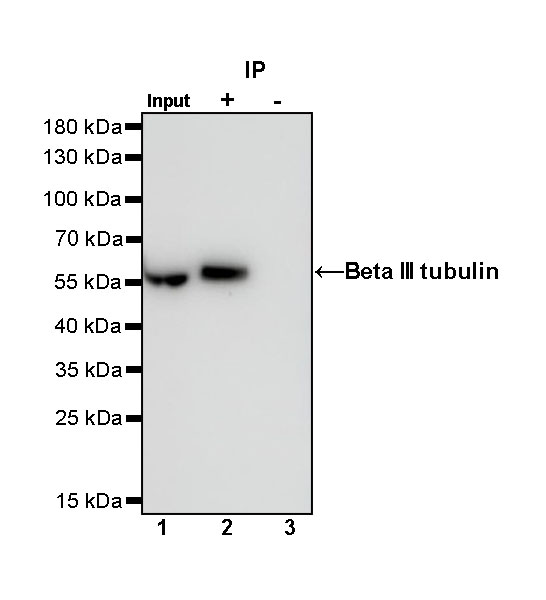
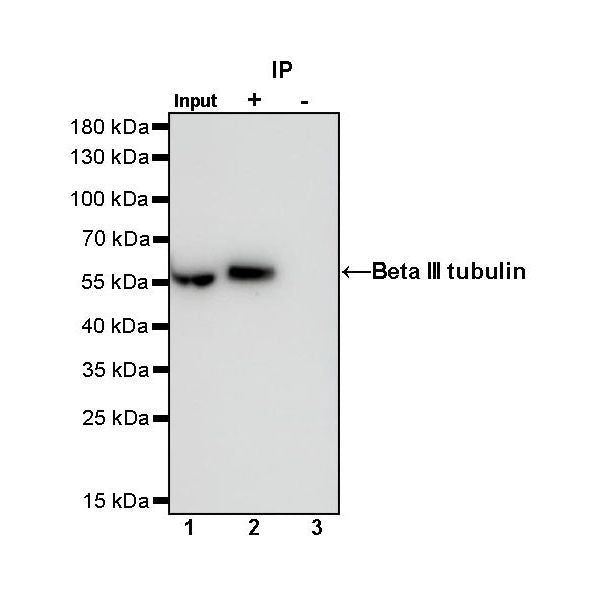
Beta III tubulin Rabbit mAb at 1/25 dilution (0.2 µg) immunoprecipitating Beta III tubulin in 0.2 mg SH-SY5Y whole cell lysate.
Western blot was performed on the immunoprecipitate using Beta III tubulin Rabbit mAb at 1/1000 dilution.
Secondary antibody (HRP) for IP was used at 1/400 dilution.
Lane 1: SH-SY5Y whole cell lysate 5 µg (Input)
Lane 2: Beta III tubulin Rabbit mAb IP in SH-SY5Y whole cell lysate
Lane 3: Rabbit monoclonal IgG IP in SH-SY5Y whole cell lysate
Predicted MW: 50 kDa
Observed MW: 55 kDa

Immunohistochemistry
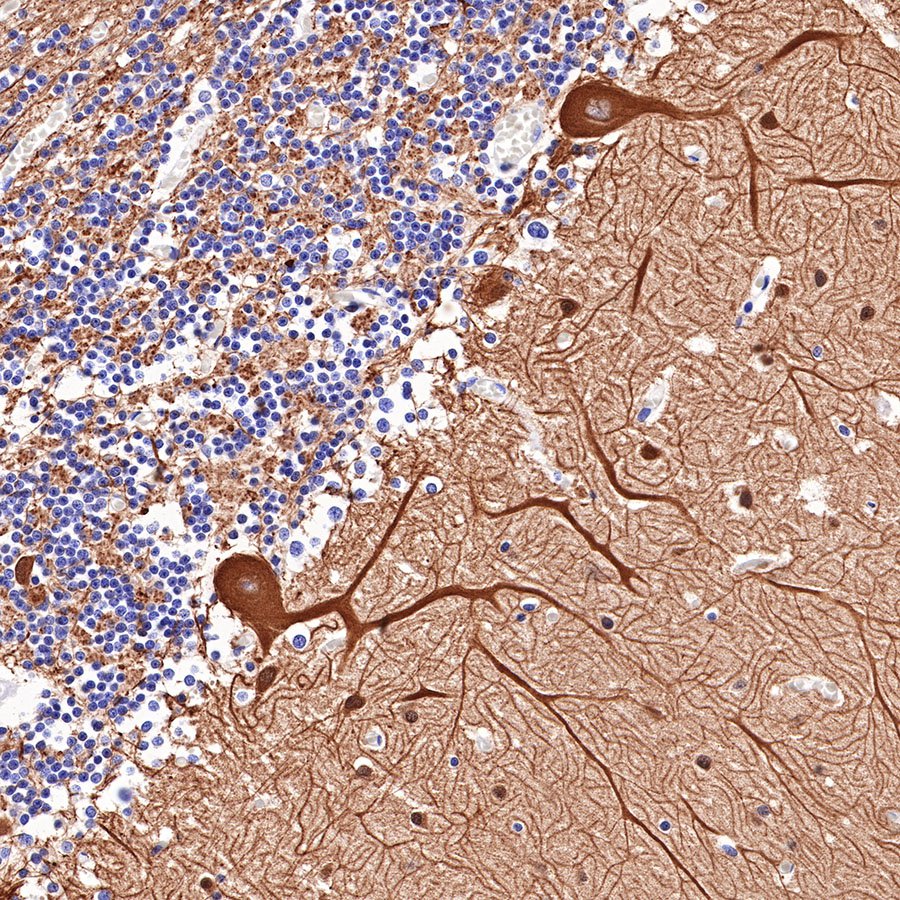
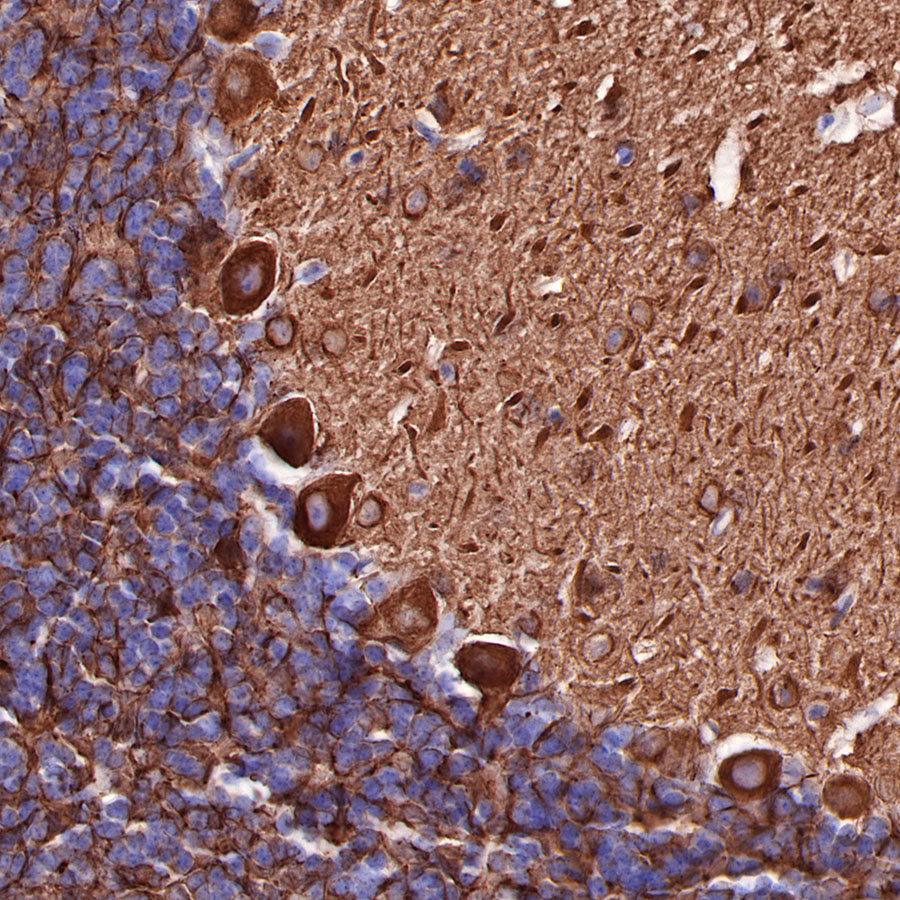
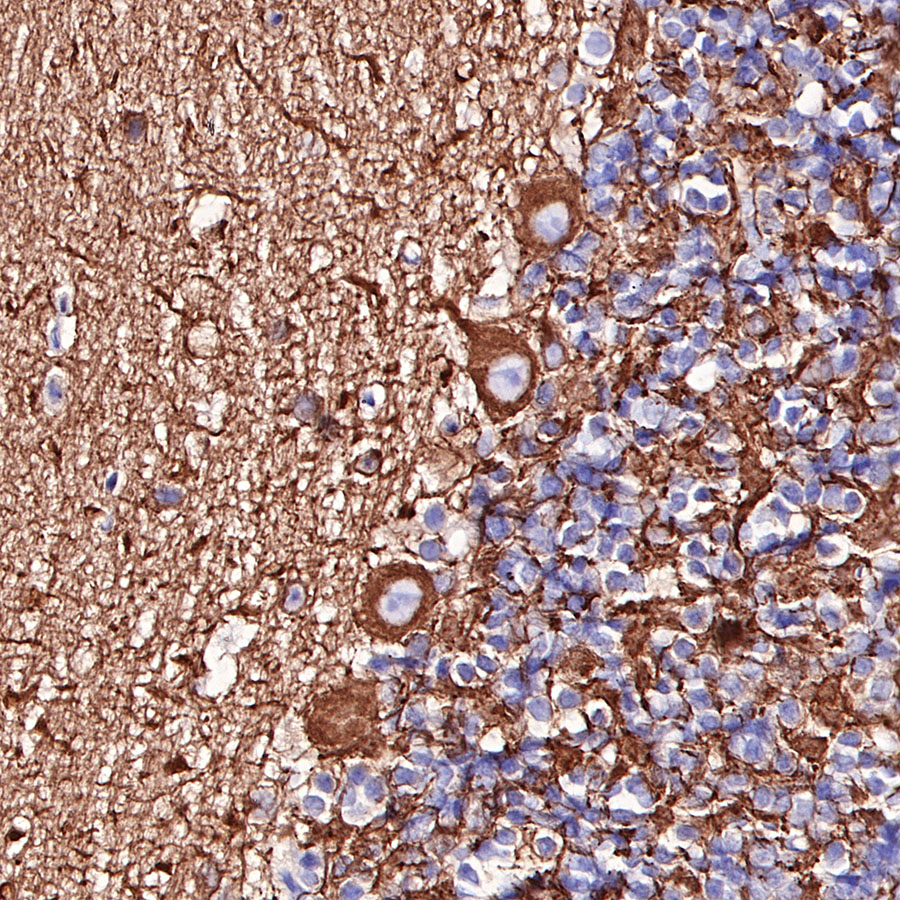
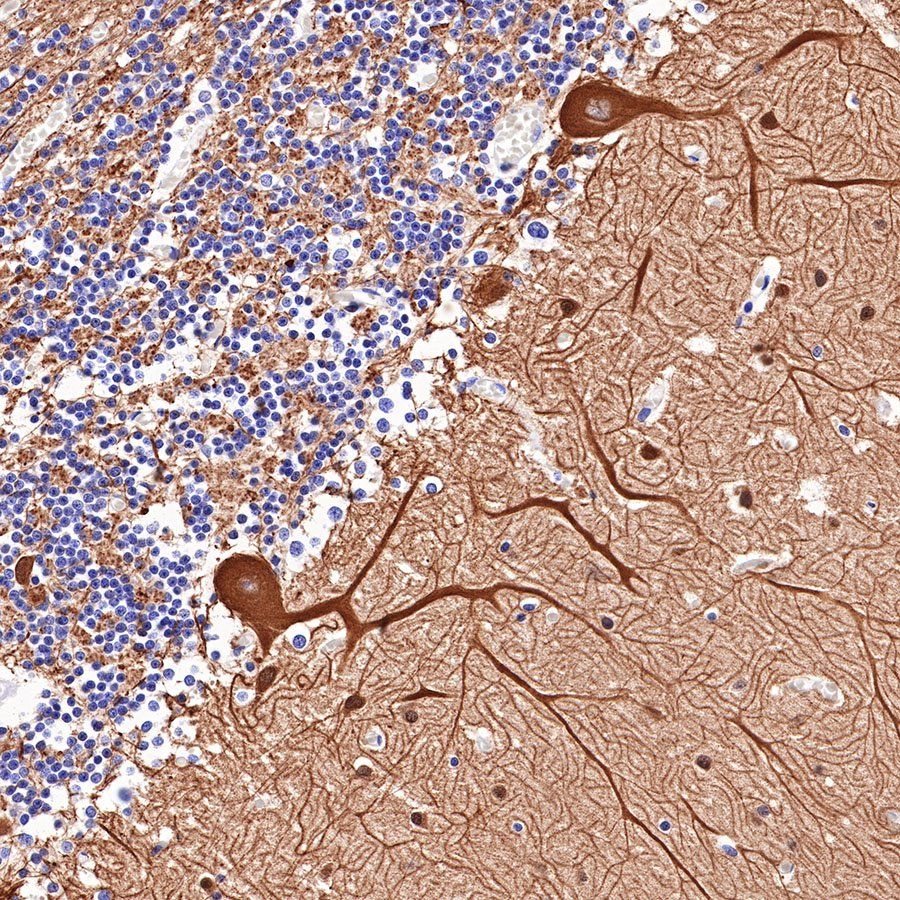
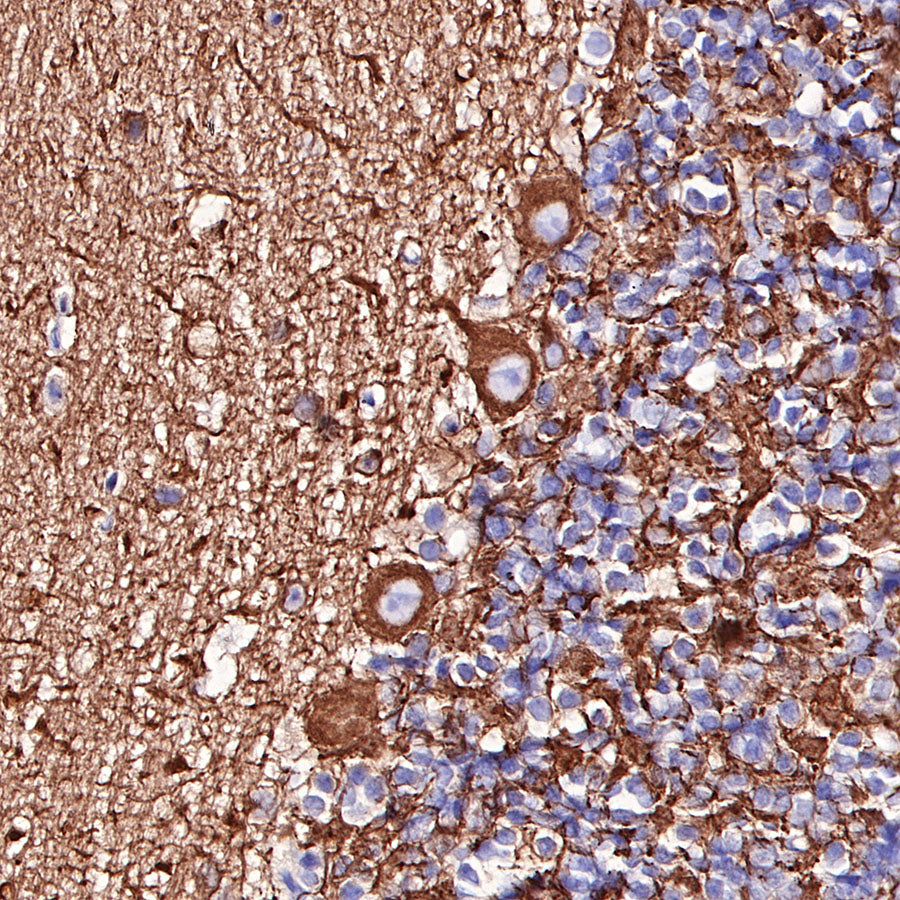
IHC shows positive staining in paraffin-embedded human cerebellum. Anti-Beta III tubulin antibody was used at 1/200 dilution, followed by a HRP Polymer for Mouse & Rabbit IgG (ready to use). Counterstained with hematoxylin. Heat mediated antigen retrieval with Tris/EDTA buffer pH9.0 was performed before commencing with IHC staining protocol.
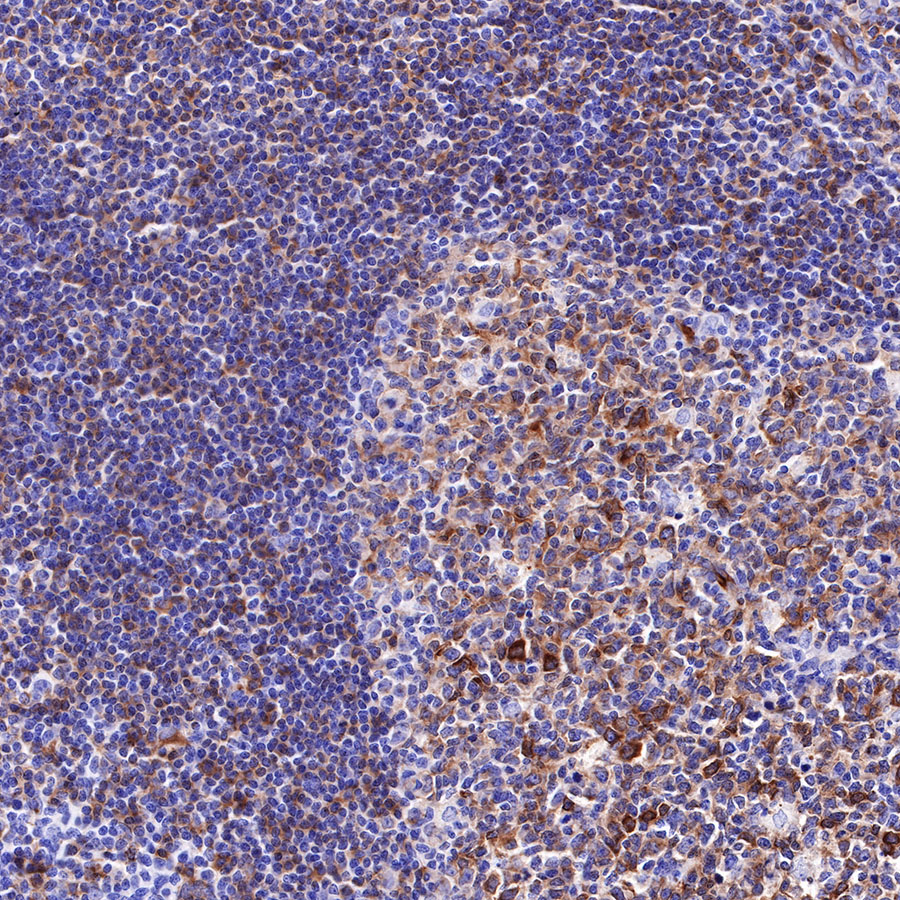
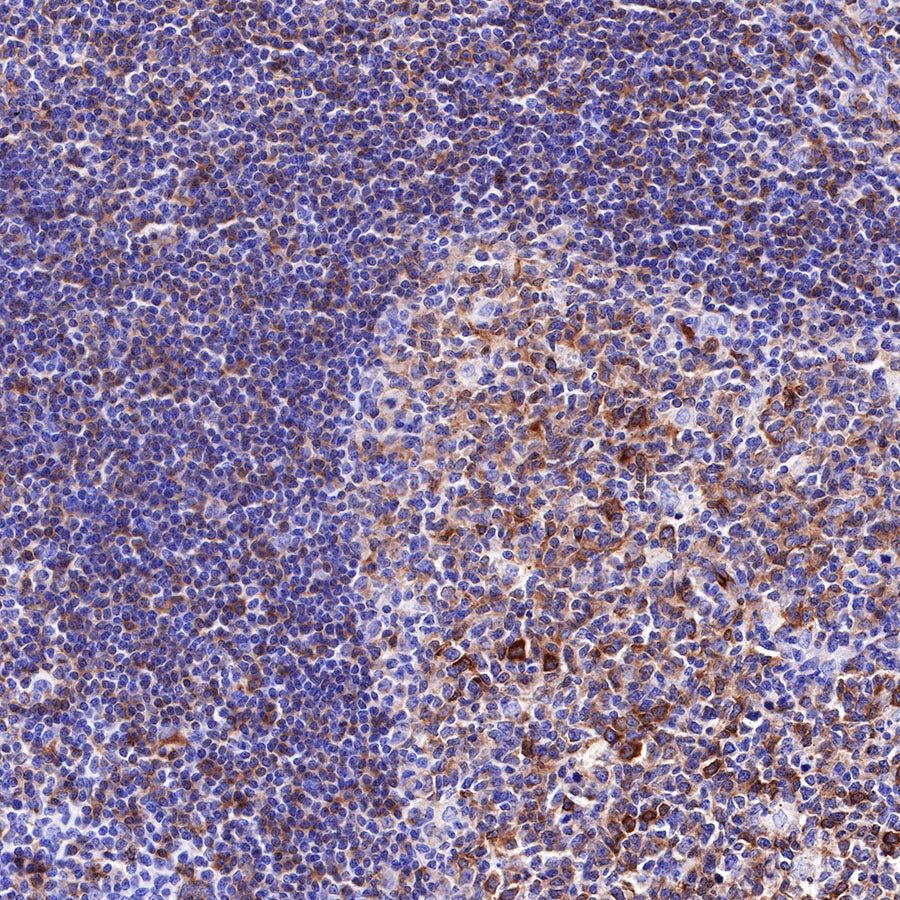
IHC shows positive staining in paraffin-embedded human tonsil. Anti-Beta III tubulin antibody was used at 1/200 dilution, followed by a HRP Polymer for Mouse & Rabbit IgG (ready to use). Counterstained with hematoxylin. Heat mediated antigen retrieval with Tris/EDTA buffer pH9.0 was performed before commencing with IHC staining protocol.
IHC shows positive staining in paraffin-embedded mouse cerebellum. Anti-Beta III tubulin antibody was used at 1/200 dilution, followed by a HRP Polymer for Mouse & Rabbit IgG (ready to use). Counterstained with hematoxylin. Heat mediated antigen retrieval with Tris/EDTA buffer pH9.0 was performed before commencing with IHC staining protocol.
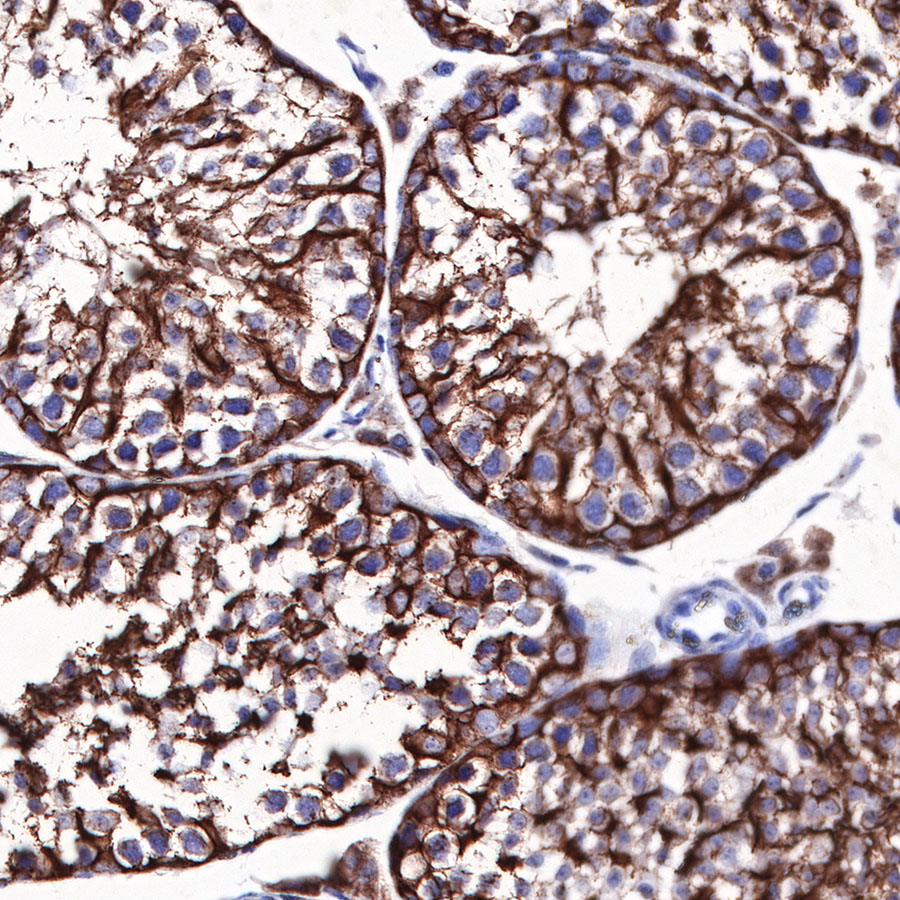
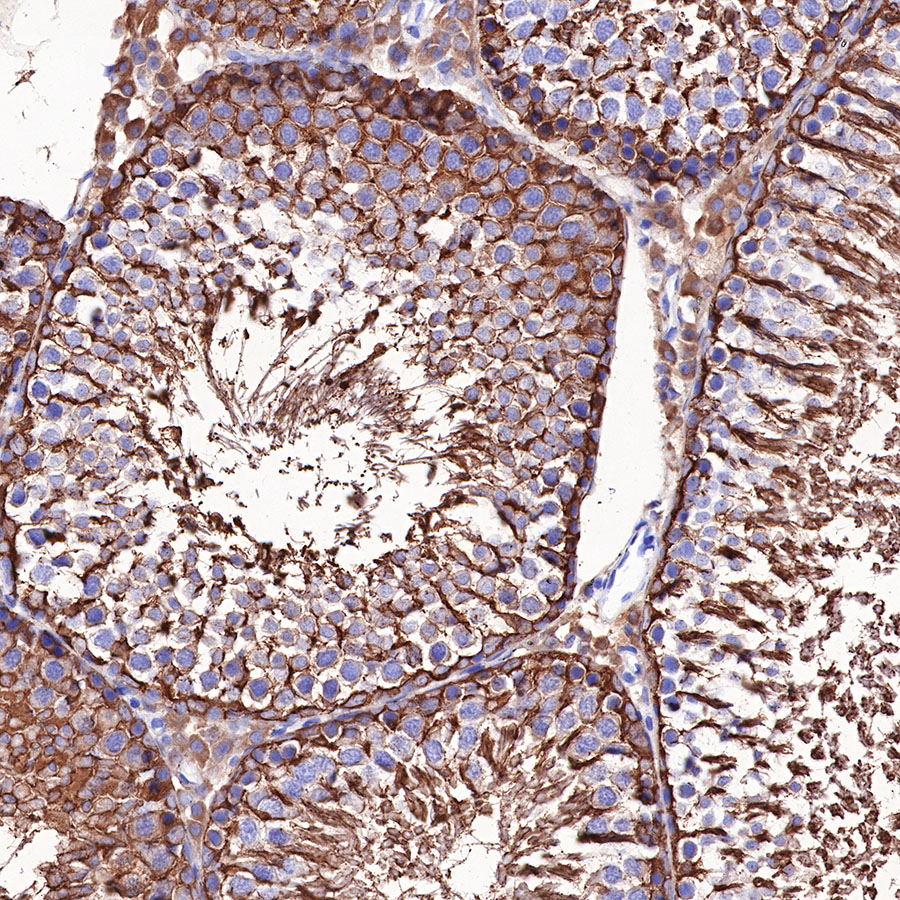
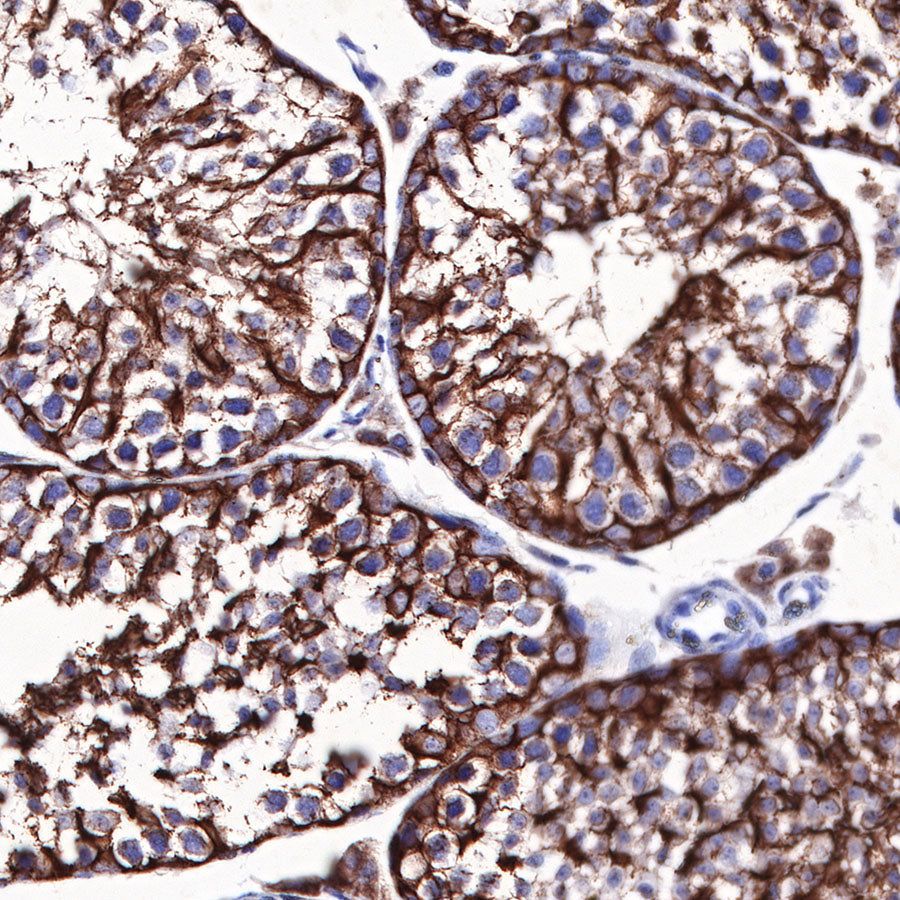
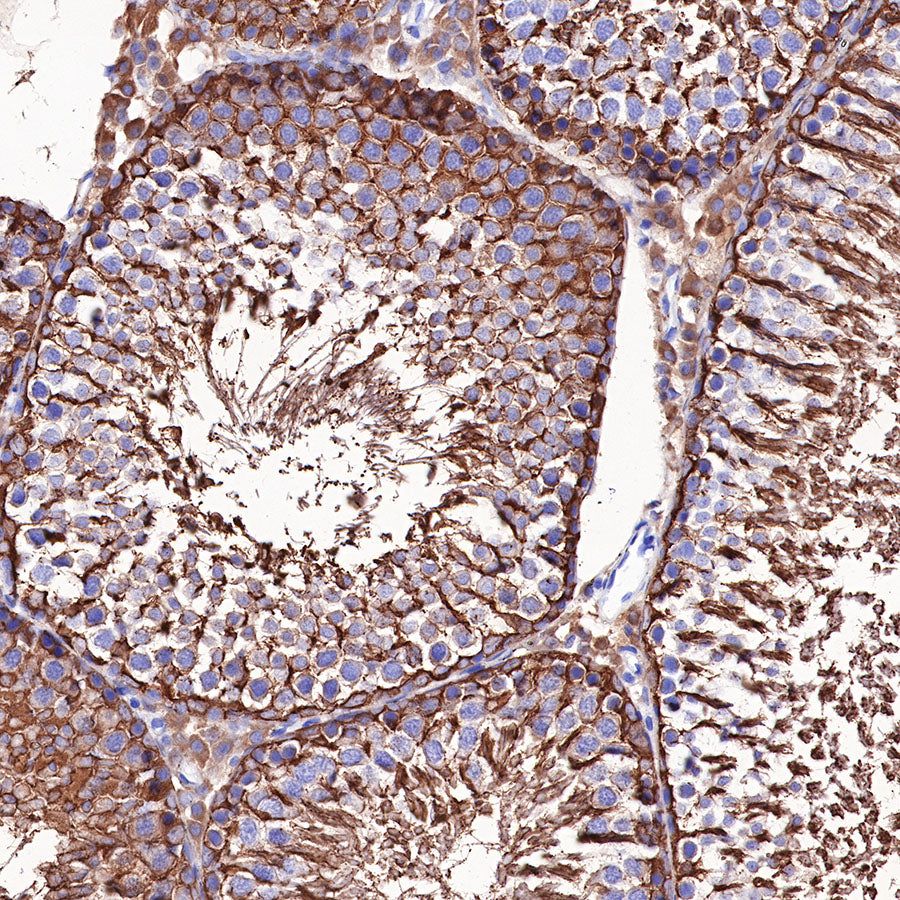
IHC shows positive staining in paraffin-embedded mouse testis. Anti-Beta III tubulin antibody was used at 1/200 dilution, followed by a HRP Polymer for Mouse & Rabbit IgG (ready to use). Counterstained with hematoxylin. Heat mediated antigen retrieval with Tris/EDTA buffer pH9.0 was performed before commencing with IHC staining protocol.
IHC shows positive staining in paraffin-embedded rat cerebellum. Anti-Beta III tubulin antibody was used at 1/200 dilution, followed by a HRP Polymer for Mouse & Rabbit IgG (ready to use). Counterstained with hematoxylin. Heat mediated antigen retrieval with Tris/EDTA buffer pH9.0 was performed before commencing with IHC staining protocol.
IHC shows positive staining in paraffin-embedded rat testis. Anti-Beta III tubulin antibody was used at 1/200 dilution, followed by a HRP Polymer for Mouse & Rabbit IgG (ready to use). Counterstained with hematoxylin. Heat mediated antigen retrieval with Tris/EDTA buffer pH9.0 was performed before commencing with IHC staining protocol.

Immunocytochemistry

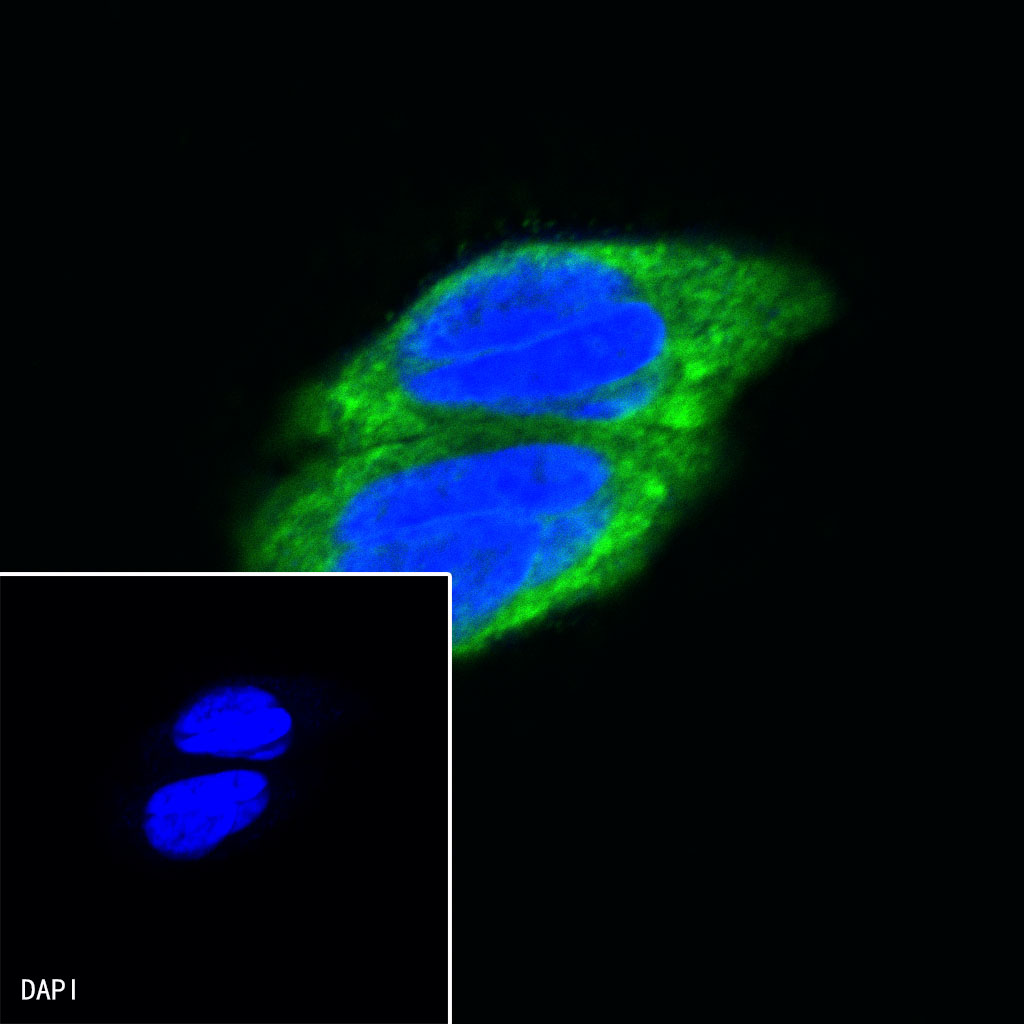
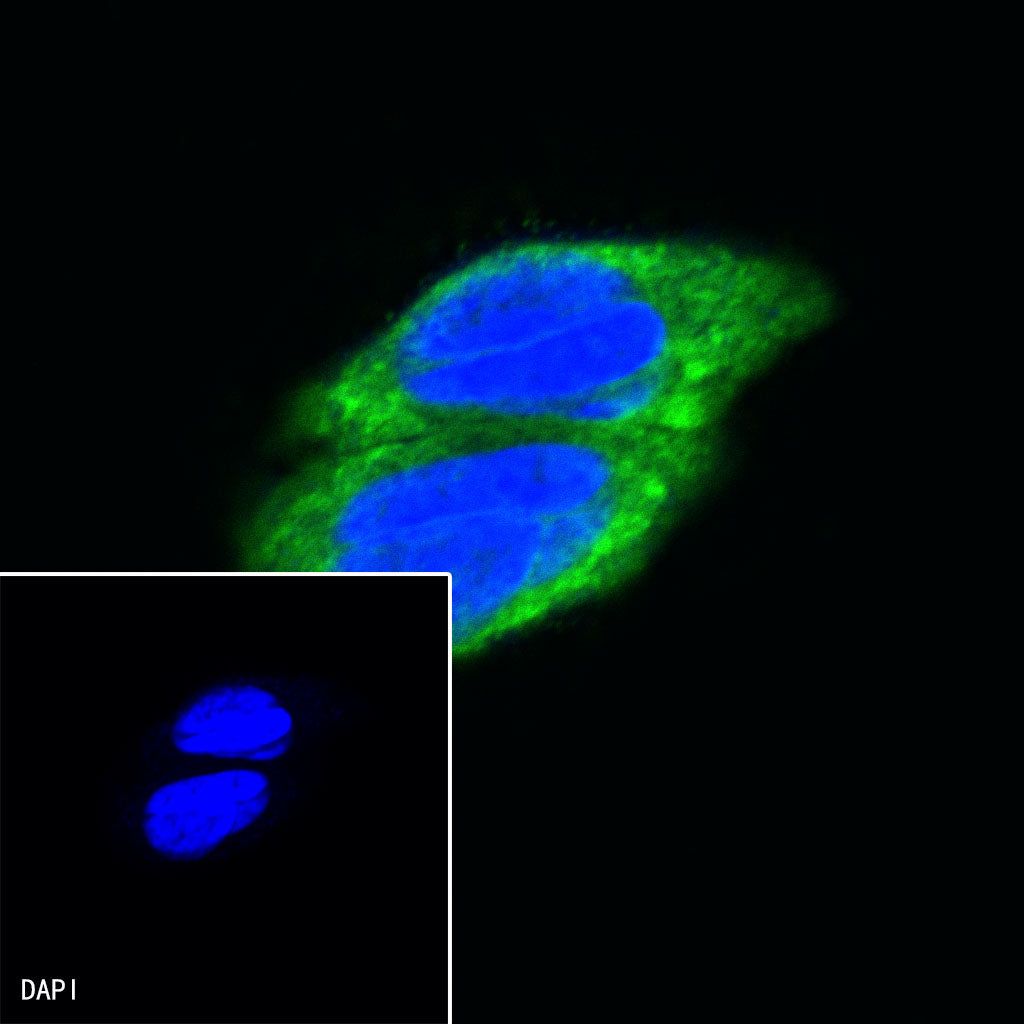
ICC shows positive staining in SH-SY5Y cells. Anti-Beta III tubulin antibody was used at 1/50 dilution (Green) and incubated overnight at 4°C. Goat polyclonal Antibody to Rabbit IgG - H&L (Alexa Fluor® 488) was used as secondary antibody at 1/1000 dilution. The cells were fixed with 100% ice-cold methanol and permeabilized with 0.1% PBS-Triton X-100. Nuclei were counterstained with DAPI (Blue).