ANGPTL3 Recombinant Rabbit mAb (SDT-425-5)
ANGPTL3 Recombinant Rabbit mAb (SDT-425-5)

Product Details
Product Details
Product Specification
| Host | Rabbit |
| Immunogen | Recombinant Protein |
| Accession | Q9Y5C1 |
| Clone Number | SDT-425-5 |
| Antibody Type | Recombinant mAb |
| Isotype | IgG |
| Application | Sandwich ELISA |
| Reactivity | Hu |
| Purification | Protein A |
| Concentration | 2 mg/ml |
| Purity | >95% by HPLC |
| Conjugation | Unconjugated |
| Physical Appearance | Liquid |
| Storage Buffer | PBS pH7.4, 0.03% Proclin 300 |
| Stability & Storage | 12 months from date of receipt / reconstitution, 2 to 8 °C as supplied |
Dilution
| application | dilution | species |
| Sandwich ELISA | N/A |
Background
One of the posttranslational regulators of LPL activity is angiopoietin-like protein 3 (ANGPTL3), which belongs to a family of eight secreted proteins. ANGPTL3 is secreted from the liver. Because the adult liver expresses little to no LPL, it is presumed that ANGPTL3 functions as a circulating inhibitor of LPL. ANGPTL3 inhibits LPL activity in vitro and in vivo, and mice deficient in Angptl3 have increased LPL activity and low plasma TG levels. ANGPTL3 inhibits LPL activity by inducing a conformational change in LPL, resulting in increased susceptibility to cleavage by proprotein convertases, dissociation of LPL from the cell surface, and inhibition of its catalytic activity. In addition to inhibiting LPL, ANGPTL3 also inhibits the activity of endothelial lipase, which hydrolyzes HDL phospholipids. The role of ANGPTL3 in lipoprotein metabolism, and the genetic association between naturally occurring ANGPTL3 loss-of-function mutations and CHD has been studied more and more. In light of the favorable consequences of ANGPTL3 deficiency, various therapeutic strategies to target ANGPTL3 are currently in development, including a monoclonal antibody, an antisense oligonucleotide, and gene editing.
Picture
Picture
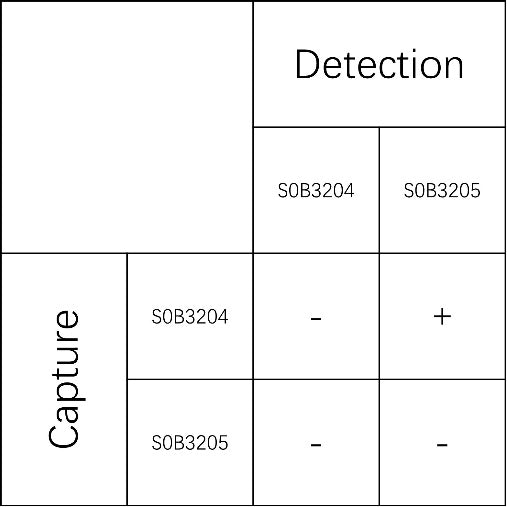
Paired Recommendations