TNF alpha Recombinant Rabbit mAb (SDT-127-222)
TNF alpha Recombinant Rabbit mAb (SDT-127-222)

Product Details
Product Details
Product Specification
| Host | Rabbit |
| Antigen | TNF alpha |
| Synonyms | Tumor necrosis factor; Cachectin; Tumor necrosis factor ligand superfamily member 2 (TNF-a); TNFA; TNFSF2 |
| Immunogen | Recombinant Protein |
| Location | Secreted |
| Accession | P01375 |
| Clone Number | SDT-127-222 |
| Antibody Type | Recombinant mAb |
| Isotype | IgG |
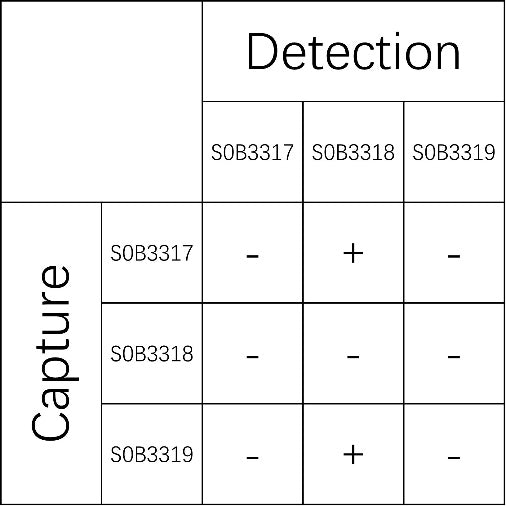
| Application | Sandwich ELISA |
| Reactivity | Hu |
| Cross Reactivity | Does not recognize CD40, TNF-beta |
| Purification | Protein A |
| Concentration | 2 mg/ml |
| Purity | >95% by HPLC |
| Conjugation | Unconjugated |
| Physical Appearance | Liquid |
| Storage Buffer | PBS pH7.4, 0.03% Proclin 300 |
| Stability & Storage | 12 months from date of receipt / reconstitution, 2 to 8 °C as supplied |
Background
Tumor Necrosis Factor-alpha (TNF-α) is a homotrimeric protein consisting of 157 amino acids and serves as a potent pro-inflammatory cytokine. It plays a crucial role in various biological functions, including immune responses, inflammatory processes, cell growth, and apoptosis, by binding to its receptors TNFR1 and TNFR2. The dysregulation of TNF-α is associated with a multitude of diseases, such as autoimmune diseases, insulin resistance, psoriasis, rheumatoid arthritis, ankylosing spondylitis, tuberculosis, autosomal dominant polycystic kidney disease, and cancer. In the treatment of autoimmune diseases, TNF-α inhibitors have become an essential therapeutic strategy, with examples including infliximab, etanercept, and adalimumab. In the context of in vitro diagnostic (IVD) applications, TNF-α is often measured in the blood to assess inflammatory responses across a broad spectrum of diseases.
Picture
Picture
Paired Recommendations