IL-23 Recombinant Rabbit mAb (SDT-1563-91)
IL-23 Recombinant Rabbit mAb (SDT-1563-91)

Product Details
Product Details
Product Specification
| Host | Rabbit |
| Antigen | IL-23 subunit alpha; IL-23-A |
| Synonyms | Interleukin-23 subunit p19 (IL-23p19) |
| Immunogen | Recombinant Protein |
| Accession | Q9NPF7 |
| Clone Number | SDT-1563-91 |
| Antibody Type | Recombinant mAb |
| Isotype | IgG |
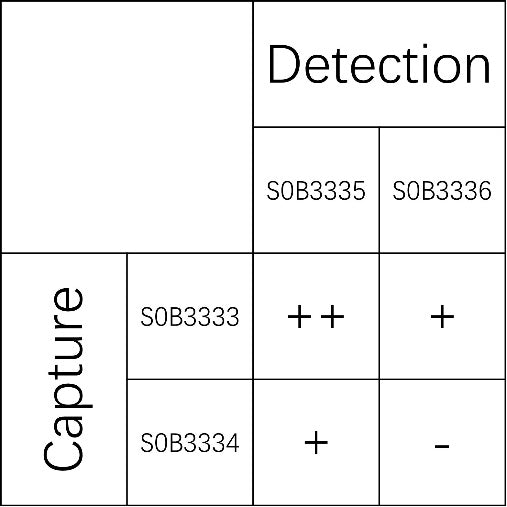
| Application | Sandwich ELISA |
| Reactivity | Hu |
| Cross Reactivity | Doesn’t react with IL-12, IL-12 subunit p40, only recognize IL-23A/IL-23. |
| Purification | Protein A |
| Concentration | 2 mg/ml |
| Purity | >95% by HPLC |
| Conjugation | Unconjugated |
| Physical Appearance | Liquid |
| Storage Buffer | PBS pH7.4, 0.03% Proclin 300 |
| Stability & Storage | 12 months from date of receipt, 2 to 8 °C as supplied |
Background
Interleukin 23 (IL-23) is a heterodimeric cytokine composed of an IL-12B (IL-12p40) subunit (which is shared with IL-12) and an IL-23A (IL-23p19) subunit. IL-23 is part of the IL-12 family of cytokines. IL-23 is mainly secreted by activated dendritic cells, macrophages or monocytes. Innate lymphoid cells and γδ T cells also produce IL-23. B cells produce IL-23 through B cell antigen receptor signaling. Secretion is stimulated by an antigen stimulus recognized by a pattern recognition receptor. IL-23 imbalance and increase is associated with autoimmune diseases and cancer. It is thus a target for therapeutic research. IL-23 expression by dendritic cells is further induced by thymic stromal lymphopoietin, a proallergic cytokine expressed by keratinocytes that is elevated in psoriatic lesions. In the pathogenesis of psoriasis, dermal dendritic cells are stimulated to release IL-23 by nociceptive neurons. IL-23 is also elevated during bacterial meningitis, leading to epithelial dysregulation and inflammation.
Picture
Picture
Paired Recommendations