IGF-1 Recombinant Rabbit mAb (SDT-598-309)
IGF-1 Recombinant Rabbit mAb (SDT-598-309)

Product Details
Product Details
Product Specification
| Host | Rabbit |
| Antigen | IGF-1 |
| Synonyms | Insulin-like growth factor I (IGF-I); Mechano growth factor (MGF); Somatomedin-C |
| Immunogen | Recombinant Protein |
| Accession | P05019 |
| Clone Number | SDT-598-309 |
| Antibody Type | Recombinant mAb |
| Isotype | IgG |
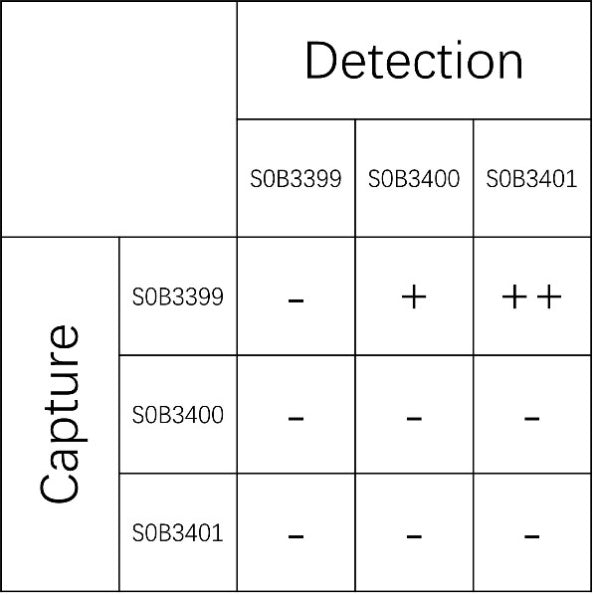
| Application | CLIA, Sandwich ELISA |
| Reactivity | Hu, Ms, Rt |
| Predicted Reactivity | Bv |
| Cross Reactivity | No cross reactivity against IGFBP3, insulin, IGF-2, GH |
| Purification | Protein A |
| Concentration | 2 mg/ml |
| Purity | >95% by HPLC |
| Conjugation | Unconjugated |
| Physical Appearance | Liquid |
| Storage Buffer | PBS pH7.4, 0.03% Proclin 300 |
| Stability & Storage | 12 months from date of receipt, 2 to 8 °C as supplied |
Background
Insulin-like growth factor 1 (IGF-1), also known as somatomedin C, is a peptide hormone composed of 70 amino acids with a molecular weight of approximately 7.6 kDa. It is primarily produced by the liver and regulated by growth hormone (GH), acting as the main mediator of GH's growth-promoting effects. IGF-1 circulates in the blood, bound to binding proteins that modulate its availability to tissues. It plays a crucial role in promoting cell growth, differentiation, and protein synthesis in various tissues, including muscle, bone, and cartilage. Additionally, IGF-1 has significant effects on brain development and is involved in the regulation of metabolism. Its levels can be used to assess GH status in medical contexts. IGF-1 is a versatile biomarker for diagnosing, monitoring, and managing endocrine (Growth Hormone Disorders), metabolic, oncological, cardiovascular, and neurological conditions. Its clinical application requires careful interpretation in context with patient-specific factors.
Picture
Picture
Paired Recommendations