hCG alpha Recombinant Rabbit mAb (SDT-3060-8)
hCG alpha Recombinant Rabbit mAb (SDT-3060-8)

Product Details
Product Details
Product Specification
| Host | Rabbit |
| Antigen | hCG alpha |
| Synonyms | Glycoprotein hormones alpha chain; Anterior pituitary glycoprotein hormones common subunit alpha; Choriogonadotropin alpha chain; Chorionic gonadotrophin subunit alpha (CG-alpha); Follicle-stimulating hormone alpha chain (FSH-alpha); Follitropin alpha chain; CGA |
| Immunogen | Recombinant Protein |
| Accession | P01215 |
| Clone Number | SDT-3060-8 |
| Antibody Type | Recombinant mAb |
| Isotype | IgG |
| Application | CLIA, Sandwich ELISA |
| Reactivity | Hu |
| Purification | Protein A |
| Concentration | 2 mg/ml |
| Purity | >95% by SEC-HPLC |
| Conjugation | Unconjugated |
| Physical Appearance | Liquid |
| Storage Buffer | PBS pH7.4, 0.03% Proclin 300 |
| Stability & Storage | 12 months from date of receipt, 2 to 8 °C as supplied |
Background
The term "hCG alpha protein" technically refers to the alpha subunit of human chorionic gonadotropin (hCG), a glycoprotein hormone that is structurally identical to the alpha subunits found in other pituitary hormones such as luteinizing hormone (LH), follicle-stimulating hormone (FSH), and thyroid-stimulating hormone (TSH).
Human Chorionic Gonadotropin (hCG) is a vital hormone produced primarily during pregnancy. Secreted by the placenta shortly after implantation, hCG plays a crucial role in maintaining the corpus luteum, which ensures continued production of progesterone to support the early stages of gestation. This hormone is the biological marker detected by most home pregnancy tests and blood assays, often appearing in urine within days of conception. Beyond its reproductive function, hCG has significant clinical applications. It is frequently used in fertility treatments to trigger ovulation in women and stimulate testosterone production in men with hypogonadism. Additionally, synthetic hCG is sometimes incorporated into controversial weight-loss protocols, although major health organizations like the FDA warn against such uses due to a lack of scientific evidence supporting its efficacy for fat reduction. Abnormal levels of hCG can indicate various medical conditions. While elevated levels are normal in healthy pregnancies, unusually high concentrations might suggest multiple gestations or molar pregnancies. Conversely, low levels could signal potential miscarriage or ectopic pregnancy. Furthermore, certain tumors, including some testicular and ovarian cancers, can secrete hCG, making it a valuable tumor marker for diagnosis and monitoring treatment response. Understanding hCG dynamics is therefore essential for obstetric care, reproductive medicine, and oncology.
Picture
Picture
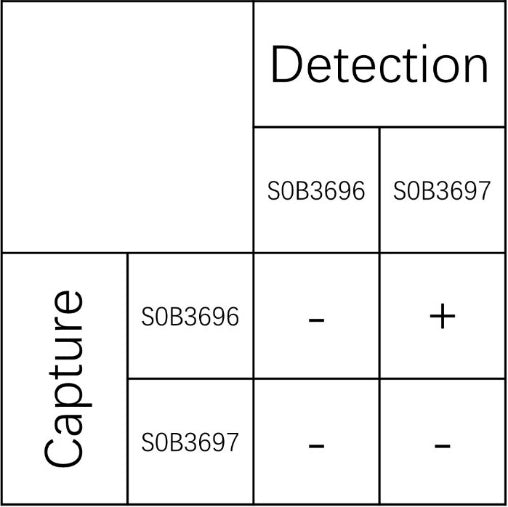
Paired Recommendations