2μg (R: reducing condition, N:non-reducing condition).
Biotinylated CD19 His&Avi Tag Protein, Human
Biotinylated CD19 His&Avi Tag Protein, Human
Price:
Regular price
$430 USD
Regular price
Sale price
$430 USD
Unit price
per
For shipping services or bulk orders, you may request a quotation.
Secure checkout with

View full details
Product Details
Product Details
Product Specification
| Species | Human |
| Synonyms | B4, CVID3, MGC12802 |
| Accession | P15391-1 |
| Amino Acid Sequence | Pro20-Lys291 with His&Avi Tag at the C-Terminus |
| Expression System | HEK293 |
| Molecular Weight | 50-70kDa (Reducing) |
| Purity | >95% by SDS-PAGE |
| Endotoxin | <1EU/μg |
| Conjugation | Biotin |
| Tag | Avi Tag, His Tag |
| Physical Appearance | Lyophilized Powder |
| Storage Buffer | PBS, pH7.4, 5% trehalose |
| Reconstitution | Reconstitute at 0.1-1 mg/ml according to the size in ultrapure water after rapid centrifugation. |
| Stability & Storage |
· 12 months from date of receipt, lyophilized powder stored at -20 to -80℃. · 3 months, -20 to -80℃ under sterile conditions after reconstitution. · 1 week, 2 to 8℃ under sterile conditions after reconstitution. · Please avoid repeated freeze-thaw cycles. |
| Reference | 1. MÜLLER F, ATREYA R, VÖLKL S, et al. CD19 CAR T-cell therapy in multidrug-resistant ulcerative colitis[J]. New England Journal of Medicine, 2025, 393(12): 1239-1241. |
Background
CD19, also known as B-lymphocyte antigen CD19 or B4, is a type I transmembrane glycoprotein belonging to the immunoglobulin superfamily. Its structure comprises an extracellular region containing two immunoglobulin-like domains (one V-type and one C2-type), a transmembrane domain, and a cytoplasmic tail harboring multiple tyrosine phosphorylation sites that interact with Src family kinases (such as Lyn and Fyn) and PI3K signaling molecules. CD19 is specifically expressed throughout the B-lymphocyte lineage, from the pre-B cell stage through mature B cells, though it is downregulated at the plasma cell stage, serving as a critical co-stimulatory molecule for B cell activation, proliferation, and differentiation. Functionally, CD19 lowers the signaling threshold of the B cell receptor (BCR), enhancing the sensitivity of B cell responses to antigens, while also participating in B cell development, antibody class switching, and germinal center reactions. In recent years, CD19 has emerged as one of the most successful targets in tumor immunotherapy, with chimeric antigen receptor T cell (CAR-T) therapy directed against CD19 achieving breakthrough efficacy in B cell acute lymphoblastic leukemia (B-ALL) and diffuse large B cell lymphoma (DLBCL), and further expanding into the treatment of autoimmune diseases such as systemic lupus erythematosus and ulcerative colitis, demonstrating broad clinical application prospects.
Picture
Picture
SDS-PAGE
ELISA
Immobilized Biotinylated CD19 His&Avi Tag Protein, Human (Cat. No. UA016135) at 1 μg/mL (100 μL/well) on Streptavidin (Cat. No. STN-N5116) precoated (0.5 μg/well) plate, can bind Anti-CD19 Reference Antibody (Denintuzumab) (Cat. No. UA011019) with a linear range of 0.58-0.69 ng/mL.
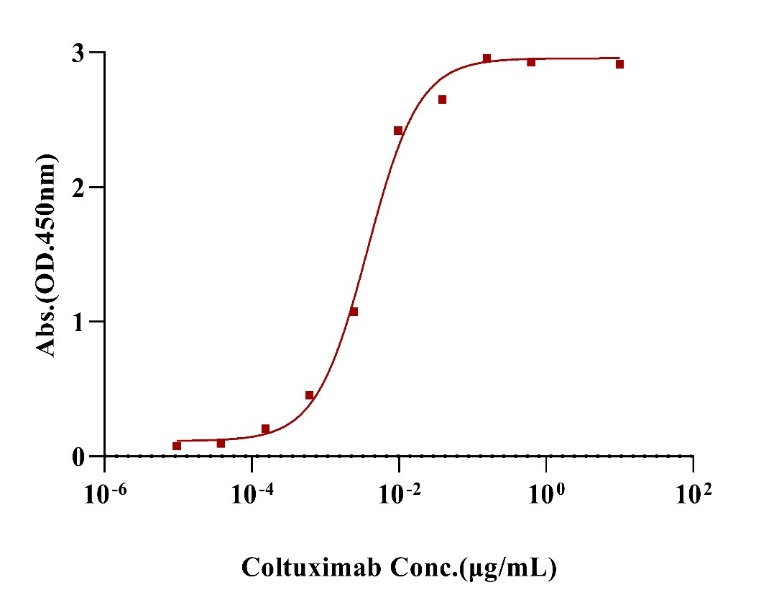
Immobilized Biotinylated CD19 His&Avi Tag Protein, Human (Cat. No. UA016135) at 1 μg/mL (100 μL/well) on Streptavidin (Cat. No. STN-N5116) precoated (0.5 μg/well) plate, can bind Anti-Human CD19 Monoclonal Antibody (Coltuximab) (Cat. No. S0B7124) with a linear range of 2.83-4.92 ng/mL.
SPR
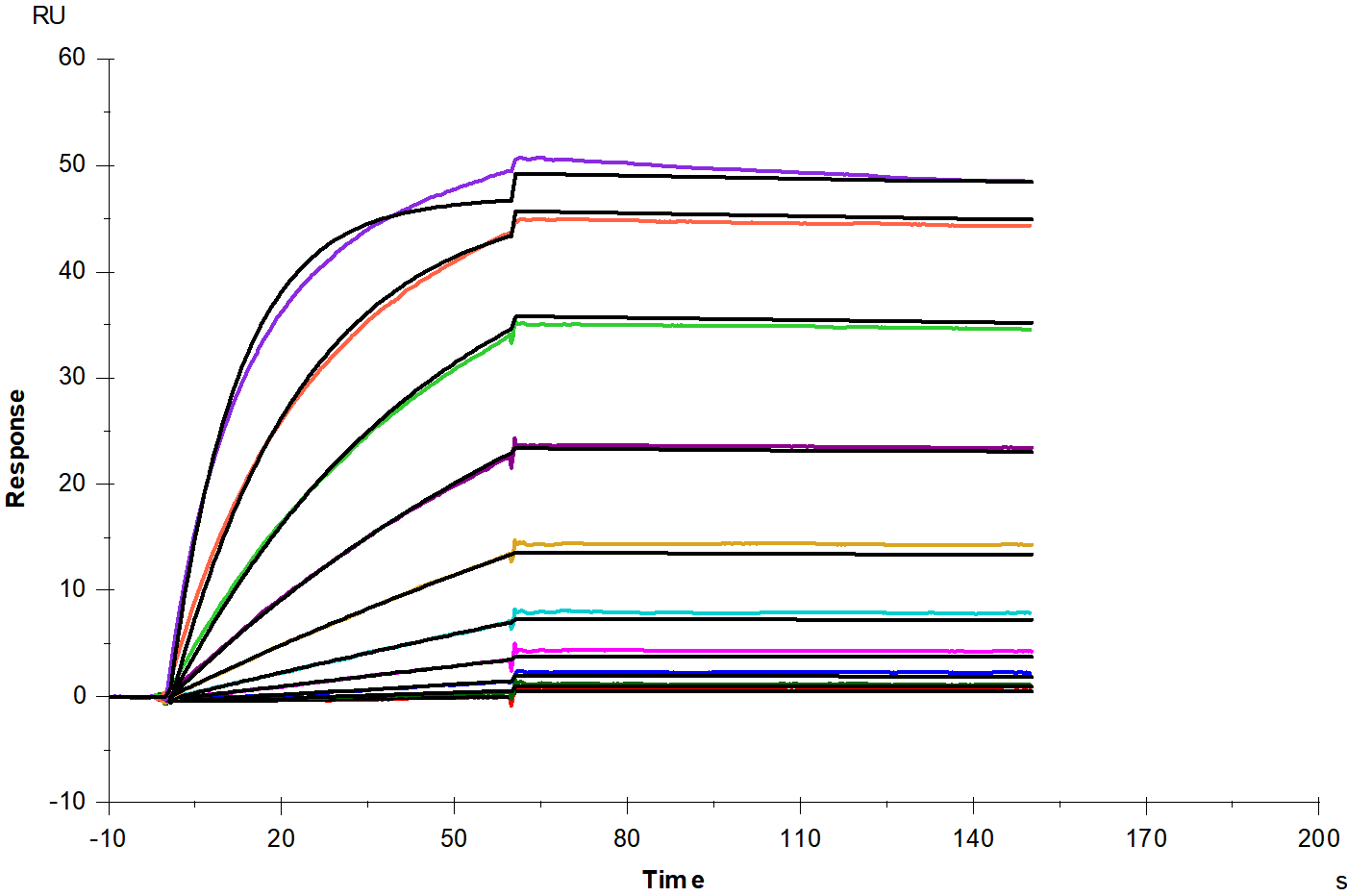
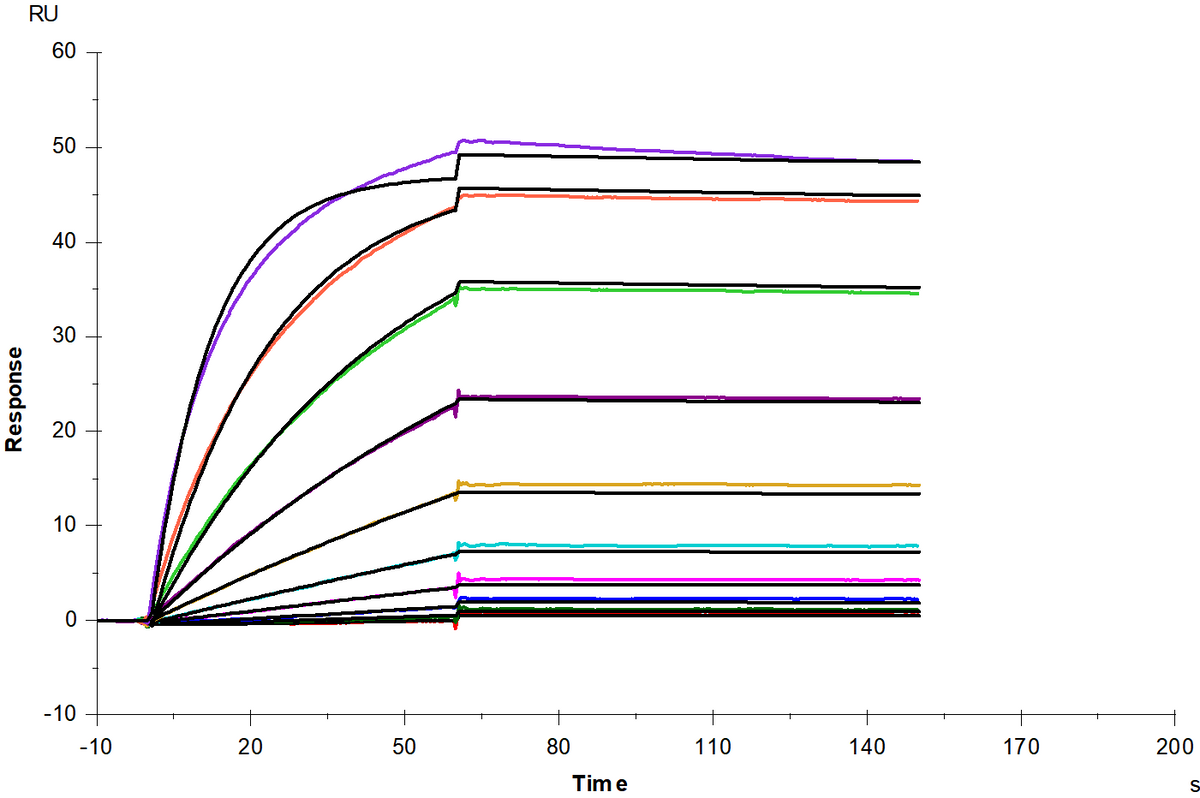
Biotinylated CD19 His&Avi Tag Protein, Human (Cat. No. UA016135) captured on Biotin CAP - Series S sensor Chip can bind FMC63 MAb (Cat. No. UA016023) with an affinity constant of 0.13 nM as determined in a SPR assay.