Amyloid beta (N-terminal) Mouse mAb (SDT-R457)
Amyloid beta (N-terminal) Mouse mAb (SDT-R457)

Product Details
Product Details
Product Specification
| Host | Mouse |
| Antigen | Amyloid beta (N-termianl) |
| Synonyms | Aβ |
| Accession | P05067 |
| Clone Number | SDT-R457 |
| Antibody Type | Mouse mAb |
| Isotype | IgG1,k |
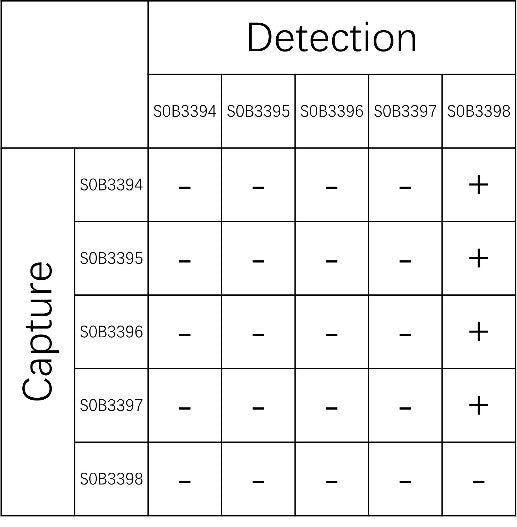
| Application | CLIA, Sandwich ELISA |
| Reactivity | Hu, Ms |
| Purification | Protein G |
| Concentration | 2 mg/ml |
| Conjugation | Unconjugated |
| Physical Appearance | Liquid |
| Storage Buffer | PBS pH7.4, 0.03% Proclin 300 |
| Stability & Storage | 12 months from date of receipt / reconstitution, 2 to 8 °C as supplied |
Background
Amyloid beta (Aβ) is a peptide consisting of 36 to 43 amino acids, primarily generated through the sequential cleavage of amyloid precursor protein (APP) by β- and γ-secretase. The most common forms of Aβ are Aβ40 and Aβ42, with Aβ42 being more closely associated with the pathology of Alzheimer's disease due to its stronger aggregation tendency. In the brains of Alzheimer's patients, Aβ gradually aggregates into oligomers, protofibrils, and eventually insoluble amyloid plaques, which trigger neuroinflammation, synaptic dysfunction, and neuronal death. The toxicity of Aβ arises not only from its fibrillar deposits but also from its soluble oligomers, which can disrupt neuronal signaling and damage cell membrane integrity. As a result, Aβ is considered a central factor in the pathogenesis of Alzheimer's disease and a key target for drug development.
Picture
Picture
Paired Recommendations