CXCL4/PF4 Recombinant Rabbit mAb (SDT-3467-32)
CXCL4/PF4 Recombinant Rabbit mAb (SDT-3467-32)

Product Details
Product Details
Product Specification
| Host | Rabbit |
| Antigen | PF4 |
| Synonyms | Platelet factor 4; PF-4; C-X-C motif chemokine 4; Iroplact; Oncostatin-A |
| Immunogen | Recombinant Protein |
| Accession | P02776 |
| Clone Number | SDT-3467-32 |
| Antibody Type | Recombinant mAb |
| Isotype | IgG |
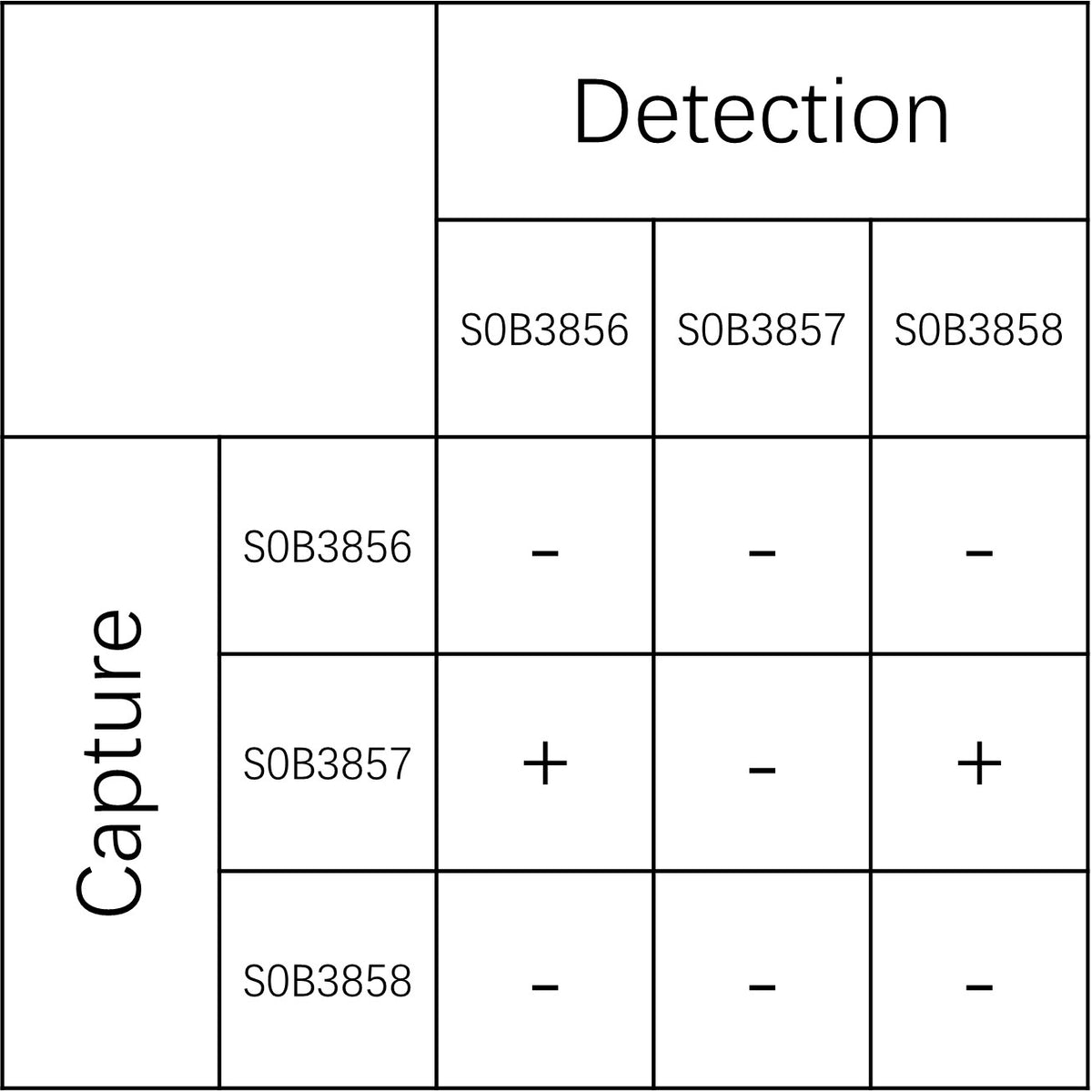
| Application | Sandwich ELISA |
| Reactivity | Hu |
| Cross Reactivity | No cross-reactivity against CXCL1 |
| Purification | Protein A |
| Concentration | 2 mg/ml |
| Conjugation | Unconjugated |
| Physical Appearance | Liquid |
| Storage Buffer | PBS pH7.4, 0.09% sodium azide |
| Stability & Storage | 12 months from date of receipt, 2 to 8 °C as supplied |
Background
CXCL4, also known as platelet factor 4 (PF4), is a CXC chemokine predominantly stored in platelet α‑granules and rapidly released upon platelet activation. Quantification of circulating CXCL4, mostly by immunoassay, reflects platelet degranulation and local inflammatory responses, conferring broad clinical detection value.
As a key mediator linking thrombosis, inflammation and immunity, CXCL4 drives endothelial dysfunction, promotes monocyte recruitment and foam‑cell formation, and modulates adaptive immune responses. Elevated CXCL4 levels are observed in a spectrum of thrombotic and cardiovascular diseases, including acute coronary syndrome, stroke and peripheral arterial disease, where it aids risk stratification beyond traditional lipid markers. It gains particular attention in immune‑mediated adverse events such as heparin‑induced thrombocytopenia (HIT); combined with anti‑PF4/heparin antibody assays, CXCL4 helps distinguish true HIT from non‑specific antibody positivity, improving diagnostic accuracy.
CXCL4 also correlates with disease activity in autoimmune disorders, chronic kidney injury and some malignancies. However, its specificity is limited, since any platelet‑activating event, including surgery, trauma and infection, can trigger its release. It is therefore not suitable as a single diagnostic biomarker and must be interpreted alongside clinical context and other laboratory indices. Further large‑scale prospective studies are needed to establish validated cut‑offs and standardised testing protocols. Collectively, CXCL4 measurement offers informative evidence for evaluating platelet activation status, stratifying thrombotic risk, assisting HIT confirmation and exploring potential therapeutic targets.
Picture
Picture
Paired Recommendations